
Tartaczna 2


 back
back
Irregular Periods Gdańsk – Menstrual Disorders
Missed periods, irregular cycles and abnormal bleeding – assessment and treatment
Irregular periods, missed periods, bleeding between periods or a noticeable change in your usual cycle deserve assessment. These changes do not always indicate a medical condition, but they should not automatically be attributed to stress or a “hormonal imbalance”.
At Tartaczna 2 Medical Centre in Gdańsk, menstrual disorders are assessed and treated by Dr Marek Korożan, Dr Dominika Kozikowska and Dr Volha Khitrun. Investigations are tailored to your symptoms, age, medicines and pregnancy plans.
What is a normal menstrual cycle?
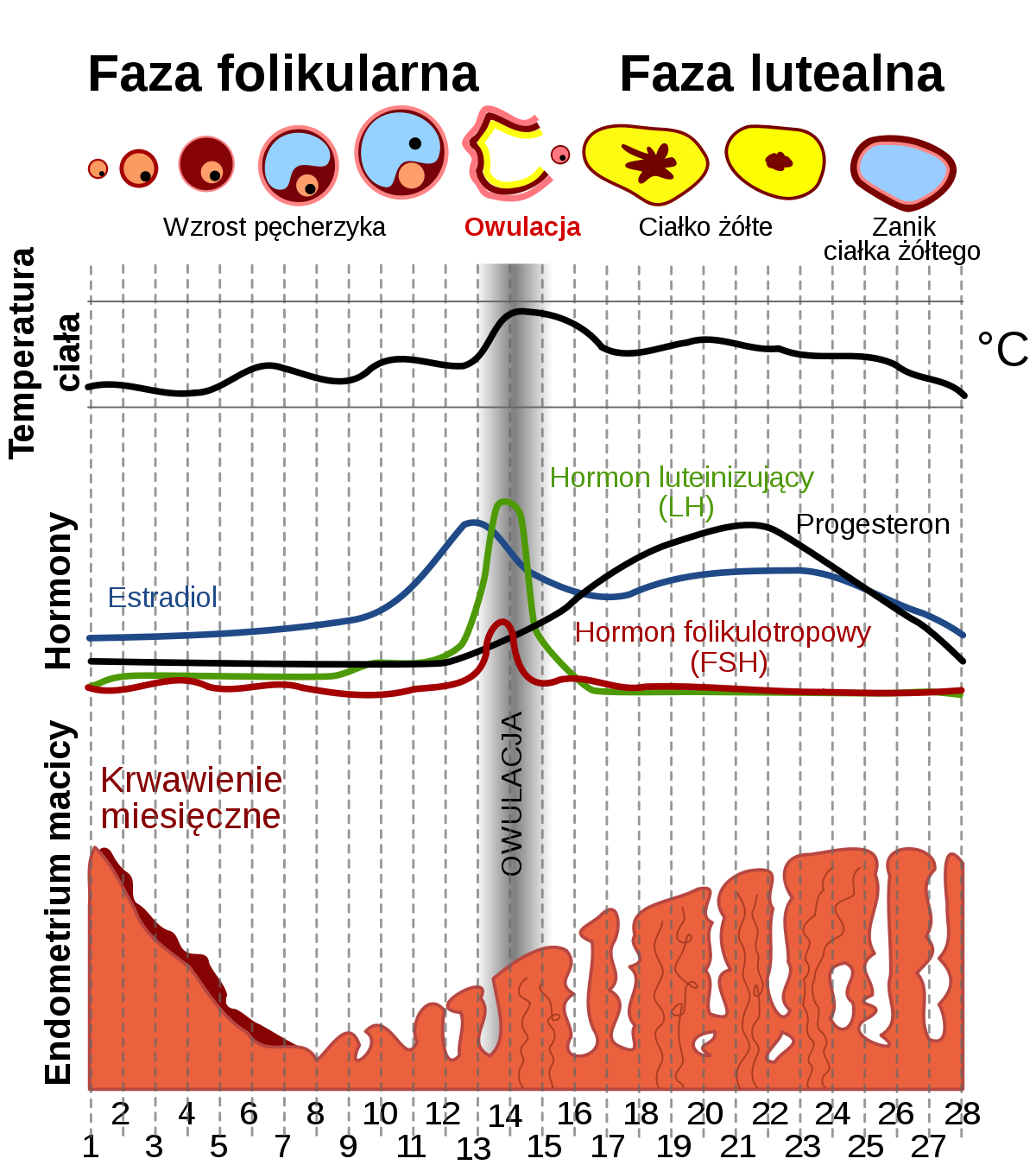
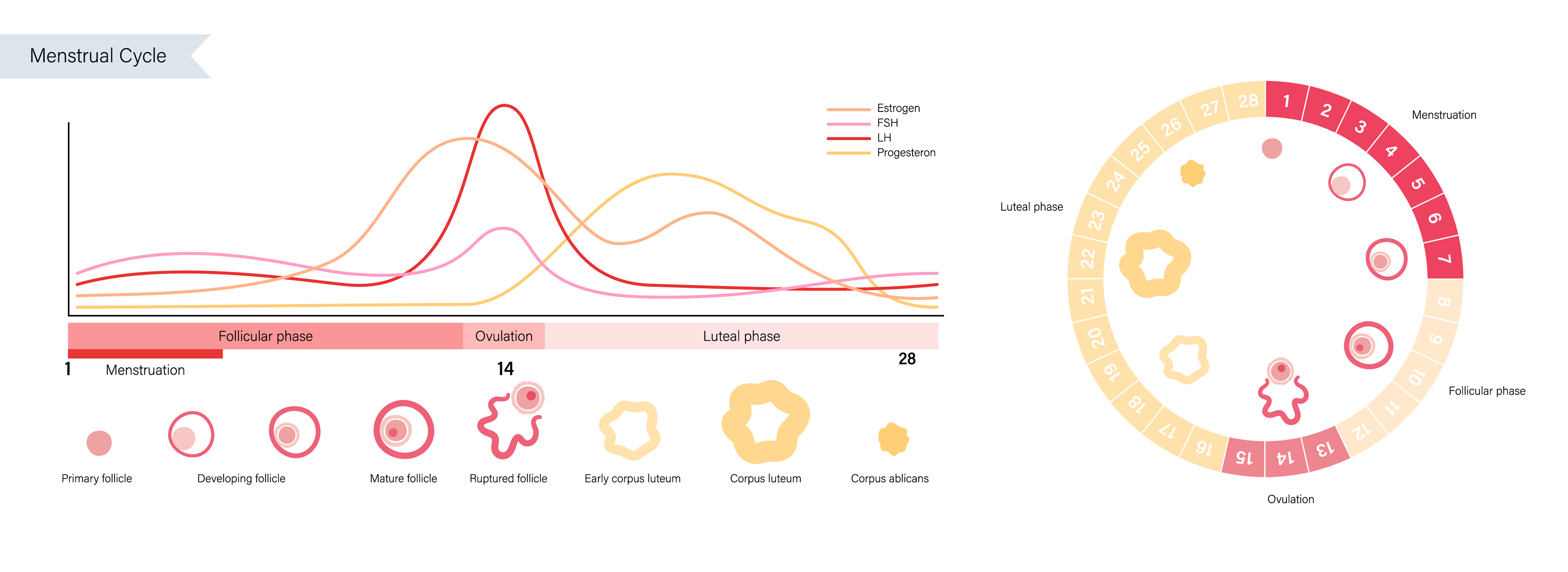
Your cycle is counted from the first day of one period to the first day of the next. For adult women with natural cycles who are not using hormonal contraception, the FIGO classification defines a typical cycle length as 24–38 days, with bleeding lasting no more than 8 days.
Your cycle does not need to last exactly 28 days. Small variations between months can occur, and the expected pattern also depends on your age and stage of life. The first few years of menstruation, breastfeeding and hormonal contraception require different considerations.
The amount of bleeding, pain and impact on daily life are also important. Regular bleeding does not exclude every gynaecological condition or guarantee that ovulation occurs in every cycle.
What symptoms can indicate a menstrual disorder?
- Irregular periods: noticeable differences in the length of successive cycles.
- Frequent or infrequent periods: repeatedly short or long intervals between periods.
- Absent periods: periods that have not started or have stopped after previously occurring.
- Heavy or prolonged bleeding.
- Bleeding or spotting between periods.
- A noticeable change in your usual menstrual pattern.
Severe period pain also needs attention, even if your cycles are regular. Bleeding after sex should be assessed separately, as it does not necessarily originate from the uterine cavity.
If your main concern is the amount of blood loss or large blood clots, an assessment for heavy menstrual bleeding can help guide appropriate investigations and treatment.
Missed periods: when should you see a gynaecologist?
If pregnancy is possible, the first step is to exclude it. A negative test taken too early may need to be repeated, or a blood hCG test may be appropriate, depending on the circumstances.
Investigations are needed if periods have been absent for more than 3 months after previously regular cycles, or for 6 months after previously irregular cycles. However, you do not need to wait this long if the change is sudden, you have other symptoms or you are planning a pregnancy.
An assessment is also recommended if the first period has not occurred by the age of 15. Concerns about pubertal development may require an earlier assessment.
What can cause irregular periods?
Ovulation disorders and hormonal conditions
Possible causes include polycystic ovary syndrome (PCOS), thyroid conditions, raised prolactin levels and premature ovarian insufficiency. These conditions cannot be diagnosed from an irregular cycle or a single hormone result alone.
Low energy availability, weight changes and stress
Taking in too little energy through food compared with your body's needs can disrupt ovulation. This can affect not only people who are underweight, but also those who train intensively or follow restrictive diets while maintaining a weight within the usual range.
Significant weight changes, stress and eating disorders can also affect the cycle. However, these should not be assumed to be the cause without considering other possibilities.
Uterine abnormalities and other gynaecological conditions
Polyps, fibroids and conditions affecting the endometrium can cause abnormal bleeding. Adenomyosis is often associated with pain and heavy periods. Severe pain, particularly during menstruation or sex, may justify investigations for endometriosis.
Contraception and other medicines
Hormonal contraception can reduce bleeding, cause spotting or lead to periods stopping. This does not always indicate a medical problem. The type of preparation, how long you have been using it and any missed or incorrectly taken doses are relevant.
Other medicines can also affect bleeding, including anticoagulants, while some medicines can raise prolactin levels. Do not stop treatment yourself; discuss it with your doctor.
Perimenopause
Cycles can become irregular in the years leading up to menopause. However, new or heavier bleeding should not be attributed to age alone.
Bleeding after the menopause is not a period. Any bleeding after at least 12 months without a natural period due to menopause requires gynaecological assessment.
How are menstrual disorders investigated?
The assessment starts with a discussion of your cycles, symptoms, medicines, physical activity and nutrition. Your doctor will also consider whether pregnancy is possible and whether a gynaecological examination is needed.
A gynaecological ultrasound scan helps assess the uterus, endometrium and ovaries. The examination method is selected according to your circumstances and consent.
Laboratory investigations depend on the type of problem:
- for absent periods, the initial assessment usually includes excluding pregnancy and measuring TSH, prolactin and FSH, often alongside oestradiol;
- if there are signs of androgen excess, your doctor may arrange additional hormonal investigations;
- for heavy bleeding, a full blood count and assessment of iron status may be needed.
Not all hormones should be measured on the same day. The timing and interpretation depend on your cycle and any treatment you are taking.
If tissue assessment is indicated, your doctor may consider an endometrial biopsy or hysteroscopy with a targeted biopsy. Hysteroscopy and laparoscopy are not routine investigations for everyone with irregular periods.
How are menstrual disorders treated?
Treatment depends on the cause and whether you are planning a pregnancy. Not every temporary change in your cycle requires medication.
- Treatment of an underlying condition: for example, thyroid dysfunction or hyperprolactinaemia.
- Appropriately selected hormonal treatment: this may control bleeding or protect the endometrium when ovulation is persistently irregular or absent.
- Improving energy availability: where energy intake is insufficient, changes to nutrition, reduced training demands and dietary or psychological support may be needed.
- Treatment for pain or heavy bleeding: selected according to symptoms, contraindications and reproductive plans.
- Procedures or surgery: in selected circumstances, such as polyps or fibroids that require removal.
Withdrawal bleeding during hormonal treatment does not demonstrate that natural ovulation has returned. With functional hypothalamic amenorrhoea associated with low energy availability, inducing bleeding alone does not address the underlying cause.
Supplements and herbal remedies do not replace investigations. Preparations should be selected for specific indications rather than used as a universal way to “balance hormones”.
Irregular periods and getting pregnant
Irregular cycles may mean that ovulation occurs less often or is absent, but they do not necessarily mean infertility. Ovulation can occur unpredictably, so irregular periods do not protect against pregnancy.
If you are planning a pregnancy, mention this during your consultation. With markedly irregular or absent periods, it is worth seeking assessment earlier rather than waiting for a year of unsuccessful attempts to conceive.
Can menstrual disorders affect your health?
The consequences depend on the cause. Heavy bleeding can lead to iron deficiency and anaemia. Prolonged oestrogen deficiency can adversely affect bone health.
Persistent cycles without ovulation, for example in PCOS, can increase the risk of endometrial hyperplasia in some patients. Your doctor may therefore recommend hormonal treatment to protect the womb lining.
This does not mean that every irregular period leads to a serious condition. The aim of the consultation is to identify problems that need treatment while avoiding unnecessary investigations.
When do you need urgent help?
Heavy bleeding accompanied by fainting, shortness of breath, chest pain or marked weakness requires urgent hospital assessment. In a medical emergency, call 112.
You should also seek prompt help if pregnancy is possible and you have abdominal pain, particularly one-sided pain, with bleeding or fainting. These symptoms require assessment to exclude conditions including an ectopic pregnancy.
How should you prepare for your appointment?
- Record the start dates of recent periods and how long the bleeding lasted.
- Note spotting, pain, blood clots and changes in the amount of bleeding.
- Prepare a list of medicines, supplements and contraception you use.
- Bring previous test results and ultrasound reports.
- Mention changes in weight, nutrition or training, and whether you are planning a pregnancy.
You do not need to arrange an extensive hormone panel before your first appointment. Your doctor can help identify which tests would be useful.
Menstrual disorders: see a gynaecologist in Gdańsk
You can book a consultation at Tartaczna 2 Medical Centre with:
- Dr Marek Korożan;
- Dr Dominika Kozikowska;
- Dr Volha Khitrun.
Our centre is located at 2 Tartaczna Street in Śródmieście, central Gdańsk. Please contact reception to confirm current consultation fees and the cost of any additional investigations.
Book using the appointment calendar below or contact our reception team: +48 58 719 10 25, kontakt@tartaczna2.pl.