
Tartaczna 2


 back
back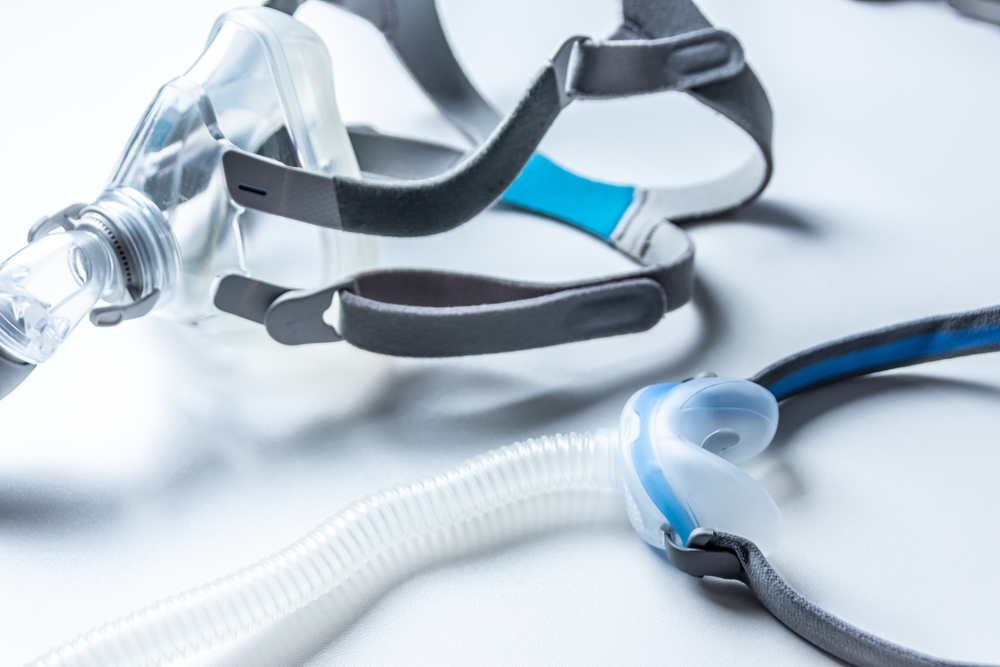
Sleep apnoea treatment in Gdańsk
OSA assessment, home sleep testing and CPAP therapy
Obstructive sleep apnoea (OSA) involves repeated narrowing or closure of the upper airway during sleep. It can cause drops in blood oxygen levels, disrupted sleep and excessive daytime sleepiness. Snoring is common, but not everyone who snores has sleep apnoea.
At Tartaczna 2 Medical Centre in Gdańsk, we assess and treat OSA in adults. Consultations are provided by respiratory specialist Dr Sylwia Agata Trześniowska. Following assessment, we offer equipment rental for a home sleep test and, when indicated, CPAP setup and a home treatment trial.

What symptoms may suggest sleep apnoea?
- loud, irregular snoring and breathing pauses noticed by someone else,
- waking with choking or gasping,
- feeling unrefreshed after sleep and excessive daytime sleepiness,
- difficulty concentrating and changes in mood,
- morning headaches, a dry mouth and frequent urination at night.
If you fall asleep at the wheel or sleepiness affects your ability to drive safely, do not drive and seek medical advice promptly.
Causes and possible consequences of OSA
Risk factors include overweight or obesity, age and the structure of the upper airway. Alcohol and some sedative or sleeping medicines can worsen breathing disturbances. OSA can also occur in people who are not overweight.
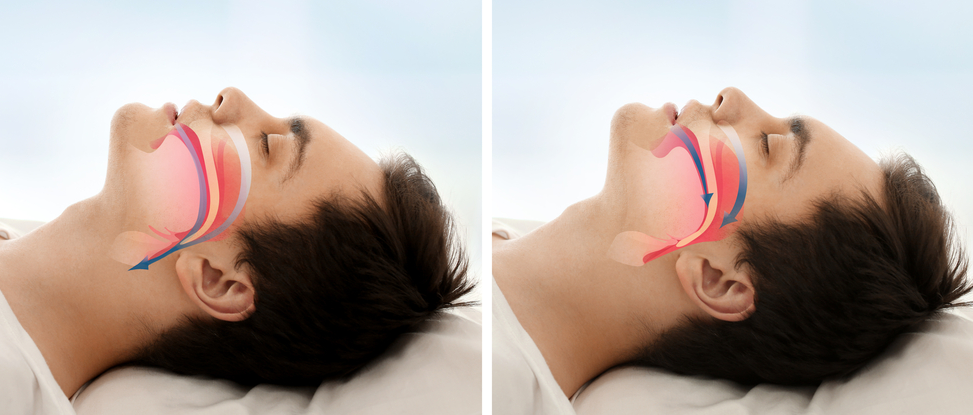
Untreated OSA is associated with a higher risk of high blood pressure, cardiovascular disease and accidents caused by sleepiness. Assessment is particularly worth discussing when blood pressure is difficult to control or someone has noticed breathing pauses during your sleep.
Diagnosing sleep apnoea – consultation and a home sleep test
A respiratory medicine consultation is required before equipment can be rented. The doctor reviews symptoms, other medical conditions and medicines to decide whether home testing is appropriate.
- The consultation establishes whether the test is suitable for you.
- You receive the device and instructions for fitting the sensors.
- You use it at home during your overnight rest.
- After the equipment is returned, the doctor reviews the recording and discusses the next steps.
A home sleep test records selected signals used to assess breathing, including oxygen saturation and pulse. The measurements depend on the device. Home testing is not suitable for every patient and does not replace full polysomnography in every situation.
Understanding your sleep test results
The doctor assesses recording quality, the frequency of breathing disturbances, drops in oxygen saturation and your symptoms. An automatically generated report alone is insufficient to decide on treatment. If the test is inconclusive, technically unreliable or negative despite continuing suspicion of sleep apnoea, further investigation, including polysomnography, may be needed.
If you already have a result from another centre, bring it to your consultation. Repeating the test is not always necessary.

How to prepare for a home sleep test
- Follow the instructions provided with the equipment and keep to your usual bedtime.
- Avoid alcohol, caffeine and energy drinks in the evening.
- Do not stop medicines, including sleeping tablets or sedatives, on your own. Discuss them with your doctor beforehand.
- Tell the staff about nail varnish, gel polish or artificial nails; these may need to be removed from the finger used for the sensor.
- Report difficulties fitting the device or problems during the recording.
CPAP treatment for sleep apnoea
CPAP delivers air through a mask at a positive pressure, helping keep the upper airway open during sleep. It is an important treatment for OSA, particularly when there is significant sleepiness or more severe disease. The indication depends on test results, symptoms and other medical conditions.
Appropriately adjusted and regularly used treatment reduces breathing pauses, may improve sleep quality and can reduce daytime sleepiness. In some patients it also helps control blood pressure. It cannot guarantee prevention of every complication.

CPAP titration – choosing a mask and pressure settings
After assessment for treatment, we fit a suitable mask and equipment and provide a device for a home trial. Titration helps establish the pressure or pressure range that effectively supports breathing and is well tolerated.
The review includes device recordings, mask seal, usage time and how you feel. During the trial, data can be monitored remotely and settings adjusted by the doctor. Trial duration and follow-up arrangements are individualised.

Follow-up and everyday CPAP use
Use the device during sleep as instructed. Report nasal dryness, mask leaks, pressure marks or difficulty getting used to treatment. Adjusting the mask, humidification or settings can often help.
Do not change prescribed pressure settings on your own. Follow-up appointments and review of device data help assess how well treatment is working and whether adjustments are needed.

Other treatments for sleep apnoea
Managing overweight or obesity, being physically active, avoiding alcohol before sleep and stopping smoking are important. Selected patients may benefit from positional therapy, a custom-made mandibular advancement device or surgery after appropriate assessment. Discuss treatment choices with your doctor; these approaches do not automatically replace prescribed CPAP.
Sleep apnoea treatment in Gdańsk – appointments
For your appointment with Dr Sylwia Agata Trześniowska, bring previous results, a medicine list and information about symptoms noticed during sleep. Reception can confirm current fees for testing and the CPAP trial. You can also ask during your consultation about possible funding through Poland's National Health Fund and the documents required.
Book using the appointment calendar below or contact our reception team: +48 58 719 10 25, kontakt@tartaczna2.pl.