
Tartaczna 2


 back
back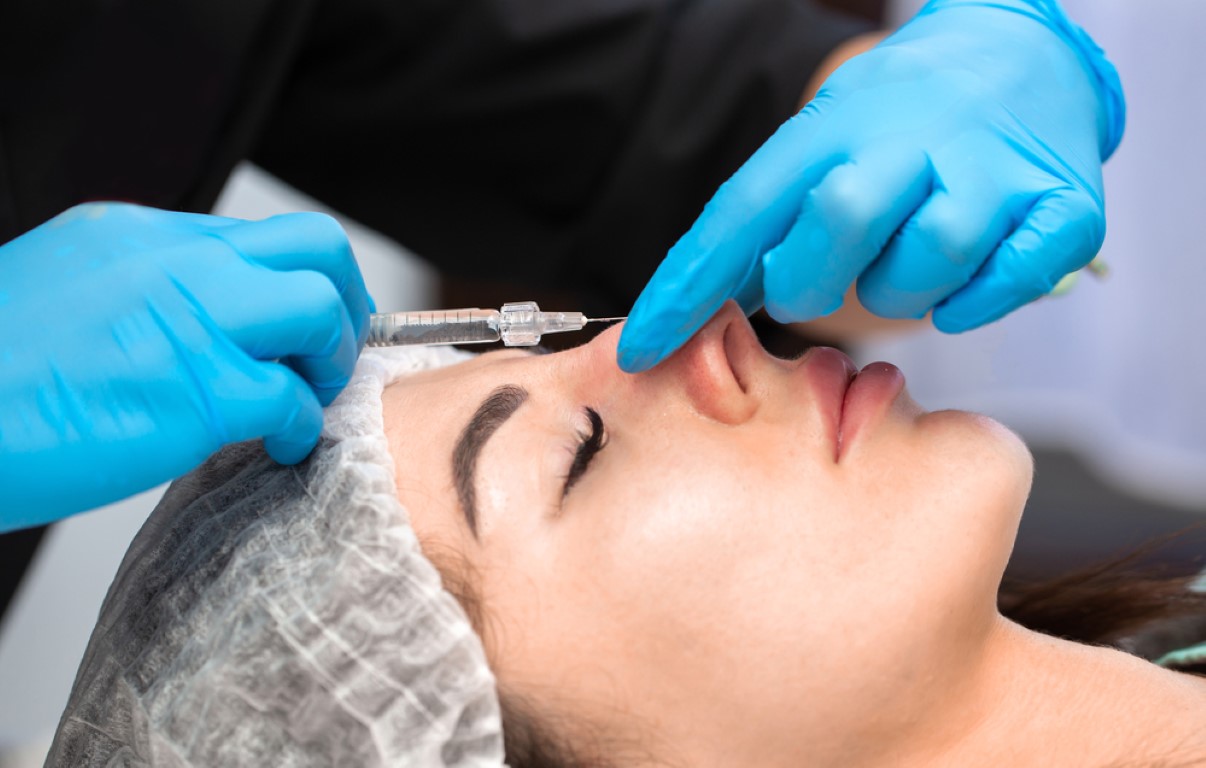
Non-surgical rhinoplasty in Gdańsk
Non-surgical nose reshaping with hyaluronic acid
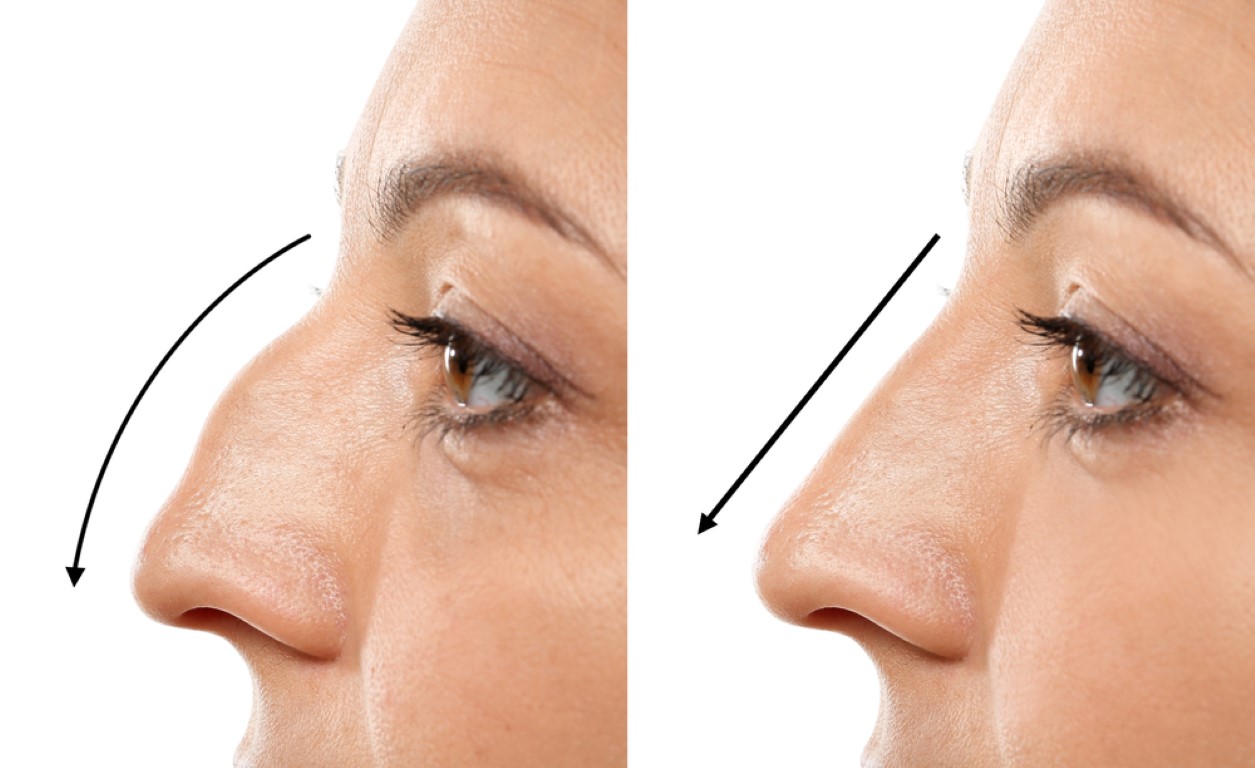
Non-surgical rhinoplasty, also called nose filler treatment, adds small amounts of hyaluronic acid to selected areas. It may change the appearance of the profile or camouflage some irregularities. Although it does not require surgery, it is an injection procedure with important risks.
What can and cannot change?
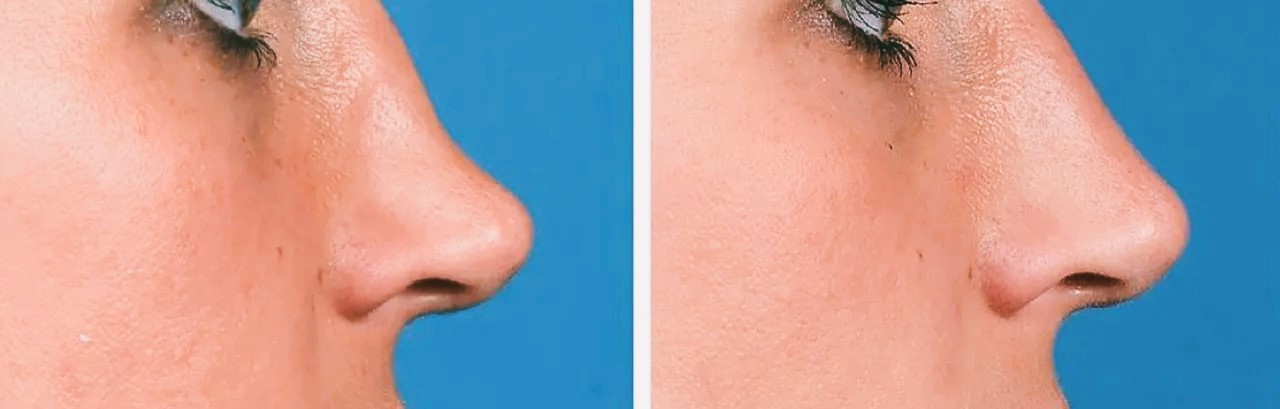
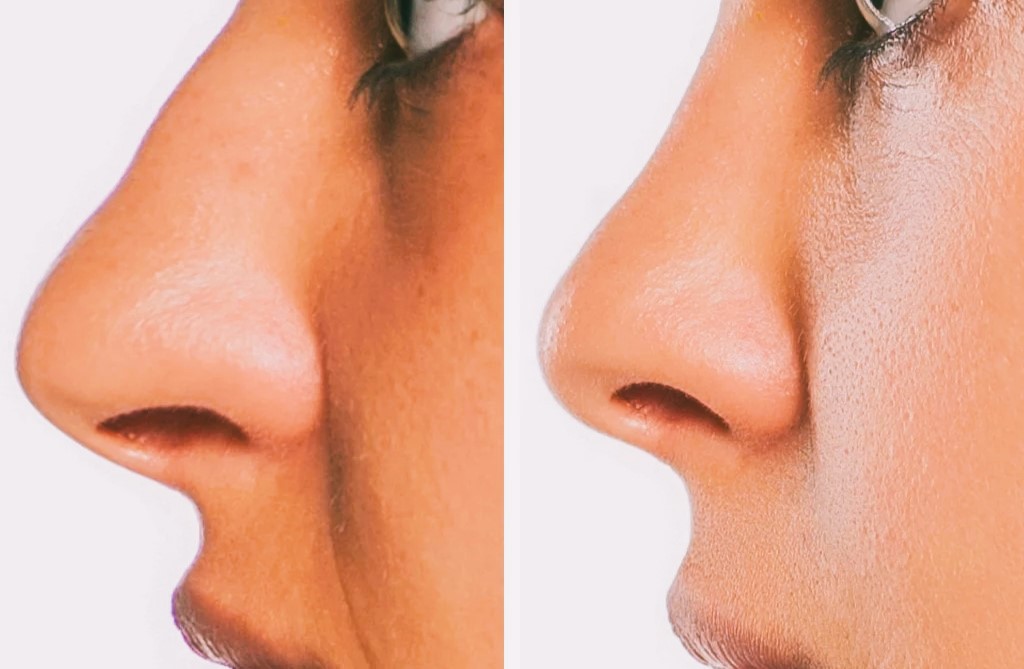
In suitable patients, treatment may fill selected depressions, camouflage a small hump by adding volume around it, or adjust the appearance of the nasal tip.
Filler adds volume: it does not make the nose smaller, remove a bony hump or straighten the nasal septum. It does not treat breathing difficulties. These concerns may require assessment for surgery.
Why is careful assessment essential?
Nasal blood vessels connect with vessels supplying the eye. Injections in this area therefore carry a particular vascular risk. Previous surgery, scarring or existing filler can make assessment more complex.
Your doctor considers anatomy, skin, previous treatment, medicines and expectations. Treatment may be advised against if the desired change cannot be achieved appropriately. An active infection, allergy to an ingredient, pregnancy or breastfeeding requires avoiding elective treatment.
How is treatment performed?
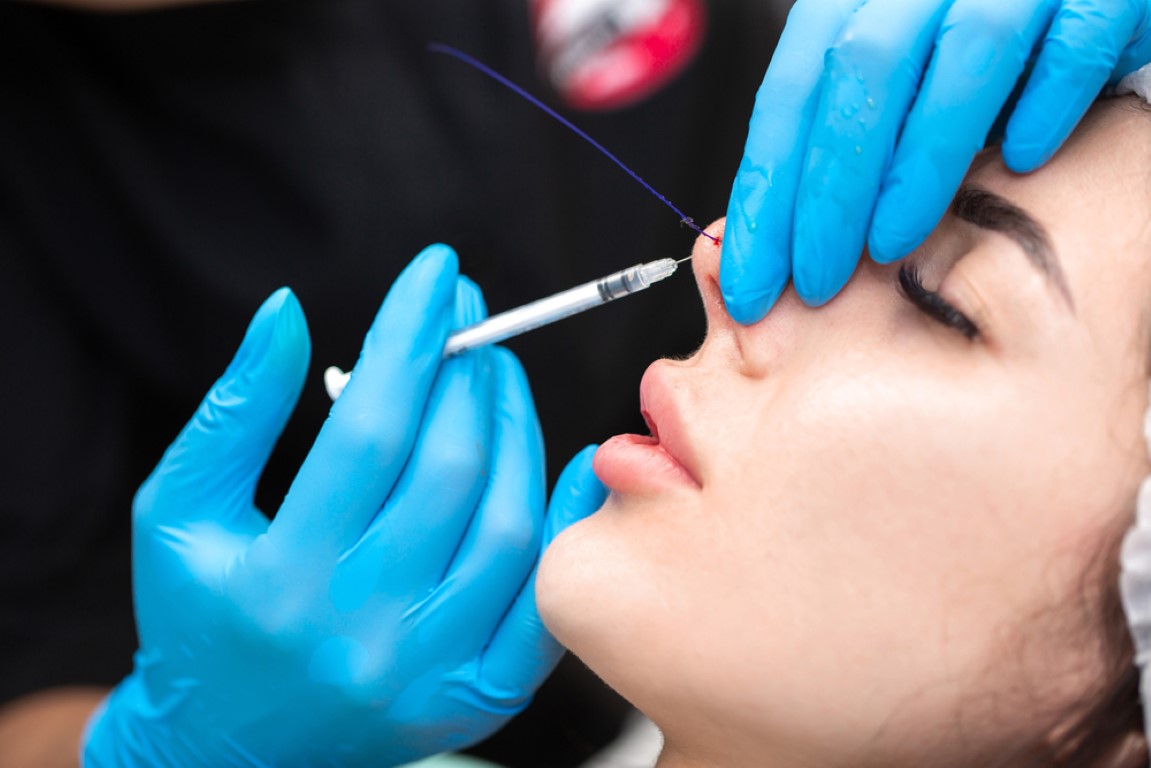
After discussing the plan and risks, the doctor places small amounts of a suitable product according to the anatomical assessment. Pain and pressure can occur. Neither a cannula nor a small filler volume eliminates complications.
Results and aftercare
The result is assessed after swelling settles. It is temporary, with duration depending on the product and tissues. Further filler should not be added without reviewing the previous treatment.
Follow advice on pressure, wearing glasses and activity. Do not massage your nose yourself. Swelling, tenderness and bruising can occur even after appropriately performed injections.
Risks and warning signs
Unevenness, infection and delayed inflammatory reactions are possible. The most serious complication is blood vessel blockage, which can cause skin necrosis or irreversible loss of sight.
Sudden severe pain, pale or mottled skin, and any visual disturbance require immediate medical attention. The availability of hyaluronidase to dissolve hyaluronic acid does not mean that every complication can be reversed.
Consultation and treatment in Gdańsk
At Tartaczna 2 Medical Centre, consultations and treatments are provided by Dr Natalia Spychalska and Dr Sara Strugała.
Book using the appointment calendar below or contact our reception team: +48 58 719 10 25, kontakt@tartaczna2.pl. Your treatment plan and cost are agreed after assessment.