
Tartaczna 2


 back
back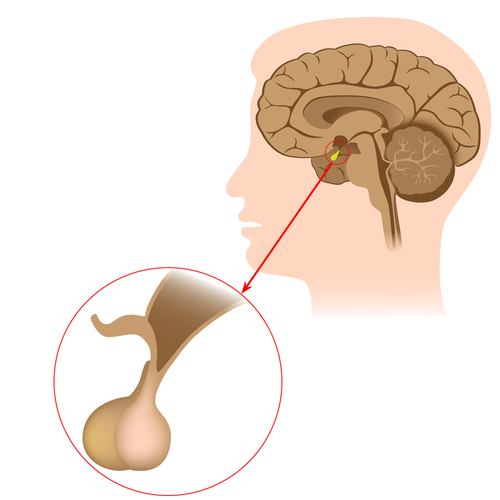
What Is Prolactin? Normal Levels, Testing and High Prolactin
High prolactin and hyperprolactinaemia – assessment in Gdańsk
Prolactin (PRL) is a hormone produced mainly by the anterior pituitary gland, a small gland at the base of the brain. One of its main roles is to stimulate milk production after childbirth. Prolactin is present in both women and men, and excessive levels can affect periods, fertility and sexual function.
An elevated prolactin level in the blood is called hyperprolactinaemia. A result above the reference range needs to be interpreted alongside your symptoms, medicines and the circumstances of the blood test. It does not always indicate a condition that requires treatment.

Normal prolactin levels and understanding your PRL result
Prolactin reference ranges depend on the testing method and laboratory. As a general guide, the upper limit is approximately 25 ng/mL in non-pregnant women and approximately 20 ng/mL in men. Always compare your result with the reference range shown on your own laboratory report.
Check the units: laboratories may report prolactin in ng/mL or mIU/L. Numbers expressed in different units cannot be compared directly without conversion. Prolactin naturally rises during pregnancy and breastfeeding, so results need to be interpreted differently at these times.
A mildly elevated result may be temporary. Your doctor may recommend repeating the test before arranging further investigations.
High prolactin – symptoms in women and men
Excess prolactin can interfere with the hormones that regulate the ovaries and testes. Symptoms vary in severity, and some people have no noticeable symptoms.
Symptoms of high prolactin in women
- irregular or absent periods,
- ovulation problems and difficulty becoming pregnant,
- galactorrhoea – a milky discharge from the breasts outside the normal period of lactation,
- reduced sex drive,
- vaginal dryness and discomfort during sex associated with low oestrogen levels.
Symptoms of high prolactin in men
- reduced sex drive,
- erectile dysfunction,
- low testosterone levels and fertility problems.
Long-standing hormonal changes may also contribute to reduced bone mineral density. If hyperprolactinaemia is caused by a larger pituitary tumour, pressure on nearby structures can cause headaches or changes in vision.
What causes high prolactin?
A high PRL result does not automatically mean that you have a pituitary tumour. Possible causes include:
- physiological causes – pregnancy, breastfeeding, sleep, stress, strenuous exercise, sexual intercourse and nipple stimulation,
- medicines – including certain antipsychotics, antidepressants, anti-sickness medicines, opioids and medicines used to treat high blood pressure,
- other medical conditions – particularly an underactive thyroid, as well as kidney or liver failure,
- conditions affecting the pituitary gland or the surrounding area – a prolactin-secreting adenoma, called a prolactinoma, or other changes that interfere with the regulation of prolactin release.
A prolactinoma is usually a benign pituitary tumour. Diagnosis requires an assessment by an endocrinologist; an elevated blood test result alone is not enough.
Prolactin blood test – when is it needed and how should you prepare?
A PRL test involves taking a blood sample from a vein. Your doctor may request it to investigate irregular periods, galactorrhoea, difficulty becoming pregnant, reduced sex drive or erectile dysfunction. It is also used to monitor previously diagnosed hyperprolactinaemia.
- Check with the laboratory when the sample should be taken and whether you need to fast. Testing is often carried out in the morning.
- Avoid strenuous exercise immediately before the test and arrive with enough time to rest beforehand.
- Tell your doctor if you are pregnant or breastfeeding, and provide details of your medicines and supplements.
- Mention anything that may affect the result, such as significant stress or recent breast stimulation.
- Do not stop taking medicines on your own before the test. Any treatment changes must be agreed with your doctor.
When repeating the test, try to keep the sampling conditions similar. If other hormones are being tested at the same time, your doctor may recommend a particular day of your menstrual cycle.
What happens if your prolactin is too high?
An endocrinologist considers how far the result is above the reference range, your symptoms and your current treatment. Depending on the circumstances, they may recommend:
- repeating the PRL test, particularly if the elevation is mild or unexpected,
- ruling out pregnancy, if pregnancy is possible,
- checking thyroid, kidney or liver function,
- testing for macroprolactin,
- a pituitary MRI scan if persistent hyperprolactinaemia has no identified cause or a lesion in this area is suspected.
What is macroprolactin, and why does it matter?
Macroprolactin is a larger form of prolactin, usually bound to antibodies, that generally has low biological activity. It can raise the laboratory result without causing the typical symptoms. Testing for it can help explain a mismatch between the blood test result and how you feel.
Interpretation also depends on the level of active, monomeric prolactin after appropriate laboratory processing of the sample. The presence of macroprolactin does not rule out coexisting true hyperprolactinaemia.
Prolactin stimulation tests, including the previously used metoclopramide test, are not routinely recommended when investigating hyperprolactinaemia.
Hyperprolactinaemia treatment – how is prolactin lowered?
Treatment depends on the cause, your symptoms and any plans for pregnancy. If an underactive thyroid is responsible, treatment focuses on correcting thyroid function. If a medicine is causing the rise in PRL, your doctor will consider whether treatment can be adjusted in consultation with the specialist who prescribed it.
Prolactin-secreting pituitary adenomas are often treated with medicines called dopamine agonists. These can lower prolactin levels and shrink the tumour. Neurosurgery may be considered in selected cases.
Not every elevated result requires medication. Your endocrinologist will establish the diagnosis and decide whether treatment is needed and when follow-up tests should take place.
Prolactin, pregnancy and breastfeeding
High prolactin outside pregnancy and breastfeeding can interfere with ovulation, but it does not mean permanent loss of fertility. Appropriate treatment often improves the chance of becoming pregnant.
Prolactin naturally rises during pregnancy and breastfeeding. If you have a diagnosed pituitary adenoma, pregnancy planning and ongoing treatment need to be discussed individually with your endocrinologist. Contact your treating doctor when pregnancy is confirmed to agree on the next steps.
When should you seek urgent medical help?
A sudden, very severe headache accompanied by worsening vision, double vision or altered consciousness requires urgent medical attention. Do not wait for a scheduled prolactin test in this situation.
Prolactin testing and endocrinology consultations in Gdańsk
At Tartaczna 2 Medical Centre in Gdańsk, you can have a prolactin blood test and discuss an abnormal result with a specialist. Dr Anna Florysiak, an endocrinologist, provides assessment and treatment for hyperprolactinaemia.
Bring your test results, including the laboratory reference ranges, previous medical records and a list of your medicines and supplements to the consultation.
Doctor profile: Dr Anna Florysiak.
Book an endocrinology consultation using the appointment calendar below or contact our reception team: +48 58 719 10 25, kontakt@tartaczna2.pl.