
Tartaczna 2


 back
back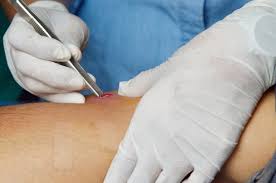
Abscess Incision and Drainage Gdańsk
Abscess Incision and Drainage in Gdańsk
We provide incision and drainage of selected skin and soft-tissue abscesses in Gdańsk following assessment by a surgeon. The procedure is intended to relieve pain and tissue pressure, remove pus and create suitable conditions for healing. Once a collection of pus has formed, antibiotic treatment alone often cannot replace adequate drainage.
At Tartaczna 2 Medical Centre in Gdańsk city centre, the surgeon assesses the location and extent of the lesion, the surrounding skin and the patient’s general condition. Not every painful or red lump is an abscess, and not every abscess can be treated safely in an outpatient clinic.
Appointments: +48 58 719 10 25 | Address: Tartaczna 2/1A, 80-839 Gdańsk, city centre
When might an abscess need incision and drainage?
A surgical consultation is particularly advisable if the lesion:
- is painful, tense, red and noticeably warm,
- is increasing in size or persists despite treatment,
- contains a palpable or visible collection of pus,
- has ruptured but continues to discharge,
- interferes with walking, sitting or daily activities,
- keeps returning in the same place.
You can start with a consultation with a general surgeon in Gdańsk. If you have fever, rigors, rapidly spreading redness, severe weakness or altered consciousness, seek urgent medical attention.
How is an abscess drained?
The procedure is usually performed under local anaesthesia. After preparing the treatment area, the surgeon makes an incision over the abscess, drains the pus and cleans the cavity. Depending on the depth and size of the collection, the wound may be irrigated and dressed or packed in a way that allows continued drainage.
In selected cases, a sample may be collected for microbiological testing. Antibiotics are not required after every drainage procedure, but they may be recommended when there is extensive surrounding inflammation, systemic symptoms, certain underlying conditions or an increased risk of complications.
Is the wound closed with sutures?
A wound following abscess drainage is often not closed immediately because continued drainage may be necessary. It may heal gradually from the base and require repeated dressing changes. Primary closure or partial suturing is considered only in selected cases after thorough cleaning and assessment of the local conditions.
Suturing is therefore not a routine part of every abscess procedure. The surgeon decides how to manage the wound based on its location, depth, the extent of infection and the likelihood of pus collecting again.
Aftercare following drainage
You will receive instructions about dressings, wound hygiene and follow-up. Further dressing changes, surgical review or local treatment may be required. Do not attempt to close the wound yourself or remove any drain or packing unless instructed by the doctor.
Seek prompt medical review if you develop increasing pain, fever, rapidly spreading redness, heavy bleeding, worsening swelling or a deterioration in your general condition.
When might hospital treatment be required?
Hospital assessment may be necessary for a large or deeply located abscess, a lesion in a particularly high-risk area, suspected infection extending into deeper tissues, severe systemic symptoms or significant underlying health conditions. Extra caution is required for patients with diabetes, reduced immunity or poor circulation.
Frequently asked questions
Can I squeeze or open an abscess myself?
Do not cut or squeeze an abscess at home. This can spread infection, damage surrounding tissues and make adequate drainage more difficult.
Can the procedure be performed during my first appointment?
Sometimes it can, provided the location and your condition are suitable for outpatient treatment and sufficient treatment time has been arranged. The final decision is made by the surgeon after examination.
How long does the wound take to heal?
Healing time depends on the size and depth of the abscess cavity, how the wound is managed, its location and your general health. A wound left open to heal from the base may require regular care for a longer period.
Abscess incision and drainage in Gdańsk
Procedures are performed by Natalia Spychalska, MD, and Kamil Drucis, MD, PhD. Before attending, call reception on +48 58 719 10 25 to describe the problem and arrange the appropriate type of appointment.