
Tartaczna 2


 back
back
Arthrex - treating joints with platelet rich plasma
PRP injections in Gdańsk – Arthrex ACP for joint and tendon conditions
Platelet-rich plasma (PRP) is prepared from a patient's own blood and used to treat selected joint and tendon conditions. Treatment aims to reduce pain and improve function. At Tartaczna 2 Medical Centre in Gdańsk, assessment and PRP injections using the Arthrex ACP system are provided by Dr Krzysztof Gawroński, a specialist in orthopaedics and traumatology.
An orthopaedic consultation is required before treatment. The doctor identifies the cause of your symptoms and assesses whether PRP could be an appropriate part of your care.

What is platelet-rich plasma?
PRP is plasma containing a higher concentration of platelets, obtained by centrifuging a blood sample. Platelets release growth factors and other proteins involved in healing and the regulation of inflammation.
The preparation is injected into the selected joint or treatment area. Its composition and effects depend partly on the preparation method and individual patient factors.
When might an orthopaedic specialist recommend PRP injections?
PRP may be considered after a diagnosis has been established, particularly when an appropriate course of conservative treatment has not provided sufficient relief. Possible applications include:
- symptomatic knee osteoarthritis, particularly mild to moderate disease,
- selected chronic tendinopathies, which affect tendons and their attachments, such as tennis elbow,
- certain persistent overuse conditions, after assessment of their cause and other treatment options.
The effectiveness of PRP varies between conditions. Evidence for some uses is limited or inconclusive. Pain, an injury or an abnormal ultrasound finding alone is not enough to establish whether treatment is appropriate.
PRP injections for knee osteoarthritis – possible benefits
PRP injections may reduce pain and improve joint function in some people with knee osteoarthritis. Research findings are mixed, however, and both the degree and duration of any improvement vary.
PRP has not been proven to rebuild worn cartilage or stop osteoarthritis from progressing. Treatment should also include suitable exercise, rehabilitation and, where appropriate, weight management. For advanced disease, your orthopaedic specialist may recommend a different approach.

Arthrex ACP – preparing plasma from your own blood
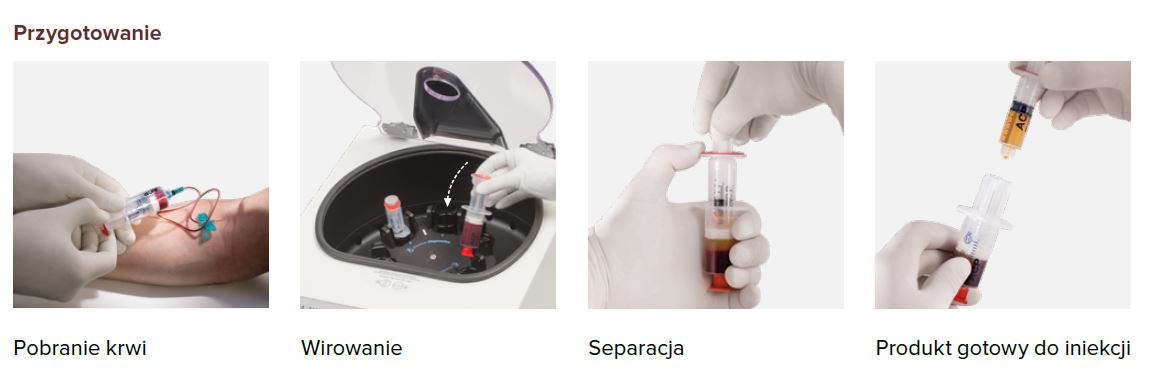
Arthrex ACP stands for autologous conditioned plasma. The system uses connected syringes to prepare platelet-rich plasma: after the blood is centrifuged, the plasma intended for injection is separated.
Autologous means that the material comes from the person receiving treatment. This does not eliminate the risks associated with blood collection and injections. During the assessment, the doctor explains the expected benefits, possible adverse effects and alternative treatments.
What happens during an orthopaedic PRP procedure?
- The doctor confirms that treatment is appropriate and identifies the injection site.
- A small sample of blood is taken from a vein, usually around 15 ml with the ACP system used at our centre.
- The sample is centrifuged and the platelet-rich plasma is prepared.
- After cleaning the skin, the doctor injects the preparation into the selected area. Ultrasound guidance may be used depending on the location.
- You receive advice on activity, medicines and follow-up care.
The procedure usually takes approximately 30 minutes. Needle insertion and the injection can cause pain or a feeling of pressure; measures to reduce discomfort are chosen individually. A hospital stay is not required.
How to prepare for a PRP injection
Bring previous test results, imaging reports and images, together with a list of your medicines. Tell the doctor about blood disorders, clotting problems, infections, cancer treatment and allergies.
Do not stop anticoagulant or antiplatelet medicines on your own. Also report any anti-inflammatory medicines you take, such as ibuprofen. Your doctor will decide whether changes are needed, taking into account why each medicine was prescribed.
Fasting is not usually necessary. Stay well hydrated and wear clothing that allows easy access to the treatment area. Individual preparation instructions are discussed at the initial consultation.
Contraindications and possible side effects
Reasons to postpone or avoid treatment may include an active infection, infected skin at the injection site, a significantly low platelet count, platelet function disorders, clotting disorders or severe anaemia. Chronic conditions, cancer treatment and medicines require individual assessment. Elective PRP procedures are usually deferred during pregnancy and breastfeeding.
Temporary increased pain, tenderness, swelling or bruising may occur after an injection. Less common complications include infection, bleeding or injury to nearby structures. Contact a doctor if you develop worsening severe pain, fever, or marked redness and warmth around the treated area.
PRP aftercare and returning to activity
Limit loading of the treated area during the first few days as advised. Returning to work, sport and exercise depends on your diagnosis and the injection site. A gradual rehabilitation programme is particularly important when treating tendon conditions.
Use only the pain relief agreed with your doctor and attend the planned follow-up appointment. Improvement, if it occurs, generally develops over the following weeks. Your orthopaedic specialist determines the number of injections and the intervals between them according to the condition and your response to treatment.

PRP injections in Gdańsk – prices and appointments
See our orthopaedics price list for the current cost of an Arthrex ACP injection. An assessment is required before the first procedure; discuss the planned course of treatment and its cost with the doctor and reception team.
PRP consultations and injections at Tartaczna 2 Medical Centre are provided by Dr Krzysztof Gawroński. Book using the calendar below or contact our reception team: +48 58 719 10 25, kontakt@tartaczna2.pl.

