
Tartaczna 2


 back
back
Contraceptive Pill - Contraception Advise in Gdańsk
Contraceptive Pill
Choosing a contraceptive pill should take account of your health, preferences and plans for pregnancy. At Tartaczna 2 Medical Centre in Gdańsk city centre, we help you choose a suitable contraceptive method and explain how to use it, possible side effects and what to do if you miss a dose.
Contraception consultations are available with Dr Marek Korożan, Dr Dominika Kozikowska and Dr Volha Khitrun.
How does the contraceptive pill work?
Contraceptive pills contain hormones that prevent pregnancy mainly by stopping ovulation and thickening cervical mucus, making it more difficult for sperm to enter the womb. The importance of each mechanism depends on the type of pill. These hormones also affect the womb lining, which is why bleeding may become lighter or stop during treatment.
The pill does not protect against sexually transmitted infections. Condoms reduce the risk of transmission and can be used alongside hormonal contraception.
Combined pill or progestogen-only pill?
The combined pill
The combined pill contains oestrogen and progestogen. It prevents ovulation and may also reduce heavy bleeding and period pain. For some women, it can help manage symptoms of endometriosis or acne. Because it contains oestrogen, your doctor needs to assess your risk of blood clots and cardiovascular disease, alongside other health factors.
The progestogen-only pill
The progestogen-only pill, sometimes called the mini pill, contains no oestrogen. It thickens cervical mucus and, depending on the active ingredient, also prevents ovulation. It may be suitable for many women who cannot take oestrogen and can be used during breastfeeding. However, it is not suitable for everyone. Irregular spotting or an absence of bleeding may occur during use.
How effective is the contraceptive pill?
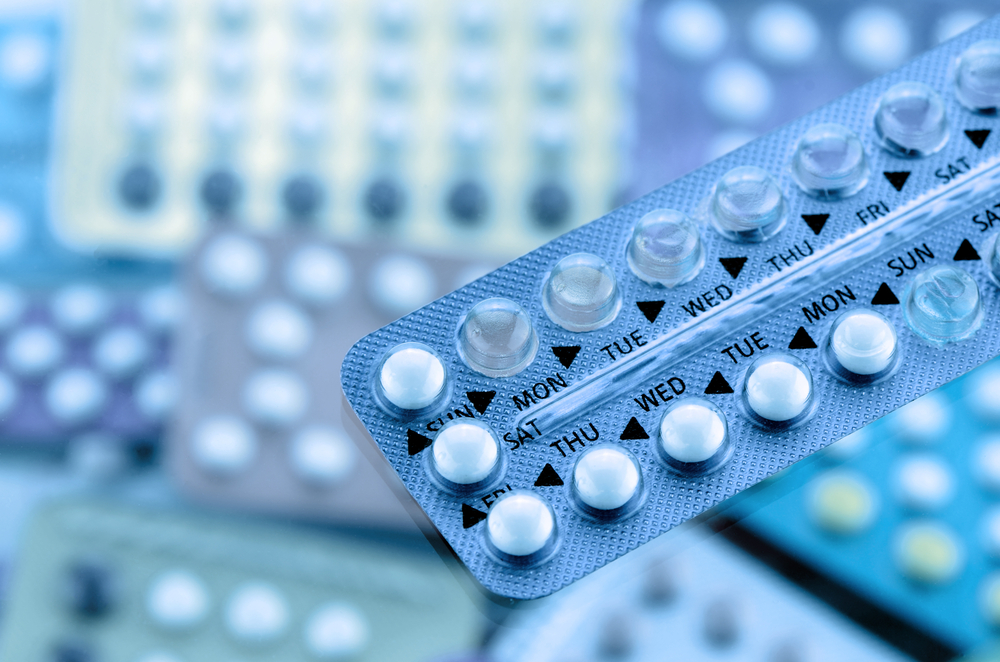
When taken correctly and consistently, the pill is over 99% effective over one year. With typical use, which includes missed doses and other mistakes, effectiveness is lower. According to CDC estimates, around 7 in 100 women taking the pill become pregnant during the first year of use, corresponding to approximately 93% effectiveness.
If remembering a daily tablet is difficult, ask your gynaecologist about a long-acting method, such as a contraceptive implant or an intrauterine device.
Contraception advice in Gdańsk – what happens at the consultation?
Your doctor will ask about your medical history, migraines, smoking, current medicines, blood clots in you or your family, breastfeeding and pregnancy plans. Blood pressure must be assessed before starting the combined pill.
For a healthy patient, routine hormone tests, blood clotting tests and ultrasound scans are not mandatory before prescribing the pill. Your doctor will recommend additional investigations if your symptoms or medical history indicate a need. Gynaecological ultrasound and cervical screening are arranged according to their own clinical indications and recommended schedules.
How should you take the contraceptive pill?
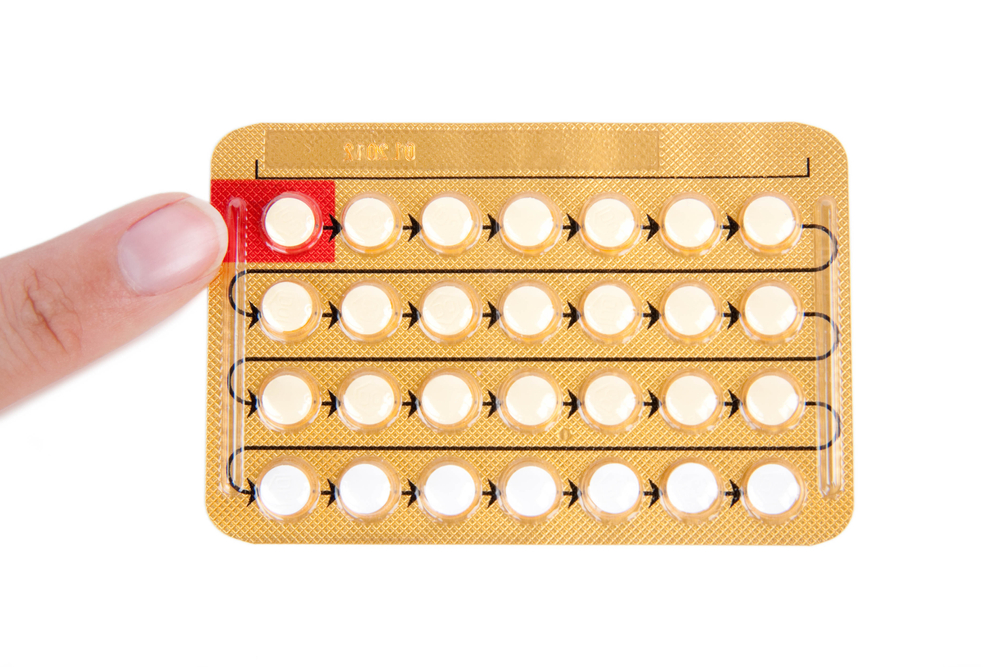
Take your pill every day, following the order shown on the pack and the instructions for your particular preparation. Taking it at a consistent time helps prevent missed doses.
- Combined pills: examples include 21 active pills followed by a 7-day break, or 24 active pills followed by 4 placebo pills. Other schedules are also available.
- Progestogen-only pills: you usually start the next pack without a break. Some preparations contain only active pills, while others also include placebo pills.
- Extended or continuous use: with suitable preparations, your doctor may recommend fewer breaks or taking active pills continuously.
Bleeding during a break from the combined pill, or while taking placebo pills, is called withdrawal bleeding. Do not extend the break yourself or assume that the instructions for one preparation apply to another.
When does the contraceptive pill start working?
The start of protection depends on the type of pill, when you begin taking it and any contraceptive method you were using previously. Starting on the first day of your period usually provides protection immediately. If you start at another time, you may need additional contraception, such as condoms.
Check the patient information leaflet or ask your doctor how long additional protection is needed. It is not 7 days for every preparation. The possibility of an existing pregnancy also needs to be assessed before starting.

What should you do if you miss a contraceptive pill?
The correct action depends on the preparation, how late the dose is, how many pills you have missed and where you are in the pack. It also matters whether the missed pill was an active pill containing hormones or a placebo.
Check the instructions in the patient information leaflet and contact a doctor or pharmacist if you are unsure. You may need to take the missed pill, change when you start your next pack or use condoms temporarily.
If you have had sex without additional protection during a time when your contraceptive protection may have been reduced, seek advice promptly, ideally on the same day. You may need emergency contraception, and the choice of method affects how you continue taking your regular pill.
What can make the pill less effective?
- Missing active pills or starting the next pack late.
- Extending the hormone-free interval.
- Vomiting shortly after taking a pill or having severe diarrhoea.
- Interactions with certain medicines and herbal remedies.
- Certain digestive conditions or gastrointestinal surgery that affect absorption.
Being overweight or living with obesity does not automatically mean that the pill will be ineffective. However, body weight is relevant when assessing safety, particularly the risk of blood clots with preparations containing oestrogen.
The contraceptive pill and other medicines
Some medicines used to treat epilepsy, tuberculosis or HIV, as well as herbal remedies containing St John’s wort, can reduce the pill’s effectiveness. Most commonly prescribed antibiotics do not directly reduce the effectiveness of hormonal contraception, although vomiting or severe diarrhoea caused by treatment may affect pill absorption.
Interactions can work both ways: hormonal contraception may also change the effects of other medicines. Before starting a new treatment, tell your doctor or pharmacist which contraceptive pill you take, along with any other medicines, supplements and herbal remedies.
Who should not take the contraceptive pill?
Contraindications differ between combined and progestogen-only pills. Preparations containing oestrogen may be unsuitable for women with a history of blood clots, thrombophilia, migraine with aura, certain cardiovascular conditions or high blood pressure, and for women aged 35 or over who smoke. Restrictions also apply during certain periods after childbirth.
Current breast cancer is a contraindication to hormonal contraception, including the progestogen-only pill. A history of cancer, serious liver disease and certain kidney conditions require individual assessment. If oestrogen is unsuitable, your doctor may consider a progestogen-only or non-hormonal method.

Contraceptive pill side effects
Possible side effects include spotting, changes in bleeding patterns, nausea, breast tenderness and headaches. Some women also report changes in mood or sex drive. Some symptoms settle during the first few months, but troublesome or persistent side effects should be discussed with your gynaecologist.
There is no convincing evidence that the combined pill causes significant weight gain. If you notice a substantial change in weight, other possible causes should also be considered.
The combined pill increases the risk of blood clots, although the risk remains low in appropriately selected patients. Sudden breathlessness, chest pain, swelling in one leg, or sudden changes in speech, vision or muscle strength require urgent medical attention.
Pregnancy after stopping the pill
Fertility usually returns quickly after stopping the pill. Ovulation may happen before your first period, so pregnancy is possible during the first cycle. There is no routine need to wait several months before trying to conceive.
If you are not planning a pregnancy, agree how to switch to another contraceptive method before stopping your pills.
What are the alternatives to the pill?
Other options include contraceptive patches and vaginal rings, contraceptive injections, the contraceptive implant and hormonal intrauterine systems. Non-hormonal options include the copper intrauterine device and condoms.
Your choice depends on your health, preferences, how well you tolerate hormones and whether you prefer a daily method or contraception that works over a longer period.
Contraceptive pill consultation – gynaecologist in Gdańsk
Would you like to start contraception, change your pill or discuss side effects? Book a consultation at Tartaczna 2 Medical Centre, at 2 Tartaczna Street in Gdańsk. We will help you choose a method that suits your needs and explain how to use it correctly.
Consultations are available with Dr Marek Korożan, Dr Dominika Kozikowska and Dr Volha Khitrun. Please bring the names of any medicines you take and information about contraception you have used previously.
Book using the appointment calendar below or contact our reception team: +48 58 719 10 25, kontakt@tartaczna2.pl.

Hormonal Coil (IUD) in Gdańsk – Fitting and Replacement
