
Tartaczna 2

-
Home

-
OFFER
-
Obstetrics and Gynecology Gdańsk
- Fertility Assessment and Recurrent Miscarriage Investigations in Gdańsk
 back
back
Fertility Assessment and Recurrent Miscarriage Investigations in Gdańsk
Gynaecology consultations, ovulation assessment and fallopian tube testing
If you are having difficulty conceiving or have experienced another miscarriage, a consultation can help you plan the next steps. At Tartaczna 2 Medical Centre in Gdańsk, we help investigate possible causes of fertility problems, select appropriate tests and discuss further care. Your assessment takes into account your age, how long you have been trying to conceive, previous pregnancies and both partners' test results.
Infertility and recurrent miscarriage are different medical problems that require appropriately tailored investigations. Our medical centre is located at 2 Tartaczna Street in Śródmieście, central Gdańsk.
When should you seek a fertility assessment?
Infertility is commonly defined as not achieving a pregnancy after 12 months of regular sexual intercourse without contraception. However, you do not always need to wait a full year before seeking advice.
- Under 35: investigations usually begin after 12 months of trying to conceive without success.
- Aged 35 or over: a consultation is recommended after 6 months of trying.
- Over 40: it is advisable to seek advice promptly when planning a pregnancy.
- At any age: an earlier assessment may be needed if you have absent or irregular periods, suspected endometriosis, fallopian tube disease or known abnormalities in your partner's semen analysis.
Both partners should be considered during the assessment. Difficulty conceiving may involve female factors, male factors or a combination of both. Sometimes, investigations do not identify a clear cause.

What can cause difficulty conceiving?
Factors affecting female fertility
- Ovulation disorders: these may be associated with polycystic ovary syndrome (PCOS) or hormonal conditions.
- Fallopian tube disease: blocked or damaged fallopian tubes, for example following pelvic infection or surgery.
- Endometriosis: a condition in which tissue similar to the lining of the womb grows outside the uterine cavity and may affect fertility.
- Uterine abnormalities: certain structural differences, adhesions within the uterine cavity, polyps or fibroids. Their significance depends partly on their location and size.
- Age and ovarian function: important considerations when assessing the chances of pregnancy and planning treatment.
Factors affecting male fertility
Possible factors include a reduced sperm count or motility, abnormalities in sperm shape, hormonal conditions, testicular disease or blockages in the reproductive tract. An abnormal result for a single semen parameter does not necessarily mean that natural conception is impossible.
Smoking, excessive alcohol consumption and anabolic steroid use can also affect reproductive health. Advice about lifestyle should support medical care, not replace investigations or place blame on either partner.

What does a fertility assessment with a gynaecologist involve?
Medical history and gynaecological examination
During your consultation, the doctor will ask how long you have been trying to conceive, about your menstrual cycles, previous pregnancies and miscarriages, operations, medical conditions and medicines. Pelvic pain and your partner's existing test results are also relevant.
Gynaecological ultrasound and ovulation assessment
A transvaginal ultrasound scan assesses the uterus, endometrium and ovaries. Where appropriate, your doctor may arrange follicle tracking: ultrasound scans performed on selected days of your menstrual cycle to monitor follicular development and help assess ovulation.
If endometriosis is suspected, an expert endometriosis ultrasound assessment may be recommended. At Tartaczna 2, this examination is performed by Dr Dominika Kozikowska.
Hormone tests and ovarian reserve
Not every patient needs the same set of blood tests. Your doctor selects the relevant hormone tests and their timing according to your symptoms. When progesterone is measured to assess whether ovulation has occurred, the sample is usually taken approximately one week before your expected period, rather than always on day 21.
Anti-Müllerian hormone (AMH) testing and an ultrasound antral follicle count help assess ovarian reserve. However, they are not stand-alone tests of your ability to conceive naturally and do not directly measure egg quality.
Fallopian tube patency testing
A standard gynaecological ultrasound scan cannot confirm whether the fallopian tubes are open. One method of assessing this is HyFoSy, a fallopian tube patency test. During the procedure, the doctor uses ultrasound to observe a specially formulated foam passing through the fallopian tubes. An assessment of suitability is required beforehand.
Other methods, such as hysterosalpingography (HSG), may be used in selected circumstances. Hysteroscopy and laparoscopy are not routinely needed for every patient; they are performed when there is a specific clinical indication.

Semen analysis: an important part of a couple's fertility assessment
Semen analysis assesses factors including sperm count, motility and morphology. It is useful to include this early in the assessment, alongside the female partner's investigations.
An abnormal result usually needs to be checked. A doctor will advise whether and when to repeat the test and whether further hormonal or genetic investigations are appropriate. An andrology or urology consultation may also be recommended.
Before the test, follow the laboratory's instructions on preparation and sample collection.
Recurrent miscarriage: when should you seek advice?
Investigations for recurrent pregnancy loss can be considered after two pregnancy losses. You do not need to wait for three consecutive miscarriages. The assessment depends on your age, previous pregnancy history and existing results.
A single miscarriage does not automatically indicate an underlying long-term condition or mean that you need an extensive panel of tests. However, it is worth discussing what happened with your gynaecologist and planning your next steps.
Late pregnancy loss and premature birth require separate assessment. Not all difficulties with carrying a pregnancy to term should be treated as the same diagnosis.
Which investigations may be recommended after recurrent miscarriages?
Investigations may include:
- Assessment of the structure of the uterus: usually using ultrasound, with additional investigations where indicated.
- Testing for antiphospholipid syndrome: measuring relevant antibodies and interpreting the results against the diagnostic criteria.
- Thyroid assessment: thyroid-stimulating hormone (TSH) and thyroid peroxidase antibodies (TPO antibodies), with further tests where necessary.
- Genetic investigations: selected individually, taking account of family history and previous findings.
Inherited thrombophilia testing and extensive immunological panels are not routinely recommended for every patient after miscarriage. Their use requires a separate clinical indication.

Fertility treatment: how is the right approach chosen?
Treatment depends on the identified cause, the patient's age, how long the couple has been trying to conceive and both partners' results. Options may include:
- treatment of diagnosed hormonal conditions;
- medically supervised ovulation induction for patients with ovulation disorders;
- treatment of selected uterine or fallopian tube abnormalities, or endometriosis;
- treatment of male-factor infertility by an appropriate specialist;
- assessment for assisted reproduction, such as intrauterine insemination (IUI) or in vitro fertilisation (IVF), at a specialist fertility centre.
Not every couple needs surgery or IVF. Equally, an unsuccessful approach should not be continued unnecessarily when the findings indicate that a different treatment is needed.
Testosterone is not a standard treatment for improving male fertility. Testosterone taken as medication can suppress sperm production. Anyone planning to become a father should discuss any hormonal preparations they are taking with their doctor.
Treatment following recurrent miscarriage
Care is tailored to the identified cause. It may include treatment of thyroid disease, appropriate treatment for antiphospholipid syndrome or an assessment of whether surgery is indicated for a uterine abnormality.
Progesterone is not a universal way of preventing miscarriage. It may be helpful in specific circumstances, including for some patients with previous pregnancy losses who develop bleeding in a subsequent pregnancy. Your doctor will assess whether it is appropriate.
Immunological treatments are not routinely recommended for all patients with recurrent miscarriage. An individual care plan for a subsequent pregnancy and emotional support are also important.
How should you prepare for your first appointment?
- Make a note of your usual cycle length and the date of your last period.
- Prepare information about how long you have been trying to conceive and any previous pregnancies.
- Bring existing hormone test results, ultrasound reports and semen analysis results.
- If you have experienced miscarriages, bring hospital records and any available histopathology or genetic test results.
- Prepare a list of medicines, supplements, long-term conditions and previous operations.
You do not need to arrange an extensive panel of tests before your first consultation. Your doctor can help identify which investigations would be useful and when to have them.
Fertility assessment in Gdańsk at Tartaczna 2 Medical Centre
You can book a consultation with Dr Marek Korożan to discuss difficulty conceiving or previous pregnancy losses. Your appointment provides an opportunity to review existing results and plan the next stages of investigation.
Our centre offers gynaecology consultations, ultrasound examinations and HyFoSy fallopian tube patency testing following an assessment of suitability. Expert endometriosis ultrasound examinations are performed exclusively by Dr Dominika Kozikowska. If investigations or treatment beyond the scope of outpatient care are needed, your doctor will discuss the next steps.
Please contact our reception team to confirm the scope of your appointment, available dates and current test prices.
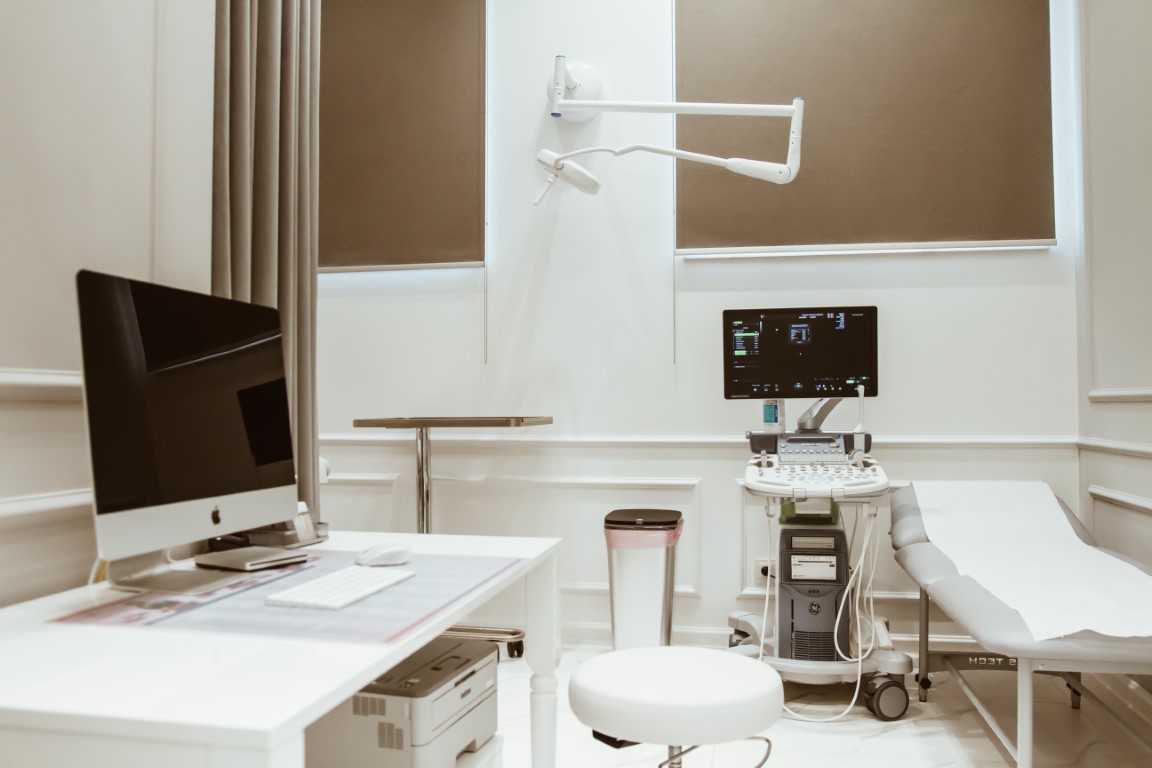
Book a consultation at Tartaczna 2 Medical Centre in Gdańsk: call +48 58 719 10 25 or visit our contact page.
Doctor profile: Dr Marek Korożan.
Book using the appointment calendar below or contact our reception team: +48 58 719 10 25, kontakt@tartaczna2.pl.