Tartaczna 2

-
Home

-
OFFER
-
Obstetrics and Gynecology Gdańsk
- Genital Wart Removal in Gdańsk - Laser and Electrosurgery
 back
back
Genital Wart Removal in Gdańsk - Laser and Electrosurgery
Genital Wart Removal
Genital wart removal at Tartaczna 2 Medical Centre in Gdańsk includes laser treatment, electrocoagulation and surgical excision. We select the method according to the number, size and location of the lesions and the patient's needs. We treat women and men, and our reception team can help you choose the appropriate specialist.
Genital warts, also known as anogenital warts or condylomata acuminata, are associated with HPV infection. They require medical assessment before treatment because not every lump in the genital area is a wart.
What are genital warts?
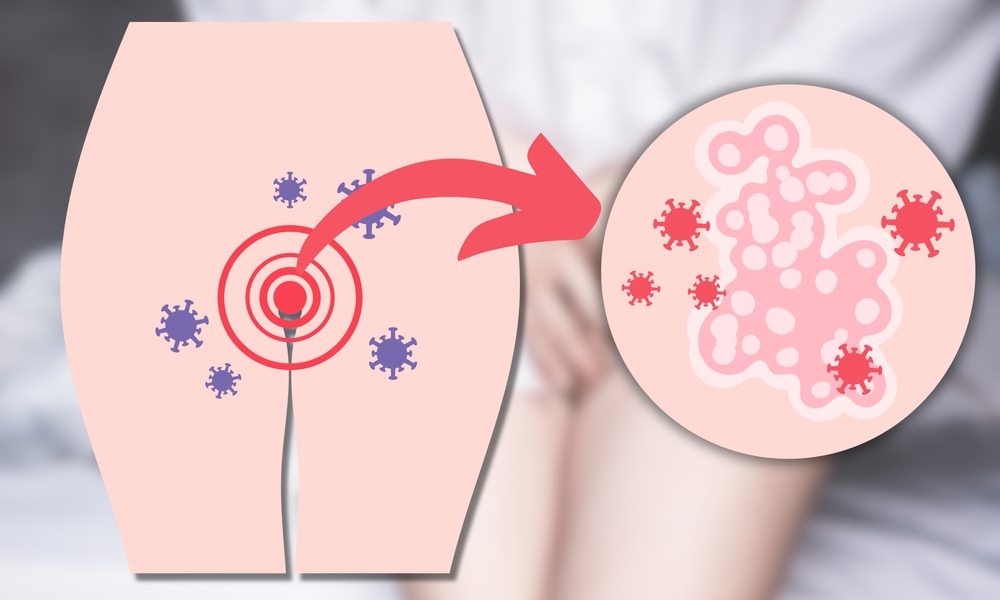
Genital warts are benign raised or flat growths, most commonly caused by HPV types 6 and 11. They can develop on the vulva, penis, scrotum, perineum and skin around the anus, as well as inside the vagina, on the cervix or within the anal canal.
HPV is mainly transmitted through sexual contact, including direct contact between skin and mucous membranes without penetration. Warts may appear long after the original infection, so their appearance cannot establish when or from whom the infection was acquired.
Genital wart symptoms
Warts may be single or multiple, flat or raised. Sometimes they merge into larger clusters with a cauliflower-like appearance. Their rate of growth varies.
Genital warts are often painless, but they may cause:
- itching, burning or irritation,
- discomfort during sex,
- bleeding when rubbed,
- difficulty keeping the area clean when lesions are larger.
Can genital warts cause cancer?
Typical genital warts caused by HPV 6 and 11 are not precancerous lesions. However, infection with other, high-risk HPV types can occur at the same time. Some precancerous or cancerous lesions can also resemble warts.
Unusual, firm, ulcerated or spontaneously bleeding lesions, or those that do not respond to treatment, may therefore require a biopsy. Treating typical genital warts aims to remove the lesions and relieve symptoms; it is not, in itself, a method of preventing cervical cancer.
Diagnosing genital warts – do I need an HPV test?
Diagnosis is usually based on a clinical examination. HPV testing is not routinely recommended to confirm genital warts, because the result does not establish the nature of a visible lesion or determine its treatment.
Cervical screening, including liquid-based cytology (LBC) and high-risk HPV testing, has separate indications. Read more on our page about HPV infection and testing.
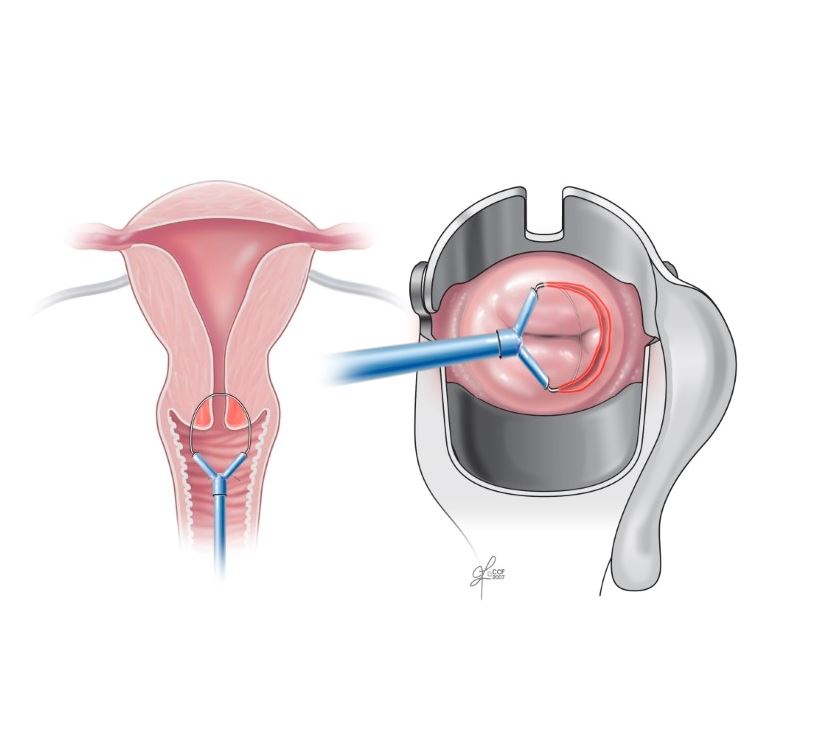
If you have warts around the anus, the doctor may also recommend examination of the anal canal. Cervical lesions require gynaecological assessment and may need a biopsy before treatment.
Genital wart treatment – how is the method selected?
No single treatment is best for every patient. The choice depends on the extent and location of the lesions, previous treatment and patient preferences. In selected cases, prescription topical treatment, cryotherapy or observation may be appropriate.
The following procedures are available at our centre.
Laser genital wart removal
A CO2 laser can be used to vaporise the affected tissue. Treatment is performed with appropriate anaesthesia, usually a local anaesthetic. The procedure time depends on the number and extent of the lesions.
The treated area needs time to heal. Scar-free healing or a specific recovery time cannot be guaranteed for every patient.
Electrocoagulation of genital warts
Electrocoagulation uses high-frequency electrical energy to destroy affected tissue through heat. The procedure is usually performed under local anaesthetic. The doctor tailors the treatment to the lesions while limiting damage to surrounding tissue.
Surgical genital wart removal
Surgical excision may be appropriate for selected larger lesions or when tissue is needed for histological examination. If a lesion looks unusual, the doctor may recommend taking a tissue sample before using a treatment that destroys it.
Who removes genital warts at Tartaczna 2 Medical Centre?
| Treatment | Doctors performing the procedure |
|---|---|
| Surgical removal of genital warts | Dr Marek Korożan and Dr Dominika Kozikowska – gynaecologists. |
| Electrocoagulation of genital warts | Dr Marek Korożan and Dr Dominika Kozikowska – gynaecologists. |
| Laser genital wart removal | Dr Marek Korożan, Dr Volha Khitrun (women only), Dr Natalia Spychalska and Dr Sara Strugała. |
Dr Natalia Spychalska is a surgical oncologist. Dr Sara Strugała is a dermatologist who treats genital warts in women and men. When booking, please tell reception where the lesions are located so that we can arrange an appointment with the appropriate doctor.
How should I prepare for genital wart removal?
Before the procedure, the doctor examines the lesions and discusses the available treatments. Tell them about pregnancy, medication, bleeding disorders, allergies and any previous treatment attempts.
Do not apply over-the-counter products intended for hand or foot warts to the genital area. They can damage delicate skin and mucous membranes. Specific preparation depends on the location and extent of the procedure.
Healing after treatment and returning to sex
You may experience tenderness, burning, mild oozing or spotting after treatment. Follow the recommended wound care instructions and avoid irritating the treated area. Sexual activity should resume after the wounds have healed, in accordance with your doctor's advice.
Contact a doctor if you develop increasing pain, fever, pus-like discharge or heavier bleeding.
How many treatments will I need, and can warts return?
A single procedure may be sufficient for a small number of lesions. Numerous or extensive warts may require treatment in stages and further appointments.
Removing visible warts does not mean that HPV has been eliminated from the body. Recurrence is possible, particularly during the first few months after treatment. A single recurrence rate cannot be applied to all patients and treatment methods.
HPV vaccination after genital wart treatment
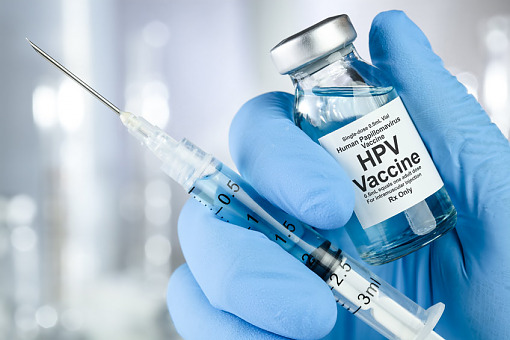
A history of genital warts does not rule out vaccination. Gardasil 9 covers HPV types 6 and 11, which cause most genital warts, as well as several high-risk HPV types.
The vaccine is preventive: it does not treat existing warts or guarantee that they will not recur. The potential benefits of vaccination should be discussed individually. Read more about HPV vaccination in Gdańsk.
Genital wart removal in Gdańsk – price
The price depends on the treatment method, the number, size and location of the lesions, and the extent of treatment. We confirm the cost of the planned procedure beforehand. Our reception team can provide current prices and explain any additional charges for consultation or histological examination.
Book a consultation at Tartaczna 2
Visit Tartaczna 2 Medical Centre at 2 Tartaczna Street in Gdańsk city centre, in the Śródmieście district. During your consultation, the doctor will assess the lesions and recommend an appropriate treatment plan.
Book using the appointment calendar below or contact our reception team: +48 58 719 10 25, kontakt@tartaczna2.pl.

HPV Testing in Gdańsk - Symptoms, Diagnosis and Results