
Tartaczna 2


 back
back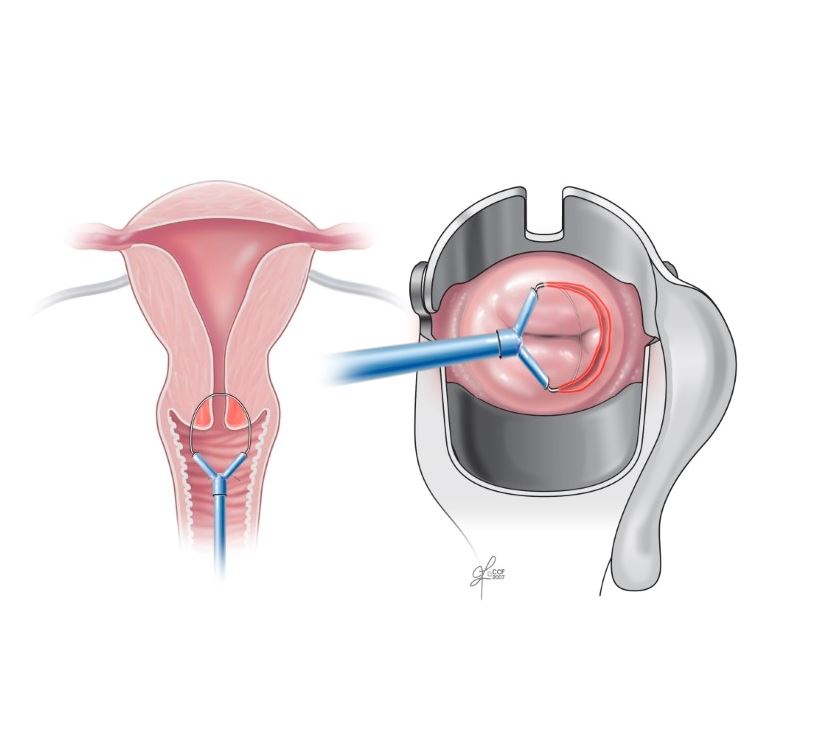
LLETZ / LEEP in Gdańsk – Cervical Cone Biopsy
LLETZ / LEEP
LLETZ / LEEP is a procedure that removes a section of the cervix using a thin electrosurgical wire loop. It allows abnormal tissue to be removed and examined in a laboratory. At Tartaczna 2 Medical Centre in Gdańsk, this procedure is performed exclusively by Dr Marek Korożan, on an outpatient basis under local anaesthetic.
Before booking the procedure, you must attend a consultation or submit your test results for prior review by Dr Marek Korożan. This assessment helps determine whether treatment, further investigations or monitoring is appropriate.
LLETZ and LEEP – two names for the same procedure
LLETZ and LEEP describe the same method of removing abnormal cervical tissue using an electrosurgical loop. LLETZ stands for Large Loop Excision of the Transformation Zone and is the term most commonly used in the United Kingdom. LEEP stands for Loop Electrosurgical Excision Procedure and is more commonly used in the United States.
The procedure removes tissue from the transformation zone, where most precancerous cervical changes develop. The extent and depth of the excision are tailored to the location and nature of the abnormality.
Cervical conisation, also known as a cone biopsy, is a broader term for removing a section of the cervix, usually shaped like a cone. It can be performed using an electrosurgical loop or another technique, such as a scalpel.
Loop excision is different from electrocoagulation. LLETZ / LEEP removes tissue for histological examination. Coagulation may then be used to control bleeding from the treated area.

When is LLETZ / LEEP recommended?
The procedure is mainly considered for high-grade precancerous cervical changes and in selected situations where a larger tissue sample is needed to establish a diagnosis. The decision takes account of liquid-based cytology (LBC), HPV testing, colposcopy and any previous biopsy results.
- CIN3 – usually requires treatment; management during pregnancy follows different principles.
- CIN2 – often requires treatment, although carefully selected patients may be offered close monitoring, taking account of pregnancy plans and the criteria for safe observation.
- Inconclusive or conflicting test results – in certain circumstances, removing a larger tissue sample can help establish the diagnosis.
A positive HPV test or an LSIL cytology result alone does not mean that a cone biopsy is necessary. Monitoring is usually preferred for CIN1. CIN is a histological diagnosis, whereas LSIL and HSIL may be categories in a cytology report; they should not be treated as identical test results.
Suspected cancer or glandular abnormalities require a separate assessment. Not every patient is suitable for outpatient LLETZ / LEEP.
Why are precancerous cervical changes removed?
Persistent high-risk HPV infection can lead to precancerous changes. Removing abnormalities that require treatment reduces the risk of cervical cancer developing.
The removed tissue is sent for histological examination. A pathologist assesses the type and grade of the changes and the excision margins. The findings guide follow-up or further treatment.

How should I prepare for LLETZ / LEEP?
Before booking the procedure, you must attend a consultation with Dr Marek Korożan or submit your test results for his review. Please prepare any available cytology, HPV, colposcopy and histology reports.
Contact our reception team to arrange how to submit your records. After reviewing the results, the doctor will assess whether the procedure is suitable and whether you need an additional consultation or further investigations.
Please tell the doctor about:
- pregnancy or any possibility that you may be pregnant,
- medicines that affect blood clotting and any bleeding disorders,
- allergies, particularly to local anaesthetics,
- symptoms of a genital infection,
- an intrauterine contraceptive device and any previous procedures on your cervix.
Do not stop prescribed medication without medical advice. The doctor will determine the timing of the procedure and whether any additional tests are needed. If you are having your period on the appointment date, contact reception beforehand.
What happens during treatment under local anaesthetic?
After discussing the procedure and obtaining your consent, the doctor inserts a speculum, examines the cervix and administers a local anaesthetic. A loop is then used to remove the appropriate section of tissue, and any bleeding is controlled.
Please allow approximately 30–40 minutes for the procedure and preparation. The tissue removal itself takes less time. The sample is sent for histological examination.
Local anaesthetic reduces pain, but you may still experience some discomfort. You may notice a brief stinging sensation when the anaesthetic is injected, pressure or cramping. Tell the doctor if you feel pain.
Recovery after LLETZ / LEEP
You may experience lower abdominal cramps, spotting and watery or blood-stained vaginal discharge. Healing usually takes around 4 weeks, although this varies between individuals.
During recovery, follow your doctor's instructions and:
- avoid vaginal intercourse,
- use sanitary pads instead of tampons or menstrual cups,
- avoid swimming and prolonged baths,
- limit strenuous exercise and heavy lifting.
Heavy bleeding, fever, increasing pain or an unpleasant-smelling discharge require prompt medical assessment. Seek urgent medical help if heavy bleeding is accompanied by weakness or fainting.
Cervical cone biopsy and future pregnancy
Most women can become pregnant after LLETZ / LEEP. However, treatment may increase the risk of premature birth, particularly after deeper excisions or repeated cervical procedures. Less commonly, narrowing of the cervical canal can occur.
If you are planning a pregnancy, discuss this before treatment. When you become pregnant, tell the clinician providing your antenatal care that you have had cervical treatment, as this may affect how your cervix is monitored.
Histology results and follow-up after LLETZ / LEEP
Removing the abnormal tissue does not end the need for cervical follow-up. Once the histology report is available, the doctor will assess whether further treatment is needed and arrange a follow-up plan.
Follow-up after treatment for high-grade changes usually includes HPV testing or HPV testing together with cytology, most commonly at around 6 months. Subsequent monitoring depends on the results and the original diagnosis. Clear excision margins do not remove the need for follow-up.
LLETZ / LEEP in Gdańsk – price and booking
At Tartaczna 2 Medical Centre, LLETZ / LEEP is performed exclusively by Dr Marek Korożan. Our clinic is located at 2 Tartaczna Street in Gdańsk city centre, in the Śródmieście district.
Booking the procedure requires a prior consultation or submission of test results for review by Dr Marek Korożan. Sending your records does not automatically confirm your suitability for treatment. We arrange the procedure once the doctor has confirmed that it can be performed.
Our reception team can explain how to submit your results and provide the current procedure price, including information about charges for the pre-procedure assessment, histological examination and follow-up.
Doctor profile: Dr Marek Korożan.
Book using the appointment calendar below or contact our reception team: +48 58 719 10 25, kontakt@tartaczna2.pl.

HPV Testing in Gdańsk - Symptoms, Diagnosis and Results
