
Tartaczna 2


 back
back
Heart palpitations in pregnancy Gdańsk
Assessment of palpitations and heart rhythm problems in pregnancy
Heart palpitations in pregnancy may feel like a racing, pounding, fluttering or irregular heartbeat. They do not always mean that something is wrong: blood volume increases during pregnancy and the heart works harder. However, new, recurrent or troublesome symptoms should be discussed with a doctor.
At Tartaczna 2 Medical Centre in Gdańsk, Dr Andrzej Pecka, cardiologist and specialist in internal medicine, assesses heart symptoms during pregnancy. Investigations and further care are tailored to your symptoms, stage of pregnancy and medical history.
Palpitations and arrhythmias in pregnancy
Palpitations are a symptom; an arrhythmia is a disturbance of the heart rhythm. A noticeable or fast heartbeat may occur with a normal sinus rhythm, occasional extra beats or an arrhythmia that needs treatment. A pulse reading or description of symptoms alone cannot reliably distinguish these situations. An ECG recorded during symptoms can be particularly useful.
What can cause a faster heartbeat during pregnancy?
As well as normal circulatory changes, stress, poor sleep, dehydration and caffeine may contribute. Your doctor will also consider:
- anaemia and iron deficiency,
- thyroid problems,
- electrolyte disturbances, for example with severe vomiting,
- infection, fever and the effects of medicines,
- previous arrhythmias, congenital heart conditions or other cardiovascular disease.
Avoid diagnosing the cause yourself or starting potassium supplements or heart medicines without advice. Appropriate management depends on a medical assessment.
When do palpitations need urgent medical attention?
Call 112 or 999 in Poland if palpitations occur with severe chest pain, marked breathlessness, fainting or a sudden deterioration in your condition. These symptoms should not be attributed to pregnancy alone or left until a routine appointment.
Repeated episodes of a racing heartbeat, dizziness, a noticeable reduction in exercise tolerance or a persistently fast pulse at rest also need assessment. The overall pattern of symptoms matters more than a single pulse reading.
How are arrhythmias investigated during pregnancy?
The cardiologist will ask how often episodes occur, how long they last, whether they are related to activity, which medicines you take and whether heart conditions run in your family. An examination helps determine which tests are appropriate.
- Resting ECG – assesses the heart rhythm and electrical conduction.
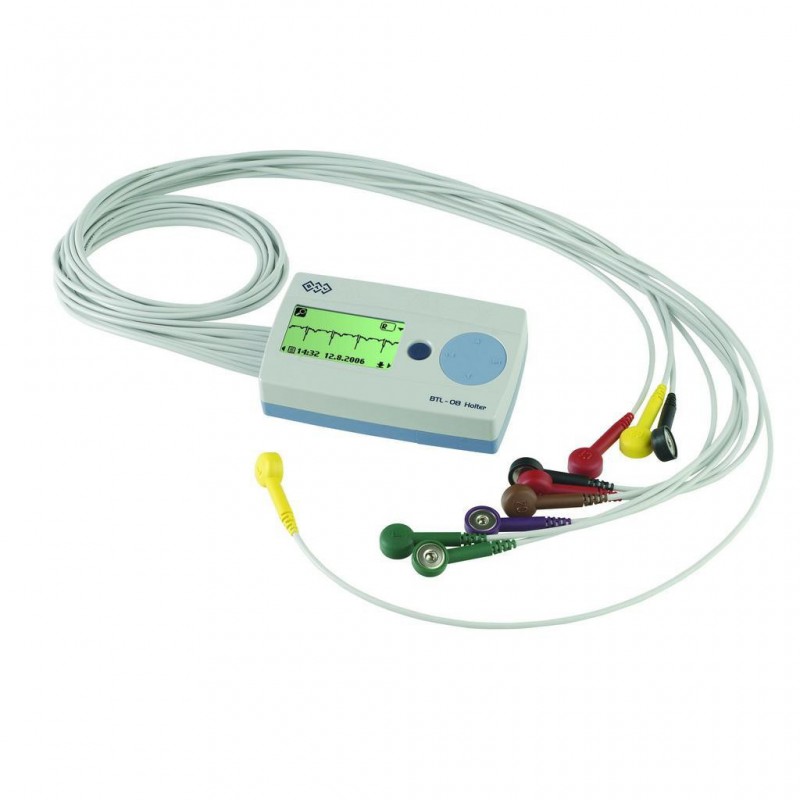
- Holter ECG monitoring – records the heartbeat during everyday activities and sleep and can help investigate intermittent symptoms.
- Echocardiography – an ultrasound scan assessing the structure of the heart, its valves and function.
- Blood tests – selected as appropriate, such as a full blood count, electrolytes and thyroid function tests.
An ECG, Holter ECG monitoring and a transthoracic echocardiogram do not use ionising radiation and can be performed during pregnancy when indicated. A normal short ECG recording does not rule out an intermittent arrhythmia.
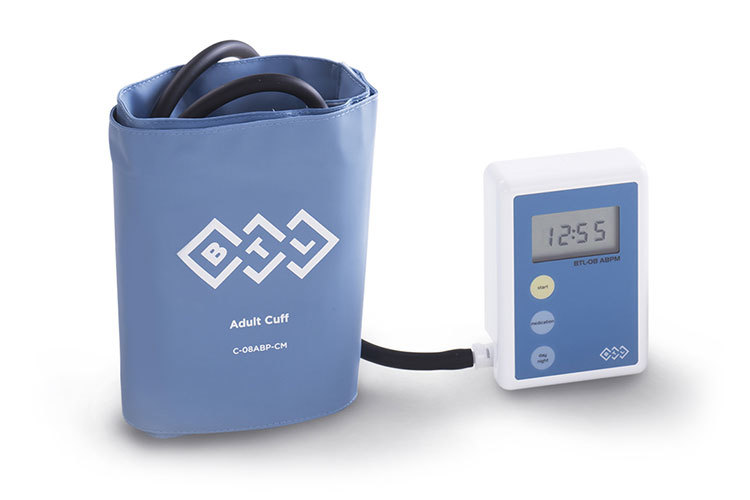
Ambulatory blood pressure monitoring measures blood pressure. It may be recommended when a blood pressure problem is suspected, but it does not replace Holter ECG monitoring for assessing heart rhythm.
How are heart rhythm problems treated in pregnancy?
Not every arrhythmia needs medication. Monitoring, treating an underlying cause, maintaining hydration and reducing triggers may be enough in some cases. When cardiac treatment is needed, the choice takes account of the type of arrhythmia, the mother's condition and the baby's safety.
Do not stop prescribed medicines yourself after finding out that you are pregnant. Contact your doctor to review them. Significant heart disease requires cooperation between the cardiologist and the clinician managing your pregnancy, sometimes with care at a specialist hospital.
How to prepare for your cardiology appointment
Bring your pregnancy records, previous ECGs, blood test results and any echocardiogram reports, together with a list of medicines and supplements. Note when symptoms occur, how long they last and whether there is breathlessness, pain or dizziness. If you have an ECG recording from a personal device, show it to the doctor; it does not replace a full assessment.
%20(Ma%C5%82y).jpg)
Cardiologist for palpitations in pregnancy in Gdańsk
Cardiology consultations at Tartaczna 2 Medical Centre are provided by Dr Andrzej Pecka. When booking, let reception know that you are pregnant and describe your main symptoms.
Book using the appointment calendar below or contact our reception team: +48 58 719 10 25, kontakt@tartaczna2.pl.