
Tartaczna 2


 back
back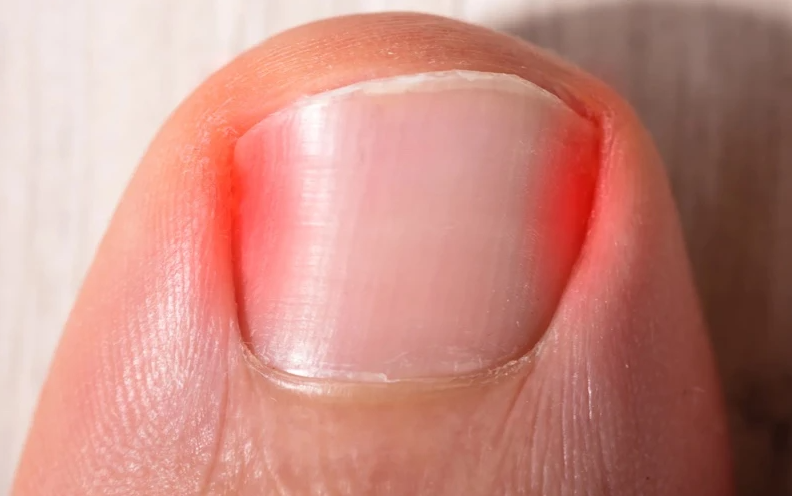
Ingrown Toenail Treatment Gdańsk
Ingrown Toenail Treatment in Gdańsk
We provide conservative and surgical treatment for ingrown toenails in Gdańsk, depending on the severity of the condition, inflammation and previous recurrence. At Tartaczna 2 Medical Centre in Gdańsk city centre, the surgeon examines the nail plate and nail fold and recommends an appropriately conservative treatment method.
The problem most commonly affects the big toe. Typical symptoms include pain, tenderness, redness and swelling along the edge of the nail. More advanced cases may also involve granulation tissue, discharge or a local infection.
Appointments: +48 58 719 10 25 | Address: Tartaczna 2/1A, 80-839 Gdańsk, city centre
When should an ingrown toenail be assessed by a surgeon?
Medical assessment is advisable when pain makes walking difficult, the condition keeps returning despite appropriate nail care, or there is clear inflammation. Earlier assessment is particularly important in cases involving:
- recurrent ingrowth along the same edge of the nail,
- persistent pain and tenderness while walking,
- redness and swelling of the nail fold,
- granulation tissue, discharge or pus,
- no improvement with conservative treatment,
- diabetes, poor circulation, neuropathy or reduced immunity.
If you are unsure whether surgery is needed, book an assessment with a general surgeon in Gdańsk. Not every ingrown toenail requires removal of part of the nail plate.
Conservative treatment or surgery?
Early-stage ingrown toenails may sometimes be managed conservatively with appropriate nail care, pressure relief and, depending on the findings, specialist foot care. If there is significant inflammation, granulation tissue, persistent pain or repeated recurrence, the surgeon may recommend a procedure.
The extent of treatment is decided individually. In many cases, only the narrow side of the nail that is growing into the nail fold is removed, leaving the rest of the nail intact. For recurrent cases, the doctor may consider treating the relevant part of the nail matrix to reduce regrowth of the troublesome edge.
How is ingrown toenail surgery performed?
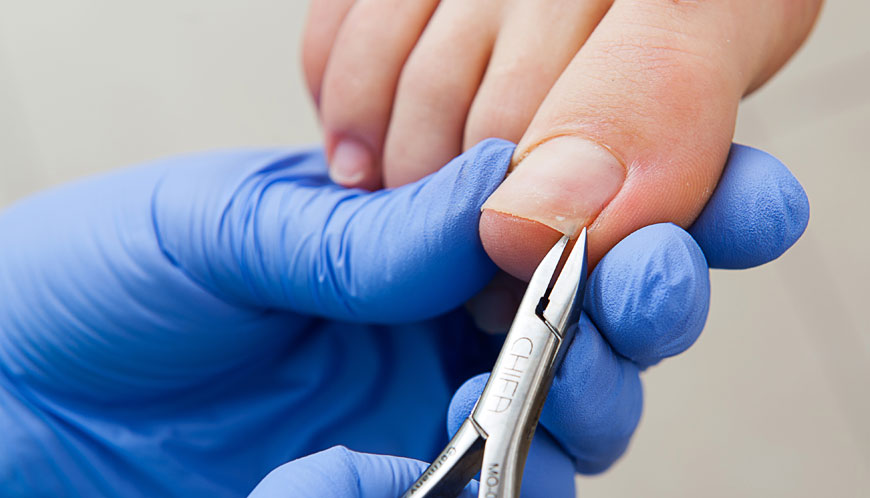
The procedure is performed on an outpatient basis, usually under local anaesthesia of the toe. Once the area is numb, the surgeon removes the section of nail irritating the nail fold and, if indicated, treats inflamed tissue or the relevant part of the nail matrix. A dressing is then applied and you receive detailed aftercare instructions.
How should you prepare?
Do not cut deeply into or lift the nail yourself before the appointment. Wear loose footwear that will not press on the dressing after treatment. Tell the doctor if you have diabetes, poor circulation, problems with wound healing or allergies, take medicines that affect blood clotting, or are currently being treated for an infection.
Healing and aftercare
After the procedure, follow the instructions regarding dressings, hygiene and reducing pressure on the treated toe. Healing time depends on the extent of treatment, the presence of inflammation, other medical conditions and the individual response of the tissues. Complete nail removal, when necessary, usually takes longer to heal than a partial procedure.
Increasing pain, spreading redness, swelling, fever or purulent discharge requires medical advice. Patients with diabetes, reduced blood supply to the foot or neuropathy should report concerning symptoms particularly promptly.
Frequently asked questions
Does the entire nail need to be removed?
Usually not. In many cases, removing a narrow section along the ingrowing side is sufficient. Complete removal of the nail is considered only in selected circumstances.
Can an ingrown toenail return?
Recurrence is possible. The risk depends on factors including the shape of the nail, trimming technique, footwear, the procedure performed and whether the part of the matrix responsible for regrowth of the nail edge was treated.
Can I walk after the procedure?
Patients can usually leave the clinic without assistance, but prolonged walking, pressure on the toe and strenuous exercise should be limited for the first few days in accordance with the surgeon’s advice.
Ingrown toenail treatment in Gdańsk – appointments
Procedures are performed by Natalia Spychalska, MD, and Kamil Drucis, MD, PhD. To arrange a consultation or procedure, call +48 58 719 10 25.