Tartaczna 2


 back
back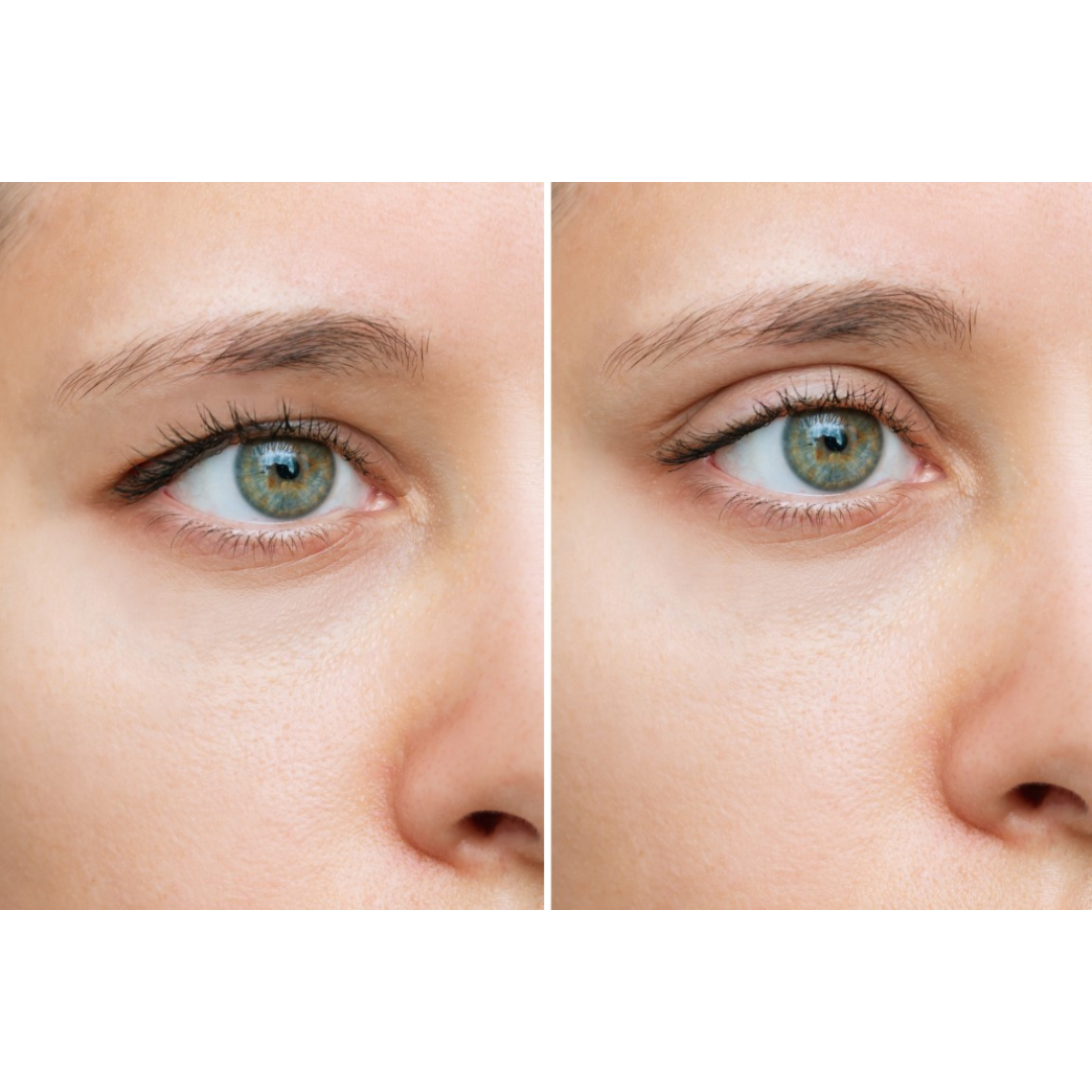
Upper eyelid surgery in Gdańsk
Upper blepharoplasty – Fraxx radiofrequency or CO₂ laser
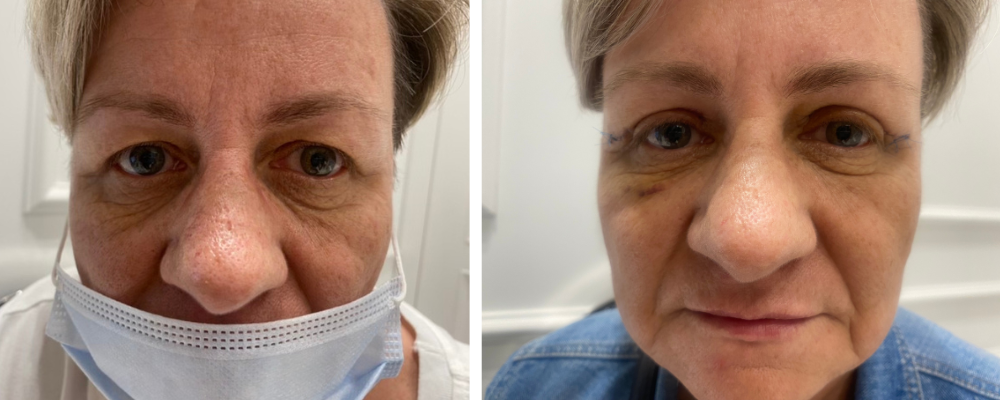
Upper eyelid surgery, or upper blepharoplasty, removes excess skin and, where appropriate, reshapes other eyelid tissues. It aims to reduce the fold of skin above the eye and improve the upper eyelid contour. Surgery may also improve function when overhanging skin restricts the upper field of vision.
At Tartaczna 2 Medical Centre in Gdańsk, the procedure is performed by Dr Natalia Spychalska. Our service covers upper eyelids only. We use Fraxx radiofrequency or a CO₂ laser, selected during the consultation.
.png)
.png)
When might upper eyelid surgery be appropriate?
- Excess skin folding over the upper eyelid crease.
- A feeling of heavy eyelids related to excess tissue.
- Overhanging skin restricting the upper field of vision.
- A wish to change the appearance of the upper eyelids after discussing realistic outcomes and limitations.
Drooping of the eyelid margin, known as ptosis, and a lowered eyebrow may require different treatment. Your doctor assesses these possibilities. Upper blepharoplasty does not treat lower eyelid bags or fill tear trough hollows.
Fraxx radiofrequency or CO₂ laser blepharoplasty?
Fraxx uses radiofrequency energy to cut and coagulate tissue. A CO₂ laser can also be used as a surgical cutting tool to remove excess skin. Both approaches involve an operation, a planned excision and usually stitches; they are different from non-surgical eyelid tightening.
A CO₂ laser may be considered when radiofrequency is contraindicated or requires particular precautions, for example in a person with a pacemaker. A pacemaker or implantable cardioverter-defibrillator requires an individual assessment. Bring information about your device. Advice from your treating specialist may be needed. Choosing a laser does not automatically make someone suitable for surgery.
Neither technique eliminates the possibility of swelling, bruising or a scar. The choice depends on your health, eyelid anatomy and surgical plan.

Preparing for upper eyelid surgery
The consultation covers eye conditions, dry eyes, previous operations, long-term health conditions, allergies and medicines. An ophthalmology assessment or additional tests may be needed.
Bring a list of medicines and supplements, particularly those affecting blood clotting. Do not stop prescribed medication yourself. You will receive individual advice about preparation, smoking and skin care. Attend without eye make-up and arrange transport home.
What happens during blepharoplasty?
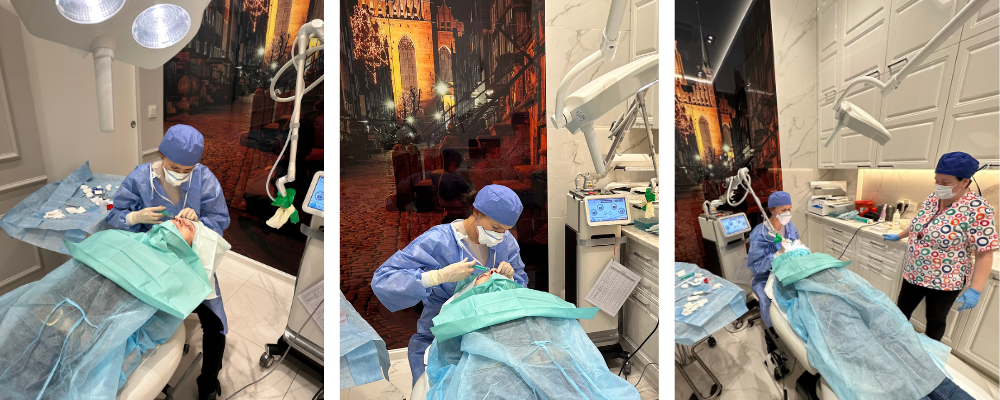
We perform the operation under local anaesthesia. After marking the incision, the doctor removes the planned amount of tissue and closes the wound with stitches. The incision is usually placed in the natural upper eyelid crease. Anaesthesia reduces pain, although the injection can briefly sting.
The extent and duration of surgery depend on your anatomy and the complexity of the procedure. Before leaving, you receive aftercare instructions and details of your follow-up appointment.

Recovery and aftercare
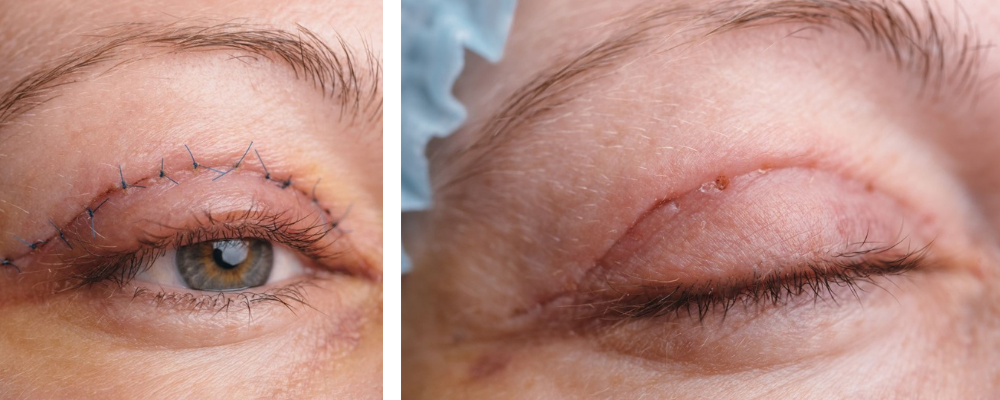
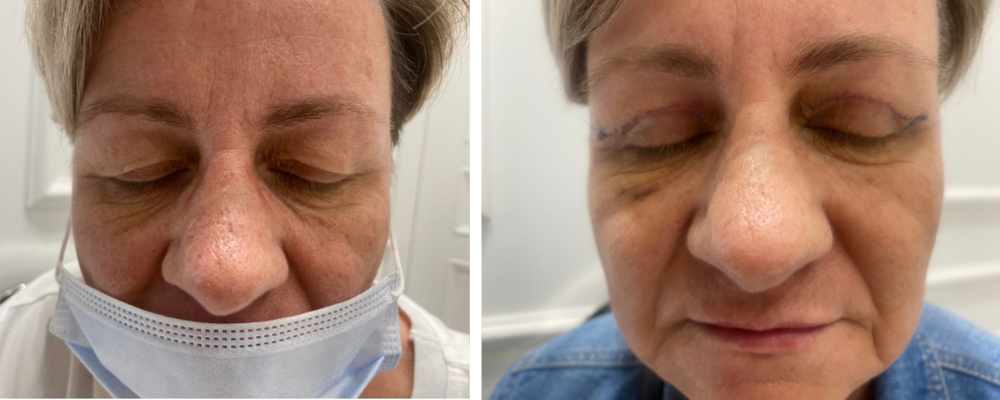
Swelling, bruising, tightness and temporary dry eyes can occur in the first few days. Returning to work depends on how you feel and the type of work you do. Visible signs of surgery often last around 1–2 weeks, sometimes longer. The scar continues to mature over the following months.
- Care for the wound and use prescribed products as instructed.
- Avoid rubbing your eyelids and protect the area from injury and sunlight.
- Limit exercise, bending and heavy lifting for the period advised.
- Resume eye make-up and contact lenses only when your doctor advises that it is appropriate.
- Attend follow-up and have stitches removed as arranged, often about one week after surgery.
Results and possible complications
The result is assessed after swelling settles and the tissues heal. Surgery can reduce excess skin but does not stop ageing. Perfect symmetry and an invisible scar cannot be guaranteed.
Complications can include bleeding, infection, delayed healing, asymmetry, dry eyes and difficulty closing the eyes. Serious eye complications are rare. Sudden changes in vision, severe increasing eye pain or rapidly worsening swelling require urgent medical attention.

Consultation and treatment in Gdańsk
At Tartaczna 2 Medical Centre, upper eyelid surgery is performed by Dr Natalia Spychalska.
Book using the appointment calendar below or contact our reception team: +48 58 719 10 25, kontakt@tartaczna2.pl. Your treatment plan and cost are agreed after assessment.