Tartaczna 2


 back
back
24-hour blood pressure monitoring Gdańsk
Ambulatory blood pressure monitoring – preparation, testing and results
Ambulatory blood pressure monitoring, or ABPM, measures blood pressure automatically, usually over 24 hours. The monitor takes readings at set intervals during everyday activities and sleep. This gives the doctor a broader picture than a single measurement at an appointment.
ABPM is available at Tartaczna 2 Medical Centre in Gdańsk. Dr Andrzej Pecka provides cardiology consultations, interprets results and advises on treatment.
What does 24-hour blood pressure monitoring show?
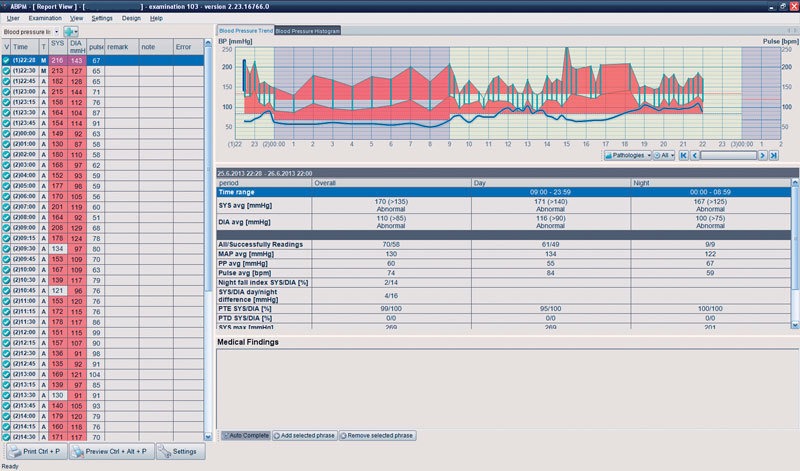
The report includes average blood pressure for the whole recording, waking hours and sleep, as well as individual readings. It can help assess whether blood pressure falls at night and how it behaves during your usual routine.
ABPM takes intermittent readings rather than measuring every second. It does not record an ECG and cannot replace Holter ECG monitoring for investigating arrhythmias. Pulse readings in the report are not a full assessment of heart rhythm.

When might ABPM be recommended?
- To help confirm a diagnosis of high blood pressure.
- When white-coat hypertension is suspected: higher readings in the clinic than outside it.
- When masked hypertension is suspected: normal clinic readings but raised blood pressure during daily life.
- To assess blood pressure control during treatment, including overnight.
- To investigate suspected low blood pressure episodes, for example related to medicines, when monitoring may help.
During pregnancy, the doctor decides whether monitoring is appropriate and how to interpret the results. The choice of a device validated for pregnancy and a correctly sized cuff also matters.
How to prepare for blood pressure monitoring
You do not need to fast. Shower before the monitor is fitted and wear clothing with a loose sleeve that can accommodate the cuff. Bring a medicine list and any previous blood pressure readings.
Do not stop medicines or change doses yourself. The test is often intended to assess how your existing treatment is working. Tell the staff about arm problems, a vascular fistula, lymphoedema or other restrictions on cuff placement.
What happens during the 24-hour test?
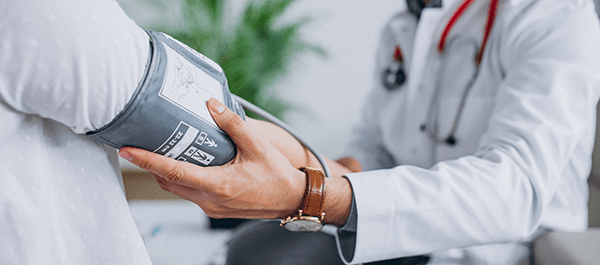
Staff choose a cuff suited to your arm size, connect it to the recorder and take a test reading. The device then starts further measurements automatically, usually more often during the day than at night. You will receive instructions about wearing it and keeping a diary.
When the cuff inflates, pause in a safe place, relax your arm, keep it still and avoid talking. Do not compress or kink the tubing. Resume normal activities after the measurement finishes.
What should you do or avoid during monitoring?
- Follow a reasonably typical daily routine while observing the device instructions.
- Record the times of medicines, meals, activity, symptoms and sleep. Note any coffee you drink.
- Keep the equipment dry. Do not bathe, shower or swim during the recording.
- Avoid activities that could displace the cuff or damage the equipment.
- Do not deliberately change your habits simply to obtain a better result.
Brief pressure from cuff inflation is expected. If you develop severe persistent pain, numbness or a change in the colour of your hand, stop the measurement and loosen or remove the cuff, then contact the staff.
How should I sleep with a blood pressure monitor?
Position the recorder and tubing as instructed so that they are not compressed or pulled. Choose a comfortable sleeping position. The cuff will inflate during the night and may disturb your sleep. Record any disruption and your actual sleeping and waking times in the diary.
Repeated inflation may mean that an earlier reading was unsuccessful, for example because of movement. A beep alone does not indicate dangerously high blood pressure. Follow the instructions and contact the centre if problems keep occurring.
ABPM readings and the diagnosis of hypertension
For adults outside pregnancy, the following average ABPM thresholds are used when diagnosing hypertension:
- 24 hours: systolic blood pressure of at least 130 mmHg or diastolic pressure of at least 80 mmHg,
- waking hours: at least 135 mmHg or 85 mmHg,
- sleep: at least 120 mmHg or 70 mmHg.
These are diagnostic thresholds, not identical treatment targets for everyone. A single high reading is not enough to interpret the whole test. The cardiologist considers recording quality, average readings, symptoms, medicines and other medical conditions.
Results and further treatment
The recording is analysed after you return the device. If too many readings are technically invalid or the recording day was unrepresentative, your doctor may recommend repeating the test. The results help confirm a diagnosis or assess whether treatment needs to change.
ABPM does not provide a live emergency response service. Severe chest pain, sudden breathlessness or signs of a stroke require urgent help: call 112 or 999 in Poland, whether or not you are wearing a monitor.
Blood pressure monitoring in Gdańsk – fees and appointments
Ask reception about current fees, fitting and return appointments, and what is included in the service, such as the report and any consultation.
You can review your results with Dr Andrzej Pecka. To book, contact the Tartaczna 2 reception team: +48 58 719 10 25 or kontakt@tartaczna2.pl.