Tartaczna 2


 back
back
Holter ECG monitoring Gdańsk
Ambulatory heart rhythm monitoring – preparation and what to expect
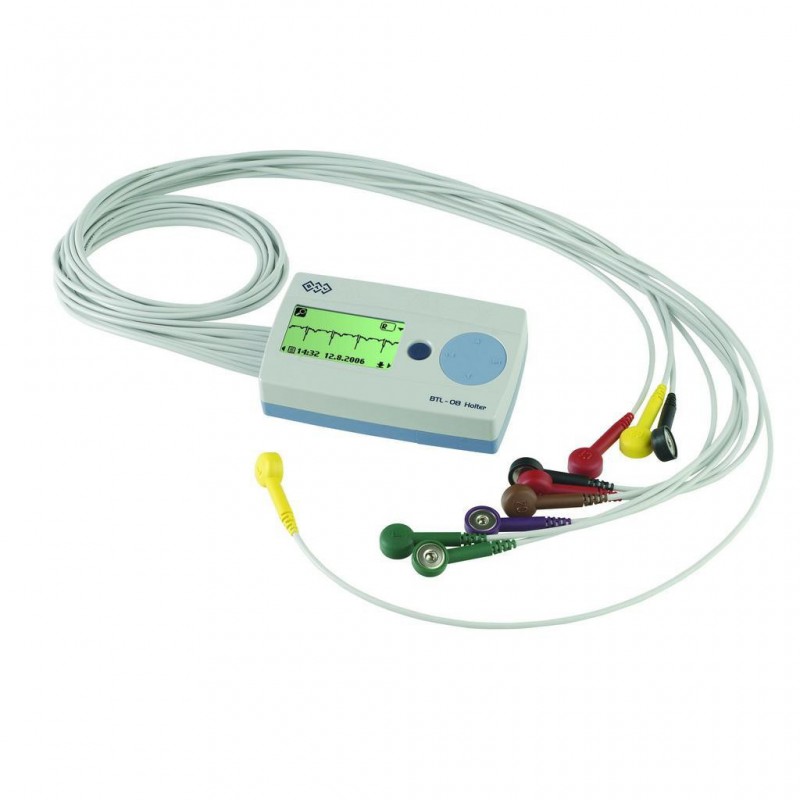
A Holter ECG monitor is a portable device that records the heart's electrical activity during everyday activities and sleep. It helps detect rhythm disturbances that may not occur during a short ECG at an appointment. Recordings commonly last 24 or 48 hours; your doctor will decide whether longer monitoring is needed.
Holter ECG monitoring is available at Tartaczna 2 Medical Centre in Gdańsk. Dr Andrzej Pecka provides cardiology consultations and reviews test results.
What can a Holter ECG detect?
The recording shows heart rate and rhythm, extra beats, episodes of fast or slow rhythm and certain conduction disturbances. Comparing the ECG with the times of your symptoms is an important part of the assessment.
A Holter can help identify intermittent atrial fibrillation and other arrhythmias. It does not assess the structure of the heart, measure blood pressure or rule out every cardiovascular condition. If an episode does not occur during the recording, a normal result cannot exclude an intermittent rhythm problem.

When might Holter monitoring be recommended?
Your doctor may recommend it for:
- recurrent palpitations or an irregular heartbeat,
- episodes of an unusually fast or slow heartbeat,
- fainting, near-fainting or dizziness when a cardiac cause is suspected,
- a suspected arrhythmia not captured on a resting ECG,
- assessment of treatment for a heart rhythm disturbance.
The recording period is chosen according to how often symptoms occur. Infrequent episodes may require a different type of monitor or a longer recording.
How to prepare for a Holter ECG
- You do not need to fast. Take your medicines as prescribed unless your doctor advises otherwise.
- Shower before the monitor is fitted. The skin on your chest should be clean and dry, without creams or body lotion.
- Wear comfortable clothing that allows electrodes to be fitted and the recorder to be carried.
- Bring a medicine list, previous ECG results and any recommendation about the recording duration.
- Tell the staff about adhesive allergies, skin conditions or an implanted cardiac device.
Staff may prepare the electrode sites, including clipping chest hair if needed. They will explain how to wear the recorder and use any symptom button provided.
What happens during the test?
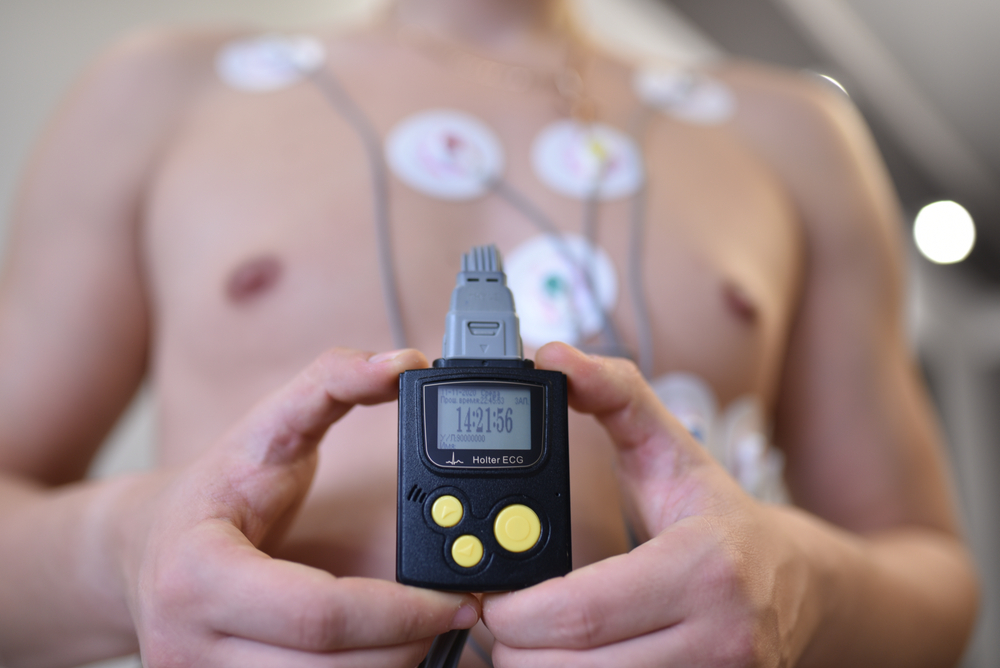
Electrodes are attached to your chest and connected to a small recorder. Once the recording has been checked, you can leave the centre and carry out your usual activities, following the instructions provided. The test does not deliver electricity into your body or use ionising radiation.
Keep a diary of sleep, medicines, activity and symptoms, noting the times. Record episodes such as palpitations, dizziness or chest discomfort. Return the monitor and diary at the agreed time.
What should you avoid while wearing a Holter?
Keep the recorder and electrodes dry. Do not bathe, swim or disconnect the leads unless staff have specifically confirmed that this is permitted with your device. Avoid contact sports and activities that could pull off the electrodes or damage the recorder. Strong magnetic fields can interfere with the recording; do not enter an MRI scanning area while wearing a Holter.
Skin irritation can occur beneath the electrodes. If an electrode comes off, the recorder stops working or you develop a significant skin reaction, contact the centre and follow the instructions you were given.
Holter ECG: mobile phones, sleep and beeping
Can I use my mobile phone?
Usually, yes. Do not place the phone directly on the recorder or carry it immediately beside the device. Follow the recommended separation in the instructions, often at least 15 cm. Any separate advice for your pacemaker or implantable cardioverter-defibrillator still applies.


How should I sleep with a Holter?
Choose a comfortable position that does not pull on the leads or put pressure on the recorder. There is no single required sleeping position for every patient. Note when you sleep and any symptoms during the night.
What does it mean if the monitor beeps?
A sound may relate to the device's operation, battery or electrode connection. A beep alone does not diagnose an arrhythmia. Check the instructions provided and contact the staff if you are unsure.
Holter ECG results and follow-up
The recording is analysed after the test. The doctor assesses its quality, heart rhythm and relationship to your symptoms. The findings may lead to monitoring, a change in treatment or further investigations. Ask about the reporting time when booking.
A standard Holter does not provide a live emergency response service. Seek urgent help for severe chest pain, sudden breathlessness or fainting. In Poland, call 112 or 999. Do not wait for the recording to be reviewed.

Holter ECG in Gdańsk – fees and appointments
Ask reception about current fees, the recording duration and when to return the monitor. Please also confirm whether the fee includes the report and a consultation.
You can arrange a review of your results and further care with Dr Andrzej Pecka. To book the test, contact the Tartaczna 2 reception team: +48 58 719 10 25 or kontakt@tartaczna2.pl.