Tartaczna 2
Discover the quality of healthcare in the style of Tartaczna2!

 back
back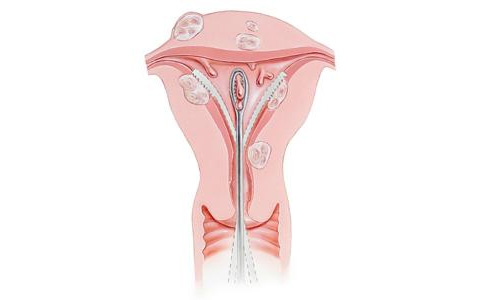
An endometrial aspiration biopsy involves taking a small sample of the tissue lining the womb for histopathological examination. It helps diagnose endometrial hyperplasia, cancerous changes and, with appropriate assessment of the sample, chronic endometritis.
At Tartaczna 2 Medical Centre in Gdańsk, the procedure is performed by Dr Marek Korożan, Dr Dominika Kozikowska and Dr Volha Khitrun. The sample is collected in an outpatient gynaecology clinic, usually without hospital admission or general anaesthesia.
The endometrium is the tissue lining the inside of the womb. Its appearance and thickness change in response to hormones, including during different phases of the menstrual cycle.
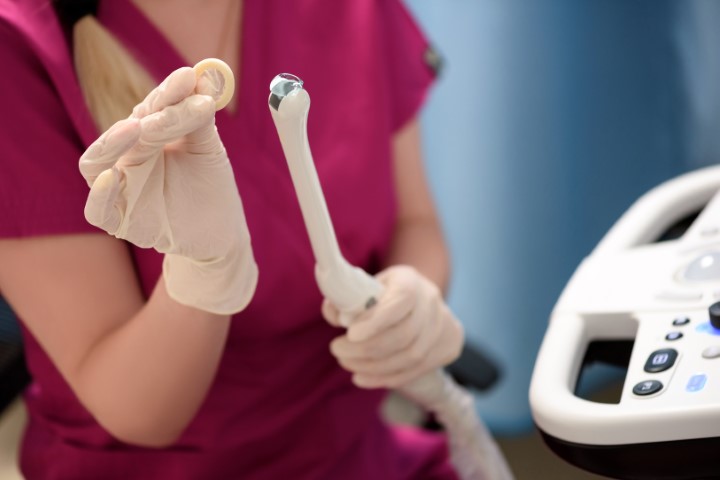
During an aspiration biopsy, the doctor passes a thin tube through the cervix to collect a small amount of tissue. The sample is sent to a laboratory, where a pathologist examines it under a microscope. A commonly used technique is a Pipelle biopsy.
This is a tissue examination, not a cervical smear test. It assesses a different part of the reproductive system and addresses different diagnostic questions.
Sampling may be indicated in situations such as:
A thickened endometrium on ultrasound does not always indicate disease or mean that a biopsy is necessary. The significance of the finding depends on factors including age, menstrual cycle phase, symptoms and hormonal treatment.
Bleeding after the menopause requires a gynaecological assessment, even if it is light or has happened only once.
If chronic endometritis is suspected, histopathological assessment can be supplemented with CD138 immunohistochemical staining. This helps identify plasma cells, which are important in diagnosing this type of inflammation.
CD138 is not a blood test or a stand-alone test that can be interpreted independently of the tissue findings. The pathologist assesses factors such as the type, location and number of stained cells. The presence of CD138-positive cells alone does not establish the diagnosis.
Assessment criteria may vary between laboratories. The result should be discussed with your gynaecologist, taking account of symptoms, the reason for the biopsy and other investigations. Any additional stains are selected to address a specific diagnostic question.
An endometrial biopsy is not a routine investigation for everyone having difficulty conceiving. It is also not a standard test for diagnosing hormonal disorders or confirming ovulation.
Investigations for chronic endometritis may be considered in selected cases, including recurrent implantation failure. Your doctor will assess whether tissue sampling and CD138 testing could influence further care.
The examination does not guarantee that the cause of infertility will be identified or that the chances of pregnancy will improve. Extensive immune cell testing, including natural killer (NK) cell testing, is not a routinely recommended diagnostic panel.
Not always. An aspiration biopsy collects an endometrial sample without directly viewing the inside of the womb. It can therefore miss a focal abnormality, such as a polyp.
If a focal abnormality is suspected, bleeding persists or the biopsy result does not explain the symptoms and ultrasound findings, your doctor may recommend hysteroscopy with a targeted biopsy. Hysteroscopy uses a camera to examine the inside of the womb.
Sometimes the sample is too small for a reliable assessment. A result described as insufficient or non-diagnostic does not mean that the findings are normal; the next steps need to be agreed with your doctor.
An endometrial biopsy must not be performed during pregnancy. A suspected active infection needs to be assessed before the procedure.
The timing depends on the reason for the examination, the pattern of bleeding and the planned laboratory assessment. There is no single cycle day that is suitable for every patient.
If the biopsy is intended to investigate chronic endometritis, agree the timing with your doctor beforehand. If cancerous changes are suspected, do not postpone investigations until another cycle without medical advice.
After explaining the examination and obtaining your consent, the doctor inserts a speculum to view the cervix and passes a thin sampling instrument into the womb. Collecting the sample usually takes only a short time, but the appointment also includes assessment and aftercare advice.
You may experience period-like cramps. Some patients feel mild discomfort, while others experience more significant pain. It is worth discussing the available pain relief options before the examination.
If the pain is too severe or you feel faint, tell your doctor. The procedure can be stopped, and an alternative sampling method or appropriate anaesthetic arrangements can be discussed.
Light spotting and temporary lower abdominal cramps may occur after the examination. You can return to everyday activities when you feel well enough. Follow the advice you receive about hygiene, intercourse and any pain relief.
Rare complications include infection, heavy bleeding and injury to the wall of the womb. A fainting reaction may also occur.
Seek prompt medical advice if you develop a fever, severe or worsening abdominal pain, heavy bleeding or offensive-smelling vaginal discharge. If symptoms are severe, attend a hospital emergency department.
The sample is assessed in a histopathology laboratory. The waiting time depends on the investigations required; additional immunohistochemical staining, such as CD138, may take longer. Please confirm the expected timeframe and how you will receive your results during your appointment.
Discuss the result with your gynaecologist. Your doctor will advise whether treatment, follow-up, repeat sampling or further investigations are needed.
The cost depends on the scope of the procedure and the laboratory tests requested. When booking, please confirm whether the price includes sample collection, histopathological examination, any CD138 testing and a consultation to discuss the results.
Our reception team at Tartaczna 2 Medical Centre can provide current prices and preparation instructions.
Endometrial aspiration biopsies at our medical centre are performed by:
Visit Tartaczna 2 Medical Centre at 2 Tartaczna Street in Śródmieście, central Gdańsk. When booking, specify that you require an endometrial biopsy and mention if CD138 assessment has been recommended.
Call +48 58 719 10 25, visit our contact and booking page, or check available appointments on the Tartaczna 2 Medical Centre profile on ZnanyLekarz.