
Tartaczna 2


 back
back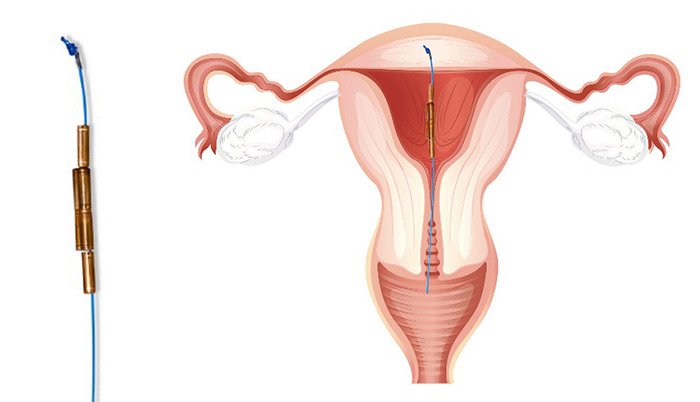
GyneFix Copper Coil Gdańsk – Hormone-Free Contraception
Frameless copper IUD – consultation, fitting and removal
GyneFix is a hormone-free copper contraceptive device without a rigid frame. It provides long-term, reversible contraception without the need to take a daily pill.
At Tartaczna 2 Medical Centre in Gdańsk, Dr Marek Korożan provides assessment, fitting and removal of the GyneFix copper coil. A consultation, including a gynaecological examination and ultrasound scan, is required before insertion.
What is the GyneFix copper coil?
GyneFix is a frameless intrauterine device (IUD). GyneFix 200 contains four copper sleeves, while GyneFix 330 contains six. These are threaded onto a surgical thread, with its upper end anchored in the muscle at the top of the uterus.
Unlike a traditional T-shaped coil, the device has no horizontal arms. Assessment includes checking the anatomy of the uterus and whether the device can be anchored correctly.
How does GyneFix work, and how long does it last?
The copper ions released by the device affect sperm function and movement, making fertilisation less likely. GyneFix contains no hormones and does not work by suppressing ovulation.
GyneFix 200 and GyneFix 330 are intended for use for up to 5 years. The device must then be removed or replaced. You can also have it removed sooner if your plans change.
It is a highly effective method that does not require daily action. However, no contraceptive method provides complete protection against pregnancy.
Who may be suitable for GyneFix?
GyneFix may be considered by women who:
- want long-acting, hormone-free contraception,
- prefer not to use, or cannot use, certain hormonal methods,
- want contraception without having to remember a daily pill,
- wish to retain the option of trying for a pregnancy after removal.
Not having given birth does not, in itself, rule out intrauterine contraception. This also applies to other appropriately selected coils, not just GyneFix. Suitability depends on your health and uterine anatomy.
GyneFix and periods – can bleeding become heavier?
Hormone-free does not mean that bleeding patterns will remain unchanged. Spotting may occur after insertion, and periods may become heavier, longer or more painful, particularly initially. These symptoms improve over time for some women.
GyneFix is not a treatment for heavy periods. If you already have heavy menstrual bleeding, anaemia or fibroids, a detailed assessment and discussion of alternative contraceptive options are necessary.
Consultation and tests before GyneFix fitting
At our centre, a consultation with Dr Marek Korożan, who will perform the insertion, is required before the procedure. This includes a medical history, gynaecological examination and transvaginal ultrasound scan to assess the uterus and whether the device can be anchored safely.
Bring your latest cervical screening results, including liquid-based cytology (LBC), and your HPV result if you have had one. Our clinic requires a normal cervical cytology result from within the previous 6 months before this procedure. This is a clinic requirement for GyneFix fitting, rather than a general recommendation to have cervical cytology every 6 months.
Tell the doctor about your last period, current contraception, any unprotected sex, heavy bleeding, previous infections and medicines you take. Additional tests are arranged when indicated.
When is GyneFix unsuitable?
Conditions that prevent insertion or require further investigation beforehand include:
- pregnancy or an inability to reliably exclude pregnancy,
- active pelvic inflammatory disease or a cervical infection,
- unexplained vaginal bleeding,
- suspected cervical or endometrial cancer,
- uterine abnormalities that prevent safe placement and anchoring,
- an allergy to copper or another component of the device, or Wilson’s disease.
The manufacturer also lists anaemia as a contraindication. An abnormal cervical cytology result requires interpretation and an appropriate follow-up plan — it does not always mean that all forms of intrauterine contraception are permanently unsuitable.
When can GyneFix be fitted – during the cycle and after childbirth?
Insertion can be planned at different points in the menstrual cycle if the doctor can reliably exclude pregnancy. The timing is agreed during your consultation; being on your period is not a universal requirement for coil fitting.
GyneFix 200/330 is not intended for insertion immediately after childbirth. The manufacturer’s Polish patient leaflet recommends waiting at least 8 weeks, until the uterus has returned to its usual size and at least one normal period has occurred. For women who are breastfeeding, it recommends waiting 12 weeks after a full-term birth and until periods have returned.
Confirm the timing of your assessment with the doctor. Instructions for other devices, including those designed for insertion during a caesarean birth, should not automatically be applied to GyneFix 200/330.
How is GyneFix fitted, and does insertion hurt?
The procedure takes place in the gynaecology clinic. The doctor inserts a speculum, prepares the cervix and uses a dedicated applicator to introduce the device and anchor it at the top of the uterus. Its position is then checked by ultrasound.
At our centre, local anaesthesia is applied to the cervix. You may still experience cramping or pain of varying intensity during the procedure. Discuss any pain relief to take before the appointment, including the appropriate dose, with your doctor.
Aftercare following GyneFix insertion
According to the manufacturer’s Polish patient leaflet for GyneFix 200/330:
- avoid sexual intercourse for 14 days,
- do not use tampons or menstrual cups during the first 2 months,
- do not pull on the device’s thread,
- arrange your first follow-up appointment after 4–8 weeks, followed by checks at least once a year.
Keep your device card showing the insertion date and replacement deadline. You will receive individual aftercare instructions following the procedure.
Possible complications – when to seek medical advice
Cramping and spotting can occur after insertion. Less common complications include infection, displacement or expulsion of the device, and perforation of the uterine wall.
Seek prompt medical assessment if you develop increasing or severe pain, fever, unusual discharge, very heavy bleeding or a positive pregnancy test. If you suspect that the device has moved or come out, use condoms or avoid sex until it has been checked. Tell your doctor if you have already had sex without additional protection.
Can you feel GyneFix during sex?
The device itself sits inside the uterus and should not be felt during intercourse. The end of the thread remains in the vagina. If it causes discomfort for you or your partner, arrange a check-up. The doctor will assess the device’s position and, if necessary, adjust the position or length of the thread.
GyneFix does not protect against sexually transmitted infections. Condoms help reduce the risk of transmission.
GyneFix removal and return to fertility
The device must be removed by a doctor. Fertility can return immediately after removal — pregnancy is possible without waiting for the next menstrual cycle.
If you do not want to become pregnant, arrange ongoing contraception before removal. Use condoms or avoid sex during the 7 days before planned removal, unless your doctor has agreed another way to maintain contraceptive protection.
GyneFix copper coil in Gdańsk – cost and appointments
At Tartaczna 2 Medical Centre, located at 2 Tartaczna Street in Gdańsk’s Śródmieście district, Dr Marek Korożan performs GyneFix fitting and removal.
When booking, please specify whether you need an initial assessment, insertion, follow-up or removal. Our reception team will confirm the current price and explain what it includes.
Doctor profile: Dr Marek Korożan.
Book using the appointment calendar below or contact our reception team: +48 58 719 10 25, kontakt@tartaczna2.pl.

Hormonal Coil (IUD) in Gdańsk – Fitting and Replacement
