Tartaczna 2


 back
back
Tongue-tie in children
Symptoms, feeding difficulties and tongue movement assessment
Tongue-tie, also called ankyloglossia, can restrict tongue movement and affect how the tongue functions. Treatment decisions depend mainly on feeding, tongue function and the child's symptoms. The appearance of the frenulum alone is not enough to determine whether a procedure is needed.
What is the lingual frenulum?
The lingual frenulum is a band of tissue connecting the underside of the tongue to the floor of the mouth. Its structure varies between individuals. A tight or restrictive frenulum may make it difficult to lift or extend the tongue. In some children, however, it causes no difficulties that require treatment.
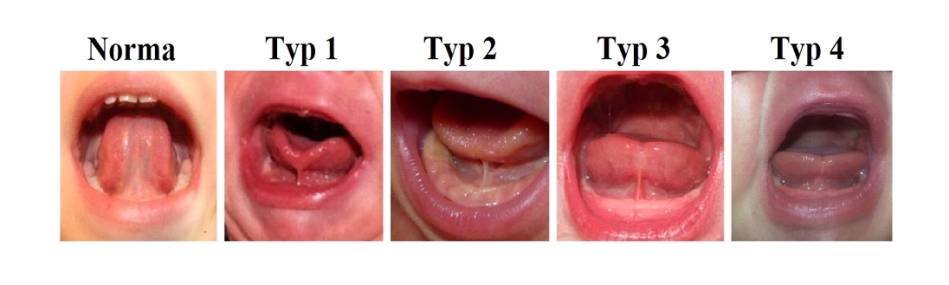
Tongue-tie in babies – signs during feeding
An assessment may be helpful if there are:
- difficulties latching onto the breast or maintaining effective sucking,
- long, ineffective feeds and frequent loss of attachment,
- maternal nipple pain or damage during breastfeeding,
- difficulties taking enough milk or concerns about weight gain.
These symptoms can also have other causes. Reviewing feeding, positioning and attachment is an important part of the assessment. Support from a midwife or lactation consultant may improve feeding and help establish whether restricted tongue movement is contributing to the problem.
If your baby is taking little milk, passing noticeably less urine, unusually sleepy or difficult to wake for feeds, seek urgent paediatric assessment. Do not wait solely for a tongue-tie consultation.
Tongue-tie in older children and speech
Restricted tongue movement can affect certain activities in older children and, in selected cases, articulation. Speech difficulties should be assessed by a speech and language therapist because they can have many causes. Tongue-tie release does not guarantee better speech or replace any speech therapy that is needed.
How does an ENT specialist assess tongue-tie?
The doctor reviews the child's history, examines the mouth and assesses tongue movement and the reported difficulties. In babies, feeding and weight gain are particularly relevant. In older children, tongue function during eating and speaking also matters. A photograph of the frenulum alone is usually insufficient to decide on treatment.
Bring your child's health record, details of feeding difficulties and any assessment from a lactation consultant or speech and language therapist.
Does every tongue-tie need treatment?
No. If your child feeds well and tongue movement is not causing significant problems, observation may be appropriate. A procedure is considered after a functional assessment when the frenulum is contributing to persistent difficulties and suitable nonsurgical support has not helped enough.
The procedure, preparation and aftercare are explained on our separate page about tongue-tie release.
Tongue-tie assessment in Gdańsk
At Tartaczna 2 Medical Centre, Dr Agnieszka Kasprzyk-Tryk, an ENT and paediatric ENT specialist, assesses tongue-tie and discusses the appropriate next steps.
Book through our reception team: +48 58 719 10 25, kontakt@tartaczna2.pl.