Tartaczna 2


 back
back
Amniotic Fluid Leak Test Gdańsk – Actim PROM
Rapid test for detecting amniotic fluid leakage
The Actim PROM amniotic fluid leak test helps assess whether wetness or watery vaginal discharge during pregnancy could be amniotic fluid. The test is available at Tartaczna 2 Medical Centre in Gdańsk.
Your waters breaking does not always involve a sudden gush of fluid. Sometimes amniotic fluid leaks slowly or intermittently and may be difficult to distinguish from normal vaginal discharge or urinary leakage.
Important: suspected leakage of amniotic fluid requires prompt medical assessment. If you notice watery fluid leaking from your vagina, contact a doctor or maternity unit. Do not wait for a routine appointment, particularly if you also experience contractions, vaginal bleeding, fever, an unusual colour of the fluid or reduced fetal movements.
What are PROM and PPROM?
PROM (pre-labour rupture of membranes) means that the membranes surrounding the baby rupture and amniotic fluid begins to leak before regular uterine contractions have started.
If the membranes rupture before 37 completed weeks of pregnancy, this is known as PPROM (preterm pre-labour rupture of membranes).
PPROM occurs in approximately 2–3% of pregnancies and is an important cause of preterm birth. The associated risks and subsequent management depend on factors including gestational age, the condition of the mother and baby, the presence of contractions and any signs of infection.
What does leaking amniotic fluid feel like?
Rupture of membranes may cause either a single gush of fluid or a slow, intermittent trickle. Medical assessment is recommended if:
- you notice watery vaginal discharge that you cannot control by tightening your pelvic floor muscles,
- your underwear repeatedly feels unusually wet,
- you notice a clear or pale wet patch on your underwear or sanitary pad,
- fluid leaks when you change position, cough or move,
- your gynaecologist or obstetrician suspects rupture of membranes.
Symptoms alone do not always make it possible to distinguish amniotic fluid from urine or vaginal discharge. An assessment by a healthcare professional may therefore be required.
Actim PROM test for amniotic fluid leakage
Actim PROM is a rapid test intended for professional use when rupture of membranes is suspected. It detects insulin-like growth factor-binding protein 1 (IGFBP-1) in a vaginal sample.
IGFBP-1 is present in amniotic fluid at a much higher concentration than in maternal blood. When the membranes rupture, amniotic fluid may enter the vagina, allowing this protein to be detected by the test.
Actim PROM is an additional diagnostic tool. Its result is interpreted by a doctor together with the patient’s symptoms, medical history, clinical examination and, where appropriate, other diagnostic findings.

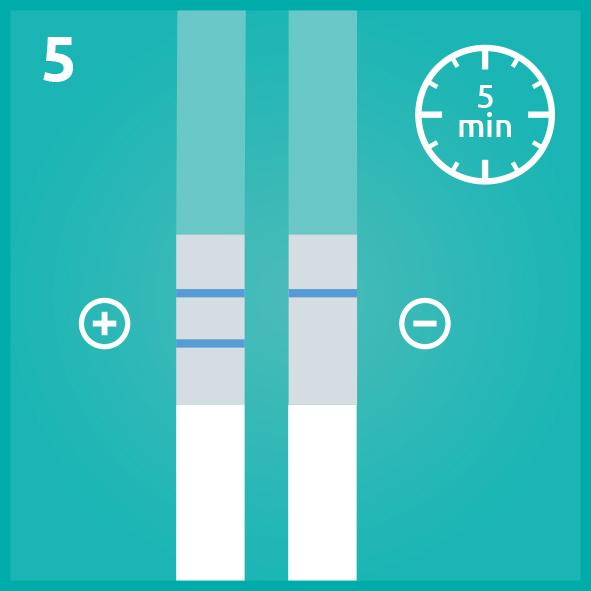
How is the Actim PROM test performed?
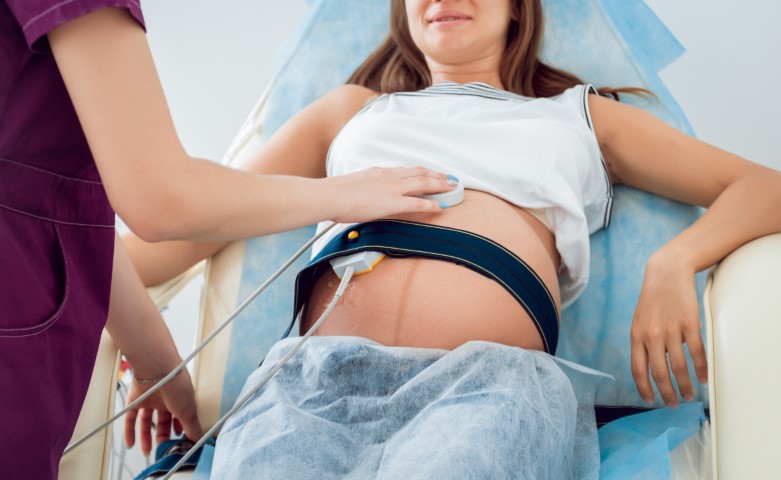
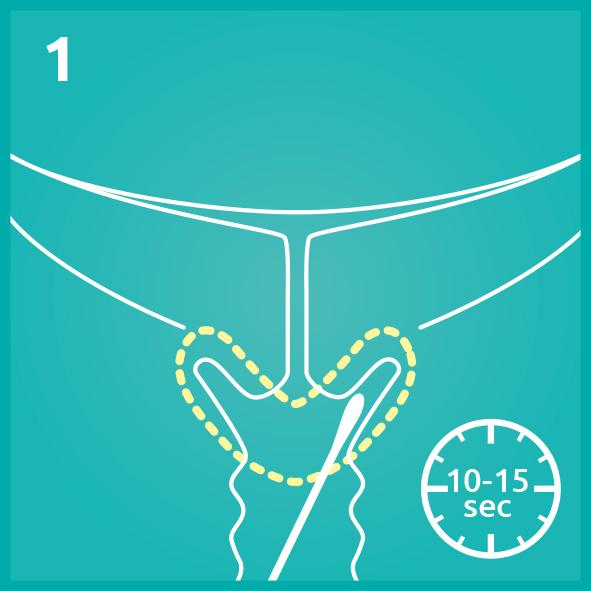
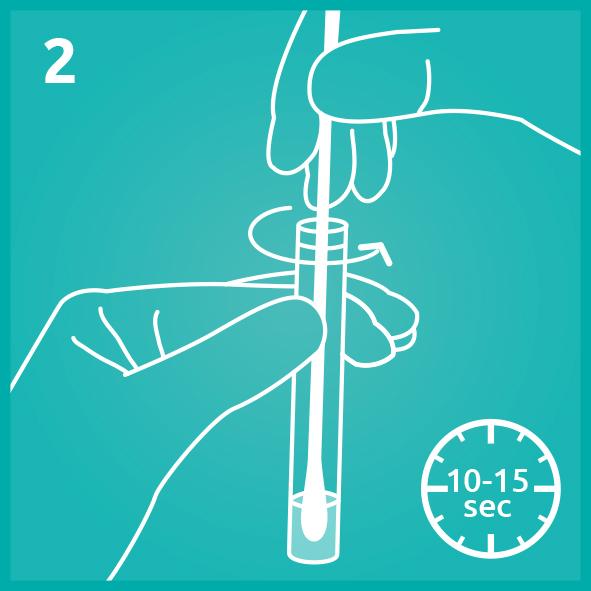
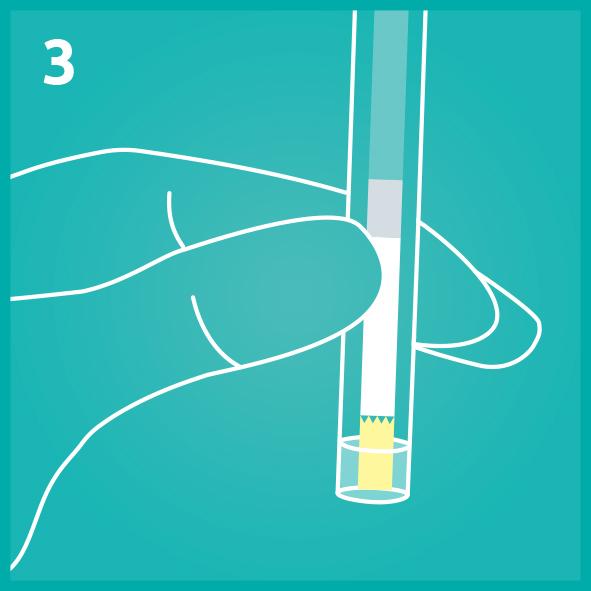
The test is performed by a doctor or another appropriately qualified healthcare professional. A sterile swab is used to collect a sample of vaginal fluid. The swab is then placed in the extraction solution supplied with the test kit, and the test strip is inserted into the prepared sample.
The test is quick and does not require a blood sample. The result is available within a few minutes. Actim PROM is intended for professional use and should not be performed or interpreted independently at home.

How is an Actim PROM result interpreted?
Positive result
A positive result means that IGFBP-1 has been detected in the sample and supports the presence of amniotic fluid in the vagina. However, the result should not be interpreted in isolation. Further management is determined by a doctor after considering the gestational age, symptoms and results of other assessments.
Negative result
A negative result makes rupture of membranes less likely but does not completely exclude it. If fluid leakage persists or recurs, further medical assessment or repeat testing may be required.
Regardless of the test result, persistent or concerning symptoms require further medical assessment.
Why is prompt diagnosis of ruptured membranes important?
Rupture of membranes may increase the risk of intrauterine infection. When it occurs before 37 weeks of pregnancy, it may also increase the risk of preterm birth. In certain circumstances, it may be associated with other obstetric complications.
Prompt diagnosis allows the patient to receive appropriate monitoring and management. Further care depends primarily on gestational age, fetal wellbeing, the presence of contractions and any signs of infection.

When should you seek urgent hospital care?
Contact a maternity unit immediately if suspected amniotic fluid leakage is accompanied by:
- vaginal bleeding,
- regular or painful contractions,
- fever, shivering or feeling unwell,
- green, brown or unpleasant-smelling fluid,
- abdominal pain or uterine tenderness,
- reduced or absent fetal movements,
- suspected umbilical cord prolapse.
Suspected leakage of amniotic fluid should be assessed promptly even if there are no additional symptoms.
Amniotic fluid leak test in Gdańsk
The Actim PROM test is available at Tartaczna 2 Medical Centre, located at Tartaczna 2/1a in central Gdańsk. Please confirm the availability of the test by telephone before attending the clinic.
The test may be performed during an obstetric or gynaecological consultation if the doctor considers it clinically appropriate. You can also read about our obstetrics and gynaecology services in Gdańsk and pregnancy management and antenatal care.
Please remember: if you are currently leaking fluid or have other concerning symptoms, contact the appropriate maternity unit first. A routine clinic appointment must not delay urgent hospital assessment.
How can I arrange an amniotic fluid leak test in Gdańsk?
To confirm availability, please call +48 58 719 10 25, email kontakt@tartaczna2.pl or visit our contact page.
Appointments are available with Dr Marek Korożan and Dr Dominika Kozikowska.
You can also book through ZnanyLekarz: Dr Marek Korożan or Dr Dominika Kozikowska.

Pregnancy management and prenatal care

Midwife consultation and lactation outpatient clinic