Tartaczna 2


 back
back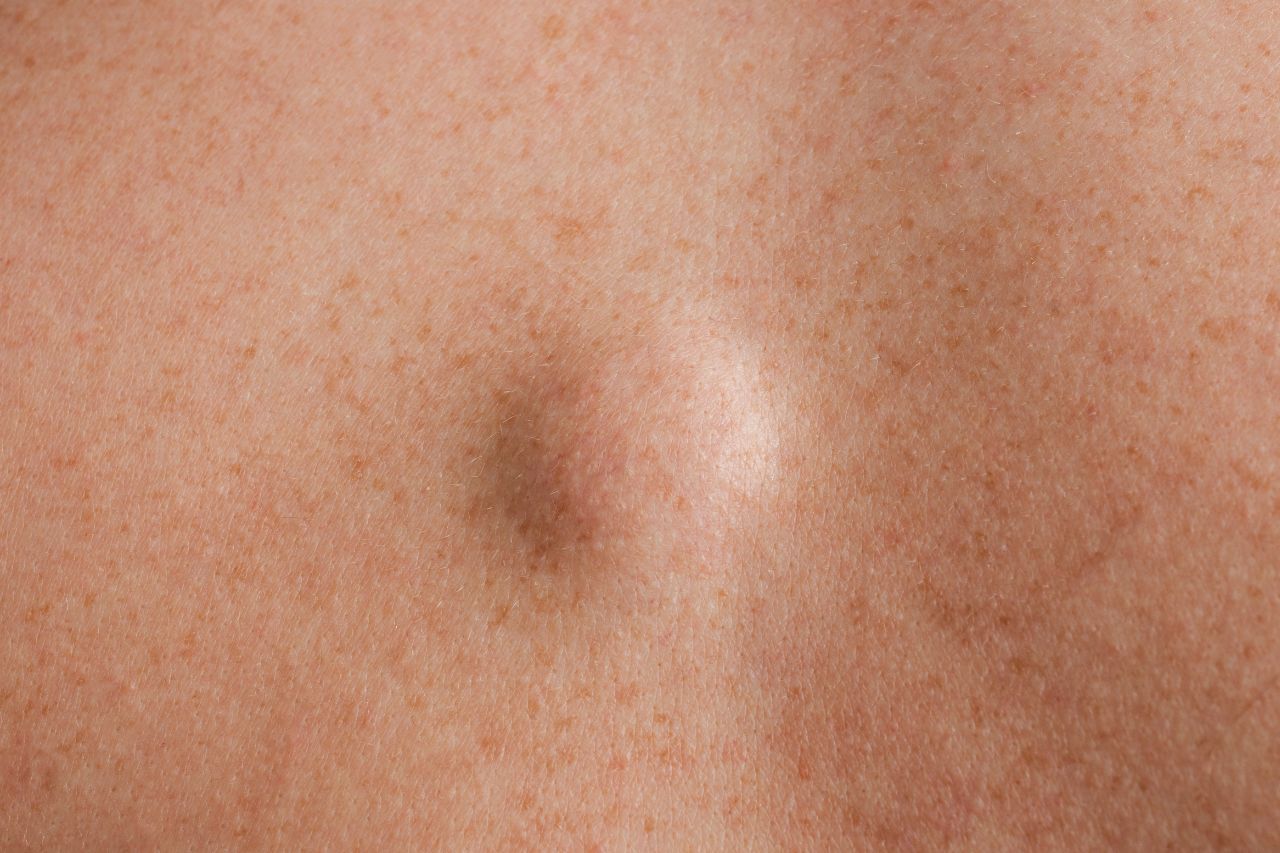
Epidermoid Cyst, Fibroma and Lipoma Removal Gdańsk
Epidermoid Cyst, Fibroma and Lipoma Removal in Gdańsk
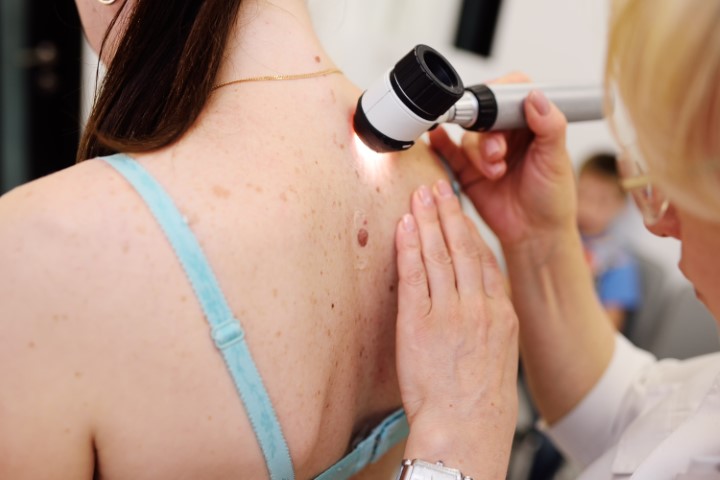
We provide outpatient removal of epidermoid cysts, lipomas and fibromas in Gdańsk following assessment by a surgeon. At Tartaczna 2 Medical Centre in Gdańsk city centre, the doctor examines the lesion, assesses its size and location, and recommends the appropriate treatment method.
Not every lump beneath the skin is a cyst or lipoma, so a medical examination is required before a procedure. If the nature of the lesion is uncertain, the surgeon may recommend further assessment, such as an ultrasound scan, or plan to send the removed tissue for histopathological examination.
Appointments: +48 58 719 10 25 | Address: Tartaczna 2/1A, 80-839 Gdańsk, city centre
What are epidermoid cysts, lipomas and fibromas?
An epidermoid cyst is often informally called a sebaceous cyst. It may grow slowly, become irritated, rupture or develop inflammation. Simply draining the contents does not remove the cyst wall and may increase the likelihood of recurrence. When there is no acute inflammation, treatment therefore usually aims to remove the entire cyst and its capsule.
A lipoma is usually a benign lump composed of fatty tissue. It is commonly soft, mobile and slow-growing. Not every lipoma needs treatment, but removal may be considered if it is increasing in size, painful, pressing on nearby tissues, interfering with daily activities or causing diagnostic concern.
Skin fibromas may be soft and pedunculated or more firm. The method of removal depends on the clinical appearance, size and location of the lesion. Not every lesion commonly described as a fibroma requires conventional surgical excision.
When should a lump beneath the skin be assessed?
A surgical assessment is particularly advisable if the lesion:
- is growing or changing in appearance,
- is painful, red, ruptures or repeatedly becomes inflamed,
- interferes with movement, shaving or clothing,
- is located in an area exposed to repeated injury,
- is hard, fixed or otherwise difficult to identify,
- is to be removed for practical or cosmetic reasons.
If you are unsure which appointment to book, start with a consultation with a general surgeon in Gdańsk. The doctor will determine whether the lesion can be removed safely in an outpatient setting and whether any tests are needed first.
How is an epidermoid cyst or lipoma removed?
The procedure is usually performed under local anaesthesia. After cleaning the skin and administering the anaesthetic, the surgeon makes an incision, removes the lesion using an appropriate technique and closes or dresses the wound. Depending on the type and size of the lesion, sutures and a dressing may be required.
A lesion affected by acute inflammation may first require incision and drainage, with definitive removal planned after the infection has settled. Whether treatment can be performed during the first appointment depends on prior arrangements with reception, the outcome of the medical assessment and the treatment time available.
Is the removed lesion examined by a pathologist?
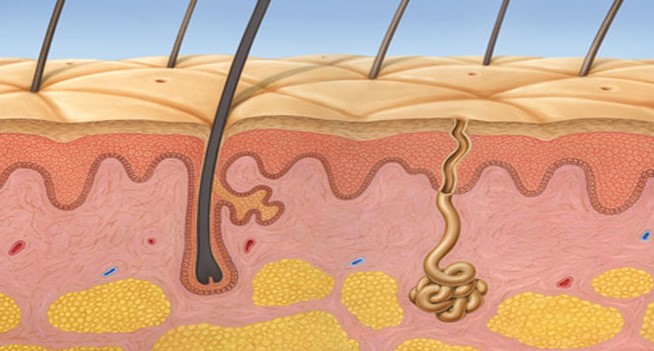
The surgeon decides whether histopathological examination is required based on the type of lesion and the purpose of the procedure. Tissue removed for diagnostic reasons, as well as lesions with an uncertain or suspicious appearance, requires microscopic assessment. The result confirms the diagnosis and helps guide any further management.
How should you prepare for the procedure?
Please bring any previous ultrasound reports, consultation notes or histopathology results relating to the lesion. Tell the doctor about chronic conditions, allergies, diabetes, bleeding disorders and all medicines you take. Do not stop anticoagulant or antiplatelet medicines without medical advice; the appropriate plan must be agreed with the doctor.
Aftercare following lesion removal
You will receive individual instructions about dressings, hygiene, activity, follow-up and suture removal, if applicable. Healing time depends on the size of the lesion, the location of the wound, the technique used and your general health.
Increasing pain, rapidly spreading redness, fever, purulent discharge or bleeding that does not settle requires contact with the clinic or urgent medical assessment.
Frequently asked questions
Does the procedure hurt?
The local anaesthetic injection may cause brief stinging or a feeling of pressure. During the procedure itself you may feel touch or pulling, but you should not feel sharp pain.
Can an epidermoid cyst return?
Recurrence is possible, particularly if the cyst wall could not be removed completely, for example during acute inflammation. Complete excision of the cyst usually reduces the likelihood of it returning.
When can I return to work?
This depends on the location and extent of the procedure and the nature of your work. Many people return to light duties quickly after a minor procedure, while activities that put strain on the treated area may need to be limited temporarily.
Cyst and lipoma removal in Gdańsk – appointments
Procedures are performed by Natalia Spychalska, MD, and Kamil Drucis, MD, PhD. To confirm whether a separate qualification consultation is required first, call reception on +48 58 719 10 25.

Excisional Biopsy in Gdańsk

Skin and Vulval Biopsy in Gdańsk