Tartaczna 2


 back
back
Fractional CO2 Laser in Gynaecology – Gdańsk
Gynaecological laser treatments – assessment and procedures
CO2 laser treatment in gynaecology – how does it work?
CO2 lasers are used in gynaecology to target tissue precisely, including the removal of selected lesions in the genital area. At Tartaczna 2 Medical Centre in Gdańsk, consultations and laser procedures are provided by Dr Marek Korożan and Dr Volha Khitrun.
In fractional mode, the laser creates small areas of controlled thermal injury, with untreated tissue between them. This triggers healing and collagen remodelling. However, stimulating these processes does not mean that laser treatment effectively addresses every cause of vaginal dryness, pain or intimate discomfort.
The application, settings and treatment area depend on the diagnosis. Laser removal of a lesion and fractional vaginal laser treatment are different procedures, each requiring a separate assessment of suitability.
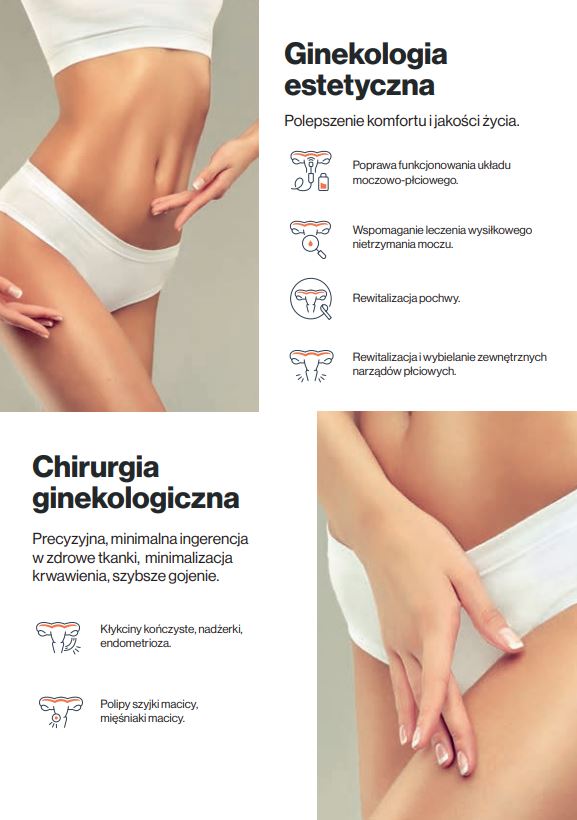
Laser vaginal tightening – when is it considered?
Laser vaginal tightening refers to procedures intended to reduce the sensation of vaginal looseness by acting on the tissues of the vaginal wall. This sensation may develop after childbirth, among other circumstances. During your consultation, the doctor also assesses the pelvic floor muscles, any pelvic organ prolapse and childbirth-related scarring.
Some studies report improvements in perceived comfort after laser treatment, but the findings are inconsistent. Evidence for a lasting reduction in vaginal laxity and improved sexual function remains limited. A specific degree of tightening or duration of benefit cannot be guaranteed.
Management may include pelvic health physiotherapy and, where particular anatomical changes are present, surgery. Laser treatment does not replace surgical repair of damaged pelvic floor structures.
Vaginal rejuvenation and recurrent infections – what does the evidence show?
The term vaginal rejuvenation describes procedures intended to improve the condition of vaginal tissues and intimate comfort. The effects of CO2 laser treatment on the vaginal environment and recurrent bacterial vaginosis are still being investigated.
A study published in 2025 found fewer recurrences in women with vaginal laxity and recurrent bacterial vaginosis who received laser treatment alongside medication than in those receiving medication alone. However, the short follow-up and study limitations mean that laser therapy cannot be regarded as a standard treatment for recurrent infections, and these findings cannot be extended to vaginal thrush.
Recurrent discharge, itching or burning should first be investigated so that the underlying cause can be treated appropriately. Active inflammation must be treated before a planned vaginal laser procedure. Read more about the diagnosis and treatment of vaginal and vulval infections.
Laser treatment for vaginal dryness and atrophy
Dryness, burning and pain during sex may be associated with reduced oestrogen levels, particularly around menopause. These symptoms still require an assessment, as infections and vulval skin conditions can cause similar problems.
Management may include vaginal moisturisers, lubricants and local hormonal treatment where appropriate. The effectiveness and long-term safety of vaginal CO2 laser treatment for menopausal symptoms have not been sufficiently established. It should not be presented as an equivalent alternative to treatments supported by stronger evidence.
CO2 laser treatment and stress urinary incontinence
Stress urinary incontinence is the involuntary leakage of urine when coughing, sneezing or exercising. Choosing treatment requires a consultation and an assessment of the cause and severity of symptoms.
Dr Marek Korożan reports very positive clinical experience with CO2 laser treatment in women with stress urinary incontinence. In his practice to date, he has observed a clear improvement in symptoms following treatment.
These are observations from clinical practice. They do not guarantee the same outcome for another patient or that any improvement will last. Scientific evidence on the long-term effectiveness and safety of this method remains limited. The European Association of Urology (EAU) recommends restricting vaginal laser treatment for this indication to appropriately regulated and closely monitored clinical research studies.
During your consultation, the doctor discusses the available treatment options. Supervised pelvic floor muscle training is the foundation of conservative management for stress urinary incontinence. Depending on the diagnosis, other options, including surgery, may also be considered.
Laser removal of genital warts and other genital lesions
CO2 laser treatment is one method of genital wart removal. The doctor selects treatment according to the location, size and number of lesions. Removing genital warts does not eliminate HPV infection, so the warts may recur.
The nature of a lesion must be assessed before it is destroyed with a laser. Atypical lesions or those suspicious for cancer may require a biopsy and histopathological examination.
Labiaplasty, or labia reduction and reshaping surgery, is a separate procedure, which we perform at our centre using Fraxx radiofrequency technology.
How should I prepare for laser treatment?
The first step is a gynaecological consultation. The doctor assesses whether treatment is appropriate, discusses the possible benefits, limitations and risks, and explains other available options. Any tests required before the procedure are selected individually.
- Tell the doctor if you are pregnant or could be pregnant, and provide details of chronic conditions, medication and previous procedures.
- Report any discharge, itching, burning, unexplained bleeding or new vulval lesions.
- Do not stop taking medication, including anticoagulants, without medical advice.
- Follow the instructions provided regarding the timing of treatment and preparation of the treatment area.
What happens during the procedure, and is it painful?
The procedure takes place in our treatment room. For vaginal procedures, the doctor uses a suitable probe; when removing lesions, the laser beam is directed at the selected area. The type of anaesthesia, procedure duration and any need for further sessions depend on the treatment being performed.
You may experience warmth, burning or pain. Local anaesthesia is used for lesion removal when required by the extent of treatment. Tell the doctor about any discomfort during the procedure.
Recovery and possible side effects
Redness, swelling, tenderness, spotting or discharge may occur after treatment. Possible complications also include burns, infection, scarring, persistent pain and pain during sex. The risks depend partly on the type of procedure and the area being treated.
You will receive individual aftercare instructions covering hygiene, sexual activity, tampon use, exercise and follow-up. Contact a doctor urgently if you develop worsening pain, fever, heavy bleeding or foul-smelling discharge.
Gynaecological CO2 laser treatment in Gdańsk – prices and appointments
The cost depends on the type and extent of the procedure. Please see our aesthetic gynaecology price list or contact reception for details. We discuss the treatment plan and costs before treatment begins.
You can book a consultation at Tartaczna 2 Medical Centre in Gdańsk with Dr Marek Korożan or Dr Volha Khitrun.
You can also book by phone or email: +48 58 719 10 25, kontakt@tartaczna2.pl.

Labia majora fillers in Gdańsk – hyaluronic acid

Rejuvenation of intimate areas - Desirial