Tartaczna 2

-
Home

-
OFFER
-
Diabetes Specialist Gdańsk – Diabetes and Obesity Treatment
- Gestational Diabetes in Gdańsk - Diagnosis and Treatment
 back
back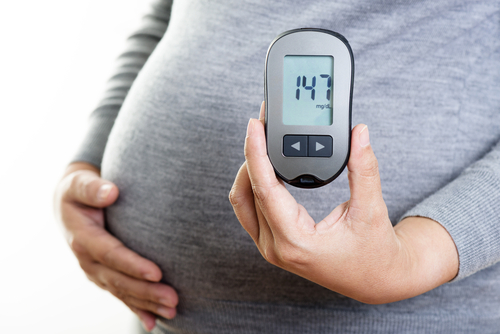
Gestational Diabetes in Gdańsk - Diagnosis and Treatment
Glucose tolerance testing and specialist care during and after pregnancy
An abnormal blood glucose or glucose tolerance test result during pregnancy requires medical assessment. At Tartaczna 2 Medical Centre in Gdańsk, we offer laboratory testing, diabetes consultations and obstetric care for women with gestational diabetes.
Diabetes care is provided by Irina Mogilnaya-Wenglowska, MD, PhD. Dr Marek Korożan, obstetrician and gynaecologist, also provides care for pregnancies complicated by diabetes. Together, we help plan treatment and monitor the health of both mother and baby.
What is gestational diabetes?
Gestational diabetes mellitus, or GDM, is a disorder of blood glucose regulation first diagnosed during pregnancy. Blood glucose levels exceed the thresholds used in pregnancy but do not reach the levels required to diagnose overt diabetes.
Hormonal changes during pregnancy increase the body's need for insulin. If the pancreas cannot produce enough to meet this demand, blood glucose rises. A diagnosis does not mean that you have caused the condition through poor eating habits.
Not every case of high blood glucose identified during pregnancy is gestational diabetes. Markedly raised results, particularly early in pregnancy, may reveal previously undiagnosed diabetes. Your doctor will assess the findings and establish the appropriate diagnosis.
Gestational diabetes symptoms and risk factors
Gestational diabetes usually causes no obvious symptoms. Thirst, tiredness and frequent urination are not specific to diabetes and can also occur in an uncomplicated pregnancy. This is why testing is important.
Risk factors include:
- gestational diabetes in a previous pregnancy,
- overweight or obesity before pregnancy,
- type 2 diabetes in close relatives,
- polycystic ovary syndrome,
- previously giving birth to a baby with a high birth weight,
- high blood pressure and older maternal age.
Having none of these risk factors does not rule out gestational diabetes. Testing is also relevant for women who are slim, physically active and have no family history of diabetes.
When should you be tested for gestational diabetes?
Blood glucose assessment begins early in pregnancy. Your doctor will recommend a fasting blood glucose test or an early oral glucose tolerance test, depending on your risk factors and results.
If no glucose disorder has already been diagnosed, a 75 g oral glucose tolerance test is usually performed between 24 and 28 weeks of pregnancy. A normal result early in pregnancy does not remove the need for testing later on.

Glucose tolerance test in pregnancy – what does an OGTT involve?
An oral glucose tolerance test, or OGTT, measures glucose in venous blood plasma at three points:
- while fasting, before drinking the glucose solution,
- 60 minutes after taking 75 g of glucose,
- 120 minutes after taking the glucose.
Allow more than 2 hours for your visit to the blood collection point. Drink the solution as instructed by the staff and remain on site, resting, throughout the test.
How should you prepare for an OGTT?
- Eat your usual diet for at least 3 days beforehand. Do not deliberately restrict carbohydrates to try to improve the result.
- Attend in the morning after fasting for 8–14 hours, following the laboratory's instructions.
- Do not drink coffee, tea or sweetened drinks before the test. Ask the staff how much plain water you may drink.
- During the test, do not eat, smoke or chew gum, and avoid physical activity.
- Tell the staff about any current infection, significant vomiting, medicines you take or previous bariatric surgery.
- Do not stop prescribed medicines without medical advice.
If you vomit after drinking the glucose solution, tell the staff immediately. The test will usually need to be stopped, and the next steps agreed. Do not add juice or other ingredients to the solution yourself.
OGTT results – when is gestational diabetes diagnosed?
Under the diagnostic criteria used in Poland, at least one result meeting the following thresholds during a 75 g OGTT is sufficient for a diagnosis of gestational diabetes:
| Time of blood sample | Venous plasma glucose |
|---|---|
| Fasting | 92–125 mg/dL |
| After 60 minutes | 180 mg/dL or above |
| After 120 minutes | 153–199 mg/dL |
A fasting result of 126 mg/dL or above, or a result of 200 mg/dL or above after 120 minutes, requires prompt assessment for overt diabetes.
A single fasting glucose result of 92–125 mg/dL obtained early in pregnancy outside an OGTT requires further investigation. It should not be used to diagnose gestational diabetes without medical assessment.
What should you do after an abnormal result?
Share your results with the doctor overseeing your pregnancy and arrange a diabetes consultation. Do not wait until a distant routine antenatal appointment. Bring your complete OGTT results, maternity records, a list of medicines and any previous relevant test results.
During the consultation, you will receive dietary advice, instructions on glucose monitoring and guidance on when to submit your readings for review. A blood glucose meter or sensor helps monitor treatment; it does not replace a laboratory OGTT in standard diagnostic testing.
Gestational diabetes treatment – diet, activity and insulin
Treatment aims to maintain appropriate blood glucose levels while providing adequate nutrition for both you and your developing baby. Your plan will be adjusted according to your results and the progress of your pregnancy.
Diet for gestational diabetes
Dietary advice includes regular meals, an appropriate distribution of carbohydrates throughout the day and suitable food choices. Limit sweetened drinks and foods high in added sugars, and include vegetables, fibre and adequate protein.
Do not fast, follow a ketogenic diet or eliminate all carbohydrates without medical advice. Your diet needs to meet the nutritional requirements of pregnancy. Keeping a food and glucose diary can help identify how different meals affect your readings.
Physical activity
If there are no obstetric contraindications, regular moderate activity can help improve blood glucose control. Walking after a meal is one example. Agree the type and intensity of activity with the doctor overseeing your pregnancy.
When is insulin needed?
If dietary changes and activity do not provide adequate glucose control, or if your results are significantly raised from the outset, your doctor may recommend insulin. Needing insulin does not mean that you have failed — insulin requirements change as pregnancy progresses.
Your diabetes specialist will prescribe the doses, explain injection technique and teach you how to recognise and manage low blood glucose. Do not change your treatment outside the adjustment plan previously agreed with your doctor.
How should you monitor blood glucose during pregnancy?
Glucose is most commonly checked while fasting and after meals. Your diabetes specialist will explain how often to test, how long after the start of a meal to take a reading and which individual targets to use. A continuous glucose monitoring system may be considered in appropriate circumstances.
The thresholds used to diagnose gestational diabetes during an OGTT are not the targets for home glucose monitoring during treatment. Do not compare a reading after an ordinary meal with the diagnostic OGTT table.
Contact your doctor if your readings repeatedly fall outside the agreed range or you experience low blood glucose. Vomiting that prevents you from keeping fluids down, severe weakness or reduced consciousness requires urgent medical attention.
How can gestational diabetes affect you and your baby?
Inadequately controlled blood glucose increases the risk of excessive fetal growth, complications during birth and low blood glucose in the newborn. It may also be associated with a higher risk of high blood pressure and pre-eclampsia in the mother.
A diagnosis does not mean that complications will occur. Treatment and regular reviews help reduce the risks. Your obstetrician will assess your baby's growth, the amount of amniotic fluid and whether additional monitoring is needed.
Gestational diabetes, birth planning and caesarean section
Gestational diabetes alone does not mean that you need a caesarean section. The timing and method of birth depend on glucose control, treatment, your baby's estimated weight and wellbeing, and other obstetric factors.
If your baby is thought to be large, the team will assess the risks, including difficulty delivering the shoulders. A baby measuring above the expected growth range does not automatically mean that surgery is necessary. Your birth plan will be agreed individually with the obstetric team.
Care for your newborn after birth
Tell the hospital team that you have gestational diabetes and explain which treatment you use. After birth, your baby will need glucose checks according to the unit's protocol because low blood glucose may occur.
Early and regular feeding helps maintain appropriate glucose levels. If hypoglycaemia develops, the team will choose treatment according to the test results and your baby's condition. Some newborns require additional treatment and observation.
Gestational diabetes after birth – which follow-up tests are needed?
Insulin requirements usually fall quickly after birth. Many women can stop insulin treatment, but this decision should be made by the care team based on glucose readings.
Polish recommendations advise a 75 g OGTT 6–12 weeks after birth, followed by annual diabetes screening. Follow-up is needed even if you feel well and your home glucose readings are normal.
Having had gestational diabetes increases the risk of developing type 2 diabetes and of GDM recurring in a future pregnancy. Continue healthy eating, gradually return to physical activity and arrange a review before another pregnancy. Breastfeeding is recommended unless there are other contraindications.
Gestational diabetes care in Gdańsk – Tartaczna 2 Medical Centre
At our centre, you can access:
- laboratory testing, including an on-site 75 g OGTT,
- diabetes consultations with Irina Mogilnaya-Wenglowska, MD, PhD,
- obstetric and gynaecological care with Dr Marek Korożan,
- education about nutrition, glucose monitoring and using your prescribed treatment.
Blood samples are collected Monday to Friday, 08:00–12:00, and Saturdays, 09:00–12:00. Please arrive early for an OGTT, as completing all the samples requires more than 2 hours. Before attending, confirm with reception which days the test is available and the latest time it can be started. A flavoured glucose preparation designed for this test is available.
For information about our wider services, visit our diabetes clinic in Gdańsk page.
Book a gestational diabetes consultation
Visit Tartaczna 2 Medical Centre at Tartaczna 2/1a in Gdańsk's Śródmieście district. When booking, tell reception that you are pregnant, how many weeks pregnant you are and whether you already have an abnormal test result.
Diabetes consultations: Dr Irina Mogilnaya-Wenglowska.
Book using the appointment calendar below or contact our reception team: +48 58 719 10 25, kontakt@tartaczna2.pl.
Obstetric consultations: Dr Marek Korożan.