
OFFER


Diabetology
 Gestational Diabetes - Diagnosis and Treatment
Looking for a diabetes specialist in Gdańsk? At Tartaczna 2 Medical Centre, we offer consultations for adults with diabetes, abnormal blood glucose results or obesity, and for women with gestational diabetes. We help you find an appropriate treatment plan, arrange follow-up and understand how to manage your health day to day.
Appointments are available with Irina Mogilnaya-Wenglowska, MD, PhD – a specialist in diabetology and internal medicine. Our centre is located at 2 Tartaczna Street in Gdańsk’s Śródmieście district.

When should you see a diabetes specialist?
A consultation is appropriate if you have diagnosed diabetes, abnormal test results or symptoms that may suggest raised blood glucose. These include:
- increased thirst and a dry mouth,
- frequent urination, including at night,
- unintentional weight loss,
- weakness, tiredness and drowsiness,
- episodes of blurred vision,
- recurrent infections and wounds that heal slowly.
These symptoms can have several causes. Type 2 diabetes can also develop without noticeable symptoms for a long time. Testing is therefore important for people with risk factors such as a family history of diabetes, excess body weight or previous gestational diabetes.
Intense thirst and frequent urination accompanied by vomiting, abdominal pain, deep breathing or reduced consciousness require urgent medical attention. Do not wait for a routine appointment.
Diabetes diagnosis – which tests are needed?
Diagnostic tests include fasting venous plasma glucose, glycated haemoglobin (HbA1c) and, when appropriate, an oral glucose tolerance test (OGTT). The choice and interpretation of tests depend on factors including symptoms, pregnancy and other medical conditions.
A blood glucose meter may reveal a concerning reading, but it does not replace laboratory testing for diagnosis. In someone without typical symptoms, an abnormal result usually needs confirmation in accordance with diagnostic criteria.
Prediabetes and insulin resistance
Prediabetes means that blood glucose regulation is impaired, but the results do not yet meet the criteria for diabetes. It increases the risk of developing diabetes, although progression is not inevitable.
Insulin resistance means that the body’s tissues respond less effectively to insulin. It is not the same as diabetes. A diabetes specialist considers your results alongside your overall health and recommends a plan covering nutrition, physical activity, body weight and medication where appropriate.
Type 1 diabetes – specialist care
Type 1 diabetes usually results from autoimmune destruction of the pancreatic cells that produce insulin. It can develop at any age, including in adulthood. It is not solely a condition affecting children and young people.
Treatment requires insulin and glucose monitoring. Education about meals, physical activity and managing illness is also important, alongside preventing hypoglycaemia, or low blood glucose.
Do not stop insulin yourself, including during illness or when eating less. Agree a plan with your diabetes specialist for adjusting treatment in these situations.

Type 2 diabetes – an individual treatment plan
Type 2 diabetes involves reduced sensitivity to insulin and problems with insulin secretion. Its development is influenced by factors including genetic susceptibility, age, excess body fat and physical activity. It can also occur in younger people and in people without obesity.
Treatment includes appropriate changes to eating habits, physical activity and medication. Some people need insulin — using insulin does not change the diagnosis to type 1 diabetes.
Modern treatment considers not only blood glucose, but also body weight, the risk of hypoglycaemia, and heart and kidney health. Depending on your needs, the doctor may consider medicines such as SGLT2 inhibitors or incretin-based therapies. Treatment choices take account of benefits, contraindications and your circumstances.
Obesity treatment in Gdańsk – specialist consultation
Obesity is a chronic disease that requires individual treatment. It may coexist with type 2 diabetes, high blood pressure, abnormal blood lipid levels and sleep apnoea. Treatment aims to improve health and physical function, reduce the risk of complications and maintain progress over time.
At Tartaczna 2 Medical Centre in Gdańsk, Irina Mogilnaya-Wenglowska, MD, PhD provides consultations for obesity treatment. The assessment covers your health, weight history, previous treatment, current medicines and associated medical conditions.
Your care plan includes appropriate nutrition and physical activity, with medication where indicated. Medicines licensed for obesity treatment may also be suitable for people who do not have diabetes.
Modern medicines for obesity and type 2 diabetes
Available options include medicines that act on the GLP-1 receptor and medicines that act on both GIP and GLP-1 receptors. They influence the mechanisms regulating appetite and fullness, helping to reduce food intake. In people with type 2 diabetes, they can also improve blood glucose control.
These medicines do not all have the same approved uses. A product licensed to treat diabetes is not automatically licensed to treat obesity. Your doctor selects treatment according to the specific product’s indications and your individual circumstances.
When can medication for obesity be considered?
For the therapies discussed here that are licensed for weight management in adults, indications generally include:
- a BMI of 30 kg/m² or above,
- a BMI from 27 to below 30 kg/m² together with at least one weight-related condition, such as high blood pressure, abnormal blood lipid levels, prediabetes, type 2 diabetes or obstructive sleep apnoea.
Meeting a BMI threshold alone does not determine whether treatment should begin. The doctor must also assess suitability, contraindications and possible adverse effects.
Safety and follow-up during obesity treatment
Medication requires gradual dose adjustment according to the prescribing instructions and regular follow-up. Possible adverse effects include nausea, vomiting, diarrhoea and constipation. Severe, persistent abdominal pain requires urgent medical advice.
The medicines discussed here are not used during pregnancy. Tell your doctor before starting treatment if you are planning a pregnancy or breastfeeding so that an appropriate plan can be agreed.
Results vary between individuals. Obesity often requires long-term care, and weight may increase again after medication is stopped. Planning how to maintain progress is therefore an important part of treatment from the outset.
Glucose monitoring and diabetes follow-up
Your monitoring plan depends on the type of diabetes and the medicines you use. It may involve a blood glucose meter or a continuous glucose monitoring system. Not everyone needs the same number of checks.
HbA1c helps assess blood glucose levels over approximately the previous 3 months. Polish Diabetes Association recommendations advise annual testing for people whose diabetes is stable and who are meeting their treatment targets. If targets are not being met or treatment has changed, testing is recommended at least every 3 months. Your doctor may advise more frequent checks.
Diabetes complications – how can you reduce the risk?
Diabetes increases the risk of cardiovascular disease and damage to the kidneys, retina and nerves. Complications are not inevitable. Managing blood glucose, blood pressure and lipids, avoiding smoking and having regular checks all help reduce risk.
Your care plan may include kidney function tests, testing for albumin in the urine, eye examinations and foot checks. Their frequency depends on the type and duration of diabetes and previous findings.
Acute emergencies include severe hypoglycaemia, diabetic ketoacidosis and hyperosmolar hyperglycaemic state. During your consultation, discuss how to recognise warning signs and when to seek urgent help.

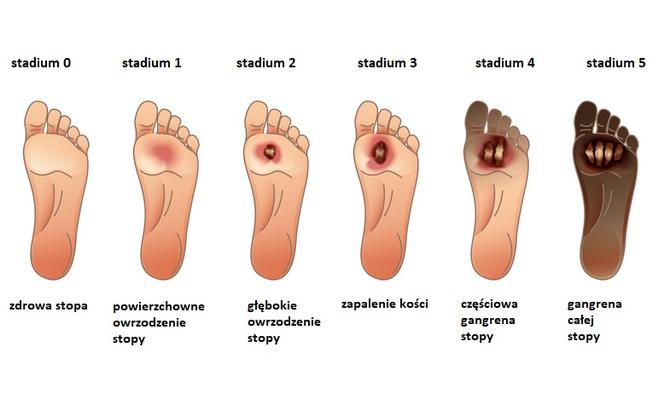
Diabetic foot problems – wounds, loss of sensation and poor circulation
Foot problems can occur in both type 1 and type 2 diabetes. Nerve damage reduces sensation, while poor circulation makes healing more difficult. A wound can be serious even if it does not hurt.
Check your feet every day, including the soles and between the toes. A new wound, ulcer, redness, swelling, discharge or change in skin colour needs prompt assessment. A warm, swollen foot also requires urgent review, even if there is little pain.
Treatment depends on the cause and may include relieving pressure on the affected area, appropriate wound care, treating infection and assessing circulation. Do not cut away calluses yourself or use corrosive corn-removal products.
At our centre, the diabetes specialist can work with a surgeon when appropriate. Advanced infection or poor blood supply may require urgent hospital treatment or assessment by a vascular specialist.
Diabetic neuropathy – tingling, burning and numbness
Diabetic neuropathy is nerve damage associated with diabetes. It may cause burning, tingling, pain or reduced sensation, often beginning in the feet. The absence of pain does not rule it out.
The doctor assesses your symptoms and considers other possible causes. Management includes glucose control, foot protection and treatment for nerve pain when needed.

Gestational diabetes – specialist care during pregnancy
Gestational diabetes often causes no obvious symptoms and is diagnosed through testing. However, not every case of raised blood glucose discovered during pregnancy is gestational diabetes — sometimes testing identifies previously undiagnosed diabetes.
Care includes individual dietary advice, physical activity appropriate for pregnancy, glucose monitoring and insulin treatment if needed. At Tartaczna 2, the diabetes specialist works with the gynaecologist overseeing your pregnancy.
Blood glucose often returns to normal after childbirth, but follow-up remains necessary. Polish Diabetes Association recommendations advise an OGTT 6–12 weeks after birth, followed by annual screening. Having had gestational diabetes increases the risk of developing type 2 diabetes later in life.

Diabetes education for patients and families
During consultations, we help you put recommendations into practice. Topics may include:
- nutrition and how meals affect blood glucose,
- using a blood glucose meter and interpreting readings,
- correct insulin injection technique,
- recognising hypoglycaemia and responding to emergencies,
- physical activity, travel and managing diabetes during illness,
- foot care and preventing complications.
If you need support from someone close to you, you are welcome to bring them to your appointment.
How to prepare for a diabetes consultation
- Bring previous test results and medical records.
- Prepare a list of your medicines, doses and supplements.
- If you monitor glucose, bring your readings or reports from your monitoring system.
- Note any episodes of low blood glucose and situations in which your readings rise significantly.
- If you measure blood pressure at home, bring those readings too.
- For an obesity consultation, prepare details of previous treatment attempts and changes in your weight.
You do not need to fast for the consultation itself. Do not stop medicines or insulin without prior advice. If you plan to have laboratory tests at the same visit, confirm the preparation instructions with reception.
Private diabetes specialist in Gdańsk – fees and appointments
At Tartaczna 2 Medical Centre, appointments are available with Irina Mogilnaya-Wenglowska, MD, PhD, a specialist in diabetology and internal medicine. We provide assessment and treatment for type 1 diabetes, type 2 diabetes, gestational diabetes and obesity, taking associated medical conditions into account.
Contact reception to confirm current consultation fees and availability. When booking, please specify whether you need a first appointment, follow-up, gestational diabetes consultation or obesity treatment consultation.
Doctor profile: Dr Irina Mogilnaya-Wenglowska.
Visit us at Tartaczna 2/1a, Gdańsk, in the Śródmieście district. Book through our reception team: +48 58 719 10 25, kontakt@tartaczna2.pl.