Tartaczna 2


 back
back
Gynaecomastia in Gdańsk – Assessment and Treatment
Endocrinology consultations and assessment for gynaecomastia surgery
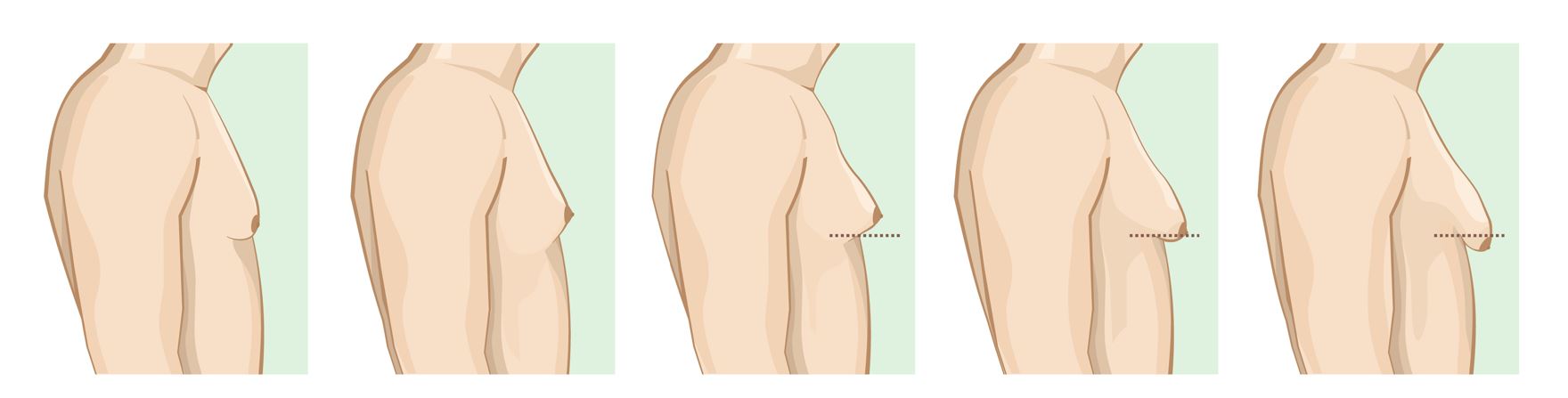
Gynaecomastia is a benign enlargement of glandular breast tissue in men. It can affect one or both breasts and cause tenderness, pain or distress about changes in the appearance of the chest. Choosing appropriate treatment requires an assessment of the cause of the breast enlargement.
At Tartaczna 2 Medical Centre in Gdańsk, Dr Anna Florysiak provides endocrinology consultations, while Dr Kamil Drucis assesses patients for surgical treatment. Dr Kamil Drucis performs gynaecomastia operations only in hospital, following a prior surgical assessment.
Gynaecomastia and lipomastia – what is the difference?
Gynaecomastia involves an increase in glandular tissue, often felt as a rubbery or firmer area beneath the areola. Lipomastia, also called pseudogynaecomastia, means an increase in fatty tissue in the breast area, for example in association with being overweight or having obesity. Both types of enlargement can occur together.
Distinguishing between these conditions is important when choosing treatment. Weight loss can reduce the amount of fatty tissue, but it does not always resolve glandular enlargement. A doctor assesses the condition through a clinical examination and, where needed, imaging tests.
What causes gynaecomastia?
Glandular breast enlargement is associated with oestrogen activity outweighing androgen activity, including that of testosterone, within the breast tissue. Oestrogens are also present in men and are produced partly through the conversion of androgens in fatty tissue. Gynaecomastia can also occur when blood hormone levels are within the normal range.
Possible causes and contributing factors include:
- hormonal changes during puberty and with ageing,
- testosterone deficiency, including impaired testicular function,
- being overweight or having obesity, which can contribute to both lipomastia and gynaecomastia,
- certain medicines and the use of anabolic-androgenic steroids,
- an overactive thyroid, chronic liver disease or kidney disease,
- less commonly, hormone-producing tumours, such as certain testicular tumours.
Sometimes no cause can be identified despite an appropriate assessment. This is called idiopathic gynaecomastia. A lack of improvement after treatment does not, on its own, establish this diagnosis.
When should a man seek medical advice about breast enlargement?
See a doctor if breast enlargement has developed recently, is increasing, persists or causes pain. Gynaecomastia during puberty often resolves on its own, but an unusual course or significant symptoms require assessment. New breast changes in an older man should also be investigated rather than attributed solely to age.
Prompt medical assessment is needed for a hard or fixed lump, particularly away from the nipple, nipple retraction, changes in the breast skin, enlarged lymph nodes in the armpit or nipple discharge, especially if bloody. Gynaecomastia itself is not a precancerous condition, but other breast conditions can cause similar symptoms.
Gynaecomastia assessment – endocrinology and investigations
Assessment begins with a discussion of your medical history and a physical examination. Important details include when the changes started, how quickly they have developed, any symptoms, chronic conditions and the medicines, supplements or hormones you use. The doctor examines the breasts and looks for signs of hormonal disorders. The assessment may also include a testicular examination and ultrasound scan.
Depending on the circumstances, the endocrinologist may request testosterone, oestradiol, LH, FSH, TSH and prolactin measurements, liver and kidney function tests, and additional investigations such as a β-hCG blood test. The tests are selected individually.
If the clinical findings in the breast are inconclusive, ultrasound or mammography may be helpful. A suspicious lesion may require a core needle biopsy for histopathological examination. Further management depends on the combined findings of the assessment.
Can gynaecomastia be treated without surgery?
Treatment depends on the cause and how long the changes have been present. Options may include monitoring, treating an underlying condition, reducing excess body weight or changing a medicine responsible for the breast enlargement. Do not stop taking prescribed medicines on your own. Any change to treatment should be agreed with your doctor.
The endocrinologist selects any medication based on the diagnosis. Established glandular enlargement, particularly when accompanied by fibrosis, may persist even after the cause has been addressed. In this situation, it may be appropriate to discuss surgical treatment.
Gynaecomastia surgery – when is it considered?
Surgery may be considered for persistent gynaecomastia, particularly when it causes pain, affects everyday activities or has a significant impact on wellbeing. The decision should take account of previous investigations, treatment of the underlying cause, whether the enlargement has stabilised and expectations about the outcome.
The operation may involve removing excess glandular tissue, reducing fatty tissue and, in selected cases, removing excess skin. The surgeon determines the technique and type of anaesthesia according to the extent of the procedure and the patient's health.
At Tartaczna 2, Dr Kamil Drucis provides consultations and assessment for surgery. He performs the operation itself in hospital. During the consultation, you will receive information about the next steps in arranging treatment and the preparation required.

Recovery after gynaecomastia surgery
Swelling, bruising and tenderness may occur after surgery. Possible complications include bleeding, haematoma, infection, wound healing problems, changes in nipple sensation, asymmetry and visible scarring. The surgeon discusses the expected benefits and risks before the operation.
Advice about dressings, any compression garments, physical activity and returning to work depends on the technique used. You will receive these instructions at the hospital, together with a plan for postoperative follow-up.
Gynaecomastia in Gdańsk – doctors and appointments
At Tartaczna 2 Medical Centre, you can book:
- an endocrinology consultation with Dr Anna Florysiak – assessment of the causes of gynaecomastia and advice on non-surgical treatment,
- a surgical consultation with Dr Kamil Drucis – assessment of whether an operation is appropriate, with surgery subsequently performed in hospital,
- a breast ultrasound scan with Dr Ewa Kołyszko, a radiologist, when imaging is indicated.
Doctor profile: Dr Kamil Drucis.
Book using the appointment calendar below or contact our reception team: +48 58 719 10 25, kontakt@tartaczna2.pl.