
Tartaczna 2


 back
back
Hashimoto’s Thyroiditis in Gdańsk – Diagnosis and Treatment
Hashimoto’s symptoms, thyroid tests and ongoing care
Hashimoto’s thyroiditis is a chronic autoimmune inflammation of the thyroid gland. The immune system targets the body’s own tissues, which can gradually damage the gland and lead to an underactive thyroid, known as hypothyroidism. In some people, however, thyroid function remains normal for many years.
At Tartaczna 2 Medical Centre in Gdańsk, we offer endocrinology consultations, assessment and treatment of hypothyroidism associated with Hashimoto’s thyroiditis, and thyroid ultrasound when indicated.
What is Hashimoto’s thyroiditis and what causes it?
Hashimoto’s thyroiditis, also called chronic lymphocytic thyroiditis, is an autoimmune condition. Genetic susceptibility and environmental factors contribute to its development. No single cause has been identified that explains every case.
The condition is more common in women, but it can also affect men and children. The risk is higher in people with a family history of thyroid disease or other autoimmune conditions, such as type 1 diabetes or coeliac disease.
The thyroid lies at the front of the neck, below the larynx, and consists of two lobes joined by a narrow bridge of tissue called the isthmus. Its hormones, principally thyroxine (T4) and triiodothyronine (T3), help regulate metabolism, body temperature and the function of the heart, muscles and nervous system.
.png)
Hashimoto’s thyroiditis and goitre – is the thyroid always enlarged?
A goitre means an enlarged thyroid gland, regardless of the cause or thyroid hormone levels. It can occur with Hashimoto’s thyroiditis, but not everyone with the condition develops one. The thyroid may remain a normal size or become smaller over time.
An enlarged gland may cause pressure in the neck or difficulty swallowing. A goitre does not necessarily mean that nodules or cancer are present. A noticeable enlargement in the neck should be assessed by a doctor.

Symptoms of Hashimoto’s thyroiditis and hypothyroidism
Hashimoto’s thyroiditis may cause no symptoms for a long time. Symptoms often develop when the thyroid can no longer produce enough hormones. Possible symptoms of hypothyroidism include:
- tiredness, sleepiness and reduced exercise tolerance,
- increased sensitivity to cold,
- dry skin, hair loss and brittle nails,
- constipation,
- weight gain and swelling,
- muscle aches, weakness and joint symptoms,
- difficulty concentrating, memory problems or low mood,
- irregular or heavy periods and fertility problems.
These symptoms can also have other causes. Tiredness, weight gain or hair loss alone cannot establish the diagnosis. If symptoms persist despite normal thyroid test results, further assessment for other causes may be needed.
How is Hashimoto’s diagnosed? TSH, free T4, TPO antibodies and ultrasound
Assessment begins with a medical history and clinical examination. The endocrinologist selects tests according to your symptoms, previous results, medicines and clinical circumstances.
- TSH – the main initial test of thyroid function in a typical assessment of an adult.
- Free T4 (FT4) – the level of unbound thyroxine in the blood, measured when indicated, including when TSH is abnormal. It helps assess the degree of hypothyroidism.
- TPO antibodies – antibodies against thyroid peroxidase, which help identify an autoimmune cause of thyroid disease.
- Tg antibodies – antibodies against thyroglobulin, used as an additional test in selected circumstances.
- Thyroid ultrasound – assesses the size and structure of the gland and any focal changes. It can support the diagnosis, particularly when the thyroid is enlarged, a nodule can be felt or other findings are inconclusive.
Free T3 and TSH receptor antibody (TRAb) tests are not routinely needed for everyone with suspected Hashimoto’s thyroiditis. TRAb testing is mainly used to diagnose Graves’ disease and distinguish between causes of thyrotoxicosis.
Once the diagnosis has been established, TPO and Tg antibody tests usually do not need to be repeated regularly. Antibody levels are not used to determine the medicine dose. Monitoring focuses primarily on thyroid function and how you feel. Ultrasound does not measure hormone levels and cannot replace blood tests.
Before a blood test, tell your doctor about your medicines and supplements, especially products containing biotin, which can interfere with some thyroid test results.
Hashimoto’s thyroiditis and hypothyroidism – understanding your results
Hashimoto’s describes the cause of thyroid inflammation, while hypothyroidism describes a shortage of thyroid hormones. The condition does not follow the same stages in everyone. The following patterns may be seen when assessing primary thyroid dysfunction:
| Test results | Meaning |
|---|---|
| TSH and free T4 within their reference ranges | Normal thyroid function, known as euthyroidism. Positive antibodies alone do not usually mean that thyroid hormone treatment is needed. |
| Raised TSH and normal free T4 | Subclinical hypothyroidism. The decision to treat depends on factors including how high TSH is, whether the elevation persists, symptoms, age and pregnancy plans. |
| Raised TSH and low free T4 | Overt primary hypothyroidism, which requires treatment to replace the missing thyroid hormone. |
Your doctor interprets the results using the laboratory’s reference ranges, your medicines and your health circumstances. Different assessment criteria apply during pregnancy.
Less commonly, a temporary phase of thyrotoxicosis, known as hashitoxicosis, may occur early in the condition. It results from the release of stored hormones from damaged cells rather than increased hormone production. It may cause palpitations, hand tremor and heat intolerance and needs to be distinguished from other causes of excess thyroid hormones.
Treating Hashimoto’s thyroiditis – when is levothyroxine needed?
Management depends primarily on thyroid function. When TSH and free T4 are normal, monitoring and periodic blood tests are usually sufficient. Treatment decisions for subclinical hypothyroidism are made individually.
Levothyroxine is the main treatment for overt hypothyroidism. It is a synthetic equivalent of the hormone T4. It replaces the missing hormone but does not directly remove the underlying autoimmune cause. The dose is adjusted according to blood test results, age, other medical conditions and circumstances such as pregnancy. When hypothyroidism is permanent, treatment is usually long term and often lifelong.
Take the medicine regularly, following your doctor’s advice and the product leaflet. Tablets are usually taken on an empty stomach with water, 30–60 minutes before breakfast. Iron and calcium supplements can reduce levothyroxine absorption and usually need to be taken at least four hours apart from it.
TSH is often checked approximately 6–8 weeks after starting treatment or changing the dose. Once results are stable, tests are usually performed every 6–12 months, with more frequent monitoring during pregnancy. Your doctor will set the timing. Do not increase the dose or stop treatment without medical advice.
Hashimoto’s thyroiditis, diet, supplements and body weight
A balanced diet, suitable physical activity and sufficient sleep support health, but they do not replace treatment for hypothyroidism. There is no single supplement regimen suitable for everyone with Hashimoto’s thyroiditis. Supplements should be chosen according to individual needs and any deficiencies.
Avoid taking high doses of iodine, seaweed supplements or high doses of selenium without medical advice. Excess iodine can worsen thyroid dysfunction. Iodine requirements change during pregnancy, so supplementation should be discussed with your doctor.
Hypothyroidism may contribute to weight gain, partly through fluid retention. However, significant excess weight or obesity should not be attributed solely to Hashimoto’s thyroiditis. Levothyroxine replaces missing thyroid hormone; it is not a weight-loss medicine.
Hashimoto’s thyroiditis when planning a pregnancy and during pregnancy
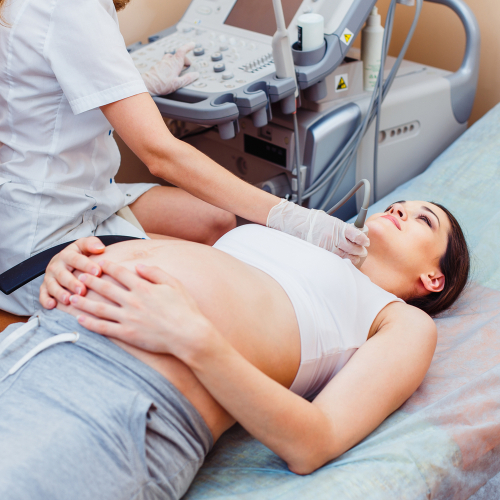
If you have Hashimoto’s thyroiditis and are planning a pregnancy, have your thyroid function checked beforehand and discuss your care with your doctor. Once pregnancy is confirmed, contact your endocrinologist or the doctor providing your maternity care promptly, as your levothyroxine requirements may increase.
Untreated or inadequately controlled hypothyroidism, particularly overt hypothyroidism, increases the risk of pregnancy complications and may adversely affect the baby’s development. Appropriate treatment and regular monitoring are therefore especially important. A diagnosis of Hashimoto’s thyroiditis does not mean that you are infertile or unable to have a healthy baby.
What are the risks of untreated hypothyroidism?
A persistent shortage of thyroid hormones may cause worsening weakness, menstrual disturbances, low mood, raised cholesterol and cardiovascular problems. These complications are primarily associated with inadequately controlled hypothyroidism, rather than a positive antibody result alone.
A very rare complication of severe hypothyroidism is myxoedema coma. Altered consciousness, a markedly low body temperature and slowed breathing require urgent medical attention.
Rapid enlargement of the neck, a new lump or increasing difficulty swallowing or breathing also require assessment. These changes should not automatically be attributed to Hashimoto’s thyroiditis. We explain the assessment of focal thyroid changes separately on our thyroid nodules page.
Hashimoto’s thyroiditis in Gdańsk – endocrinologist and thyroid ultrasound
At Tartaczna 2 Medical Centre, Dr Anna Florysiak, endocrinologist, provides assessment and treatment of thyroid conditions. Thyroid ultrasound is performed by Dr Ewa Kołyszko, radiologist.
Bring any previous TSH, free T4 and thyroid antibody results, ultrasound reports, and a list of your medicines and supplements with their doses. If you have not yet had tests, the appropriate investigations can be discussed during the consultation.
Doctor profiles: Dr Anna Florysiak, Dr Ewa Kołyszko.
Book an endocrinology consultation using the appointment calendar below or contact our reception team: +48 58 719 10 25, kontakt@tartaczna2.pl.

Thyroid ultrasound
Hypothyroidism in Pregnancy – Diagnosis and Treatment in Gdańsk
