
Tartaczna 2


 back
back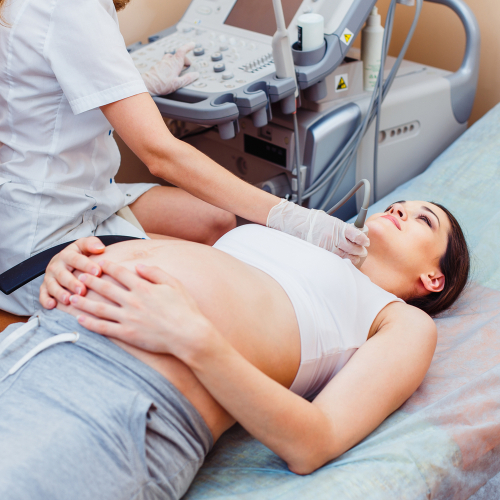
Hypothyroidism in Pregnancy – Diagnosis and Treatment in Gdańsk
Thyroid tests, treatment and endocrinology care during pregnancy
Hypothyroidism in pregnancy means that your body is not receiving enough thyroid hormone. These hormones are important for your health and your baby's development, particularly the nervous system. An underactive thyroid may be diagnosed before pregnancy or identified through tests during pregnancy.
At Tartaczna 2 Medical Centre in Gdańsk, we offer endocrinology consultations, laboratory tests and obstetric care for women with hypothyroidism during pregnancy.
What causes hypothyroidism in pregnancy?
A common cause is Hashimoto's thyroiditis, an autoimmune condition affecting the thyroid. Hypothyroidism can also occur following thyroid removal or previous radioactive iodine treatment. Thyroid hormone requirements increase during pregnancy, so your usual medicine dose may need to change.
Symptoms of hypothyroidism in pregnancy
Possible symptoms include:
- persistent tiredness, weakness and sleepiness,
- increased sensitivity to cold,
- constipation and dry skin,
- difficulty concentrating and low mood,
- more weight gain than expected for your stage of pregnancy.
Similar symptoms can occur during a healthy pregnancy. Hypothyroidism, particularly when mild, may also cause no symptoms. Diagnosis requires blood tests and a medical assessment.
TSH in pregnancy – reference ranges and diagnostic tests
The main blood test measures TSH, or thyroid-stimulating hormone. If hypothyroidism is suspected, your doctor also assesses free T4, or free thyroxine. Results need to be interpreted according to your stage of pregnancy and reference ranges appropriate for pregnancy and the laboratory method used.
A TSH result above 2.5 mIU/L does not automatically mean that you have hypothyroidism or need treatment. Discuss the result and the next steps with your doctor.
In primary hypothyroidism, the most common form, a distinction is made between:
- overt hypothyroidism – raised TSH and low free T4,
- subclinical hypothyroidism – raised TSH with normal free T4.
Thyroid peroxidase antibodies, known as TPO antibodies, can help identify an autoimmune cause. Having these antibodies with normal thyroid function does not mean that you have hypothyroidism. Your doctor decides which additional tests are appropriate.

How can hypothyroidism affect pregnancy and the baby?
Untreated or inadequately controlled hypothyroidism, particularly when severe, increases the risk of miscarriage, gestational hypertension, pre-eclampsia and premature birth. A shortage of thyroid hormone can also affect the development of the baby's nervous system. Hormones supplied by the mother are especially important in early pregnancy.
The risks depend on the severity of the condition and how well treatment controls it. An abnormal TSH result alone does not mean that the baby has been harmed. Appropriate treatment and regular monitoring help reduce the risk of complications.
.jpg)
Treatment for hypothyroidism in pregnancy
The main treatment is levothyroxine, which replaces the missing T4 hormone. It can be used during pregnancy. Your doctor selects the dose according to your blood test results, previous treatment and stage of pregnancy.
For mild abnormalities, including subclinical hypothyroidism, the treatment decision is individual. Your TSH and free T4 levels, the timing of diagnosis and whether the abnormalities persist all matter. Your doctor may recommend repeating the tests promptly before deciding on treatment.
If you already take treatment for hypothyroidism and find out that you are pregnant, contact your doctor promptly. You may need a dose adjustment and an earlier TSH check. Follow any plan previously agreed with your doctor, or contact them for advice on dosing. Do not stop taking your medicine because you are pregnant.
How to take levothyroxine during pregnancy
- Take your medicine regularly, following your doctor's advice and the instructions for your preparation.
- Tablets are usually taken with water on an empty stomach, 30–60 minutes before breakfast.
- Leave at least 4 hours between levothyroxine and iron or calcium supplements, including prenatal supplements containing these ingredients.
How often should TSH be checked during pregnancy?
For women being treated for hypothyroidism, TSH is usually checked approximately every 4 weeks during the first half of pregnancy and following dose changes. Your doctor also schedules testing later in pregnancy, including a check around week 30. Free T4 is assessed when needed.
Bring previous results, details of your stage of pregnancy and a list of medicines and supplements to your appointments. This helps your doctor assess how well treatment is working.
Is a thyroid ultrasound needed during pregnancy?
Ultrasound assesses the structure of the thyroid and can be performed during pregnancy. Your doctor may recommend it if the gland is enlarged, a lump can be felt or structural changes need further assessment. It is not needed for every woman with raised TSH and does not replace thyroid blood tests.
Hypothyroidism after childbirth and while breastfeeding
Levothyroxine requirements may decrease after delivery. For women treated before pregnancy, the doctor often recommends returning to the previous dose and checking TSH approximately 6 weeks later.
If treatment began during pregnancy, whether it needs to continue depends on the cause and severity of the thyroid problem. Some women need long-term treatment, while others may be able to reduce or stop their medicine under medical supervision. Levothyroxine can be used while breastfeeding.
Hypothyroidism in pregnancy – endocrinology care in Gdańsk
At Tartaczna 2 Medical Centre, care for women with hypothyroidism during pregnancy involves cooperation between the endocrinologist and the obstetrician:
- Dr Anna Florysiak – endocrinology consultations, assessment, treatment planning and thyroid function monitoring during pregnancy,
- Dr Marek Korożan – gynaecological and obstetric care, including pregnancy care for women with thyroid conditions,
- Dr Ewa Kołyszko – thyroid ultrasound when indicated.
You can have the prescribed laboratory tests at our sample collection point without an appointment. Please confirm current opening hours and any preparation needed with reception.
Book an endocrinology consultation using the appointment calendar below or contact our reception team: +48 58 719 10 25, kontakt@tartaczna2.pl. When booking, please let us know that you are pregnant.

Thyroid ultrasound

Hashimoto’s Thyroiditis in Gdańsk – Diagnosis and Treatment
