Tartaczna 2


 back
back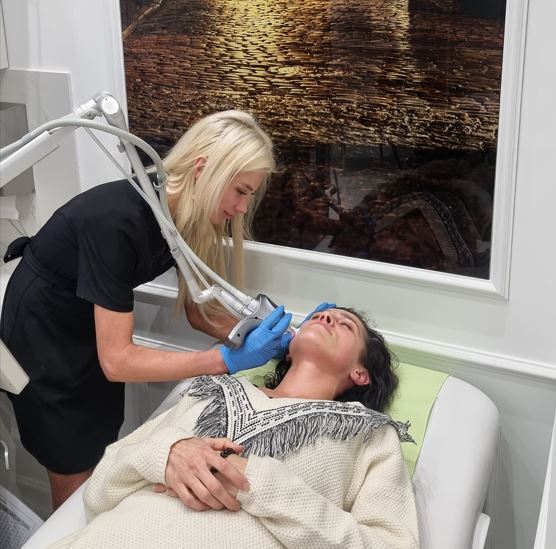
Laser scar treatment in Gdańsk
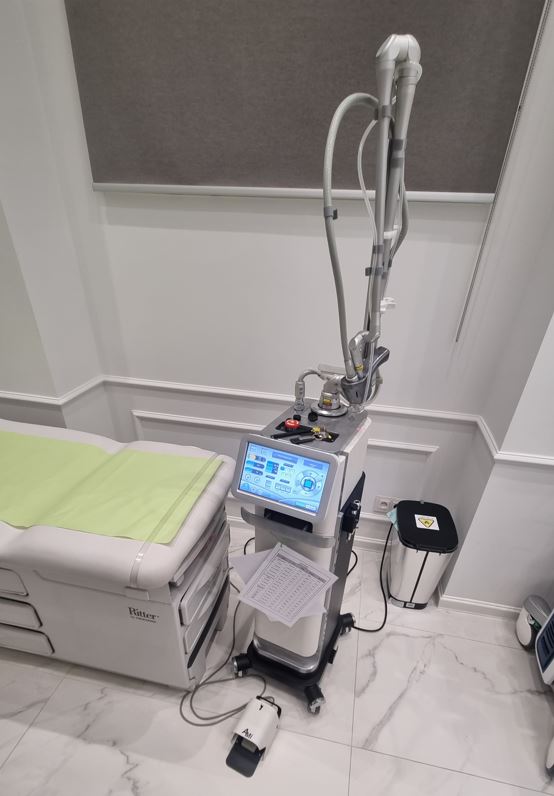
Fractional CO₂ laser treatment for scars
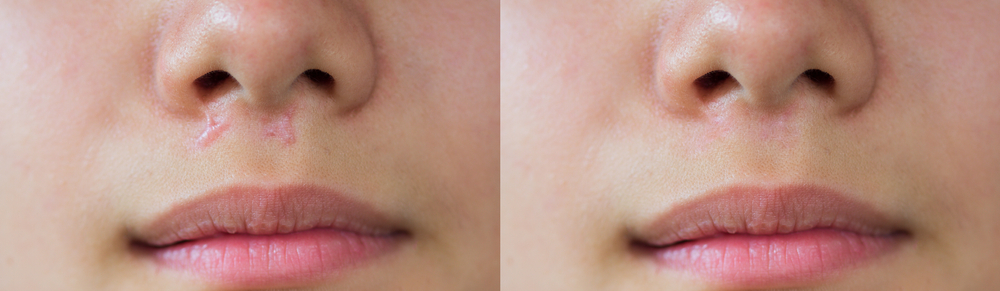
Laser scar treatment aims to make a scar less noticeable, improve skin texture and, in selected cases, reduce itching or tightness. At Tartaczna 2 Medical Centre in Gdańsk, the approach depends on the scar's type, location and age. The phrase “laser scar removal” does not mean that a scar can be completely erased.
Which scars may benefit?
A consultation can cover acne scars, surgical scars, injury scars and selected burn scars. An indentation, redness and a firm raised scar are different problems and may need different treatments.
Keloids need a separate treatment plan. Laser treatment is not a universal solution for every raised scar. Active acne should be addressed before planning treatment of the scars it leaves.

How does fractional CO₂ laser treatment work?
The laser creates small columns of controlled injury in the skin, with untreated areas between them. Healing and collagen remodelling may gradually improve the scar's surface and flexibility. Settings are chosen for your skin and treatment goals.
Deep atrophic scars may need a combination of approaches. Treatment does not replace the scar with completely normal skin in a single session.

Assessment and preparation
Your doctor assesses the scar, skin type, tendency to pigmentation changes and previous wound healing. Mention cold sores, long-term health conditions, isotretinoin and other medicines, and the skin products you use. Do not change prescribed treatment yourself.
A recent tan, an active infection or an open wound may mean postponing treatment. Elective cosmetic treatment is deferred during pregnancy. Sun protection is important before and after laser treatment.
The procedure and healing
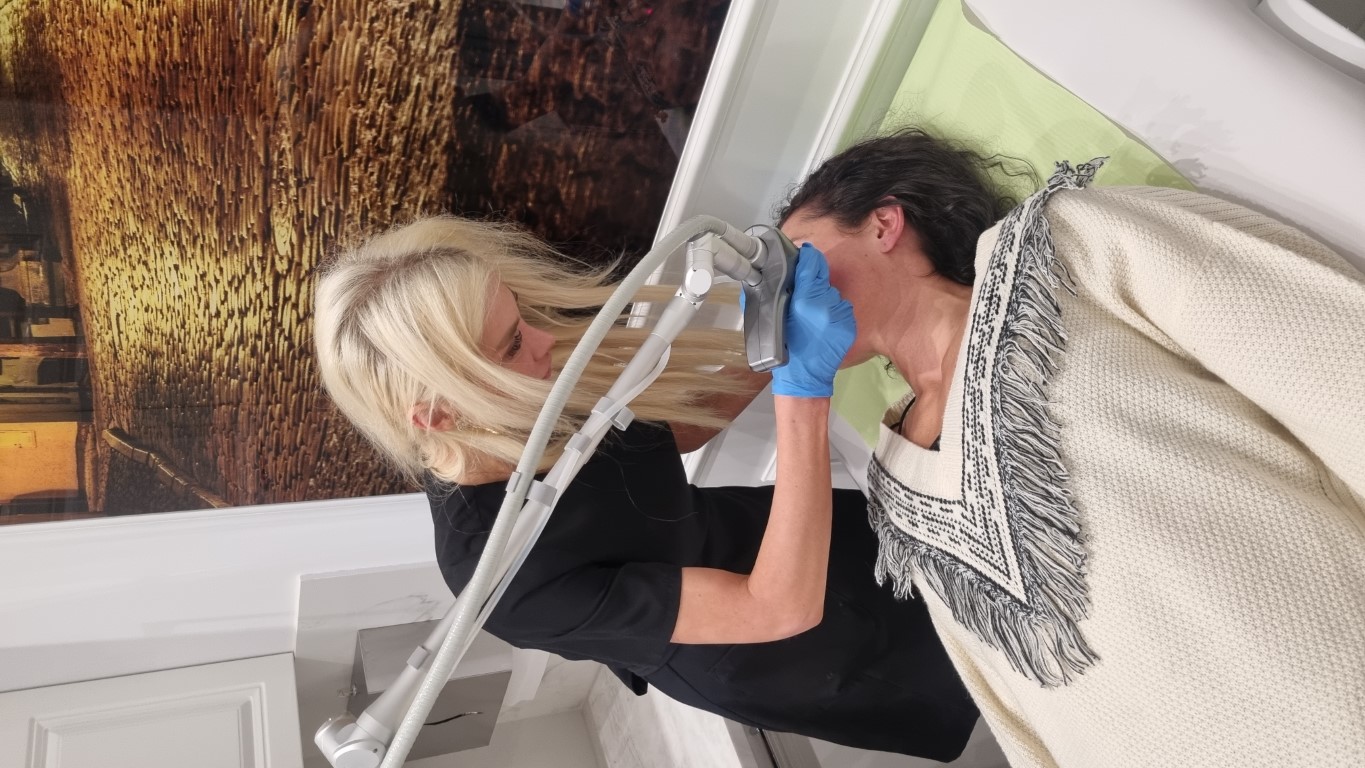
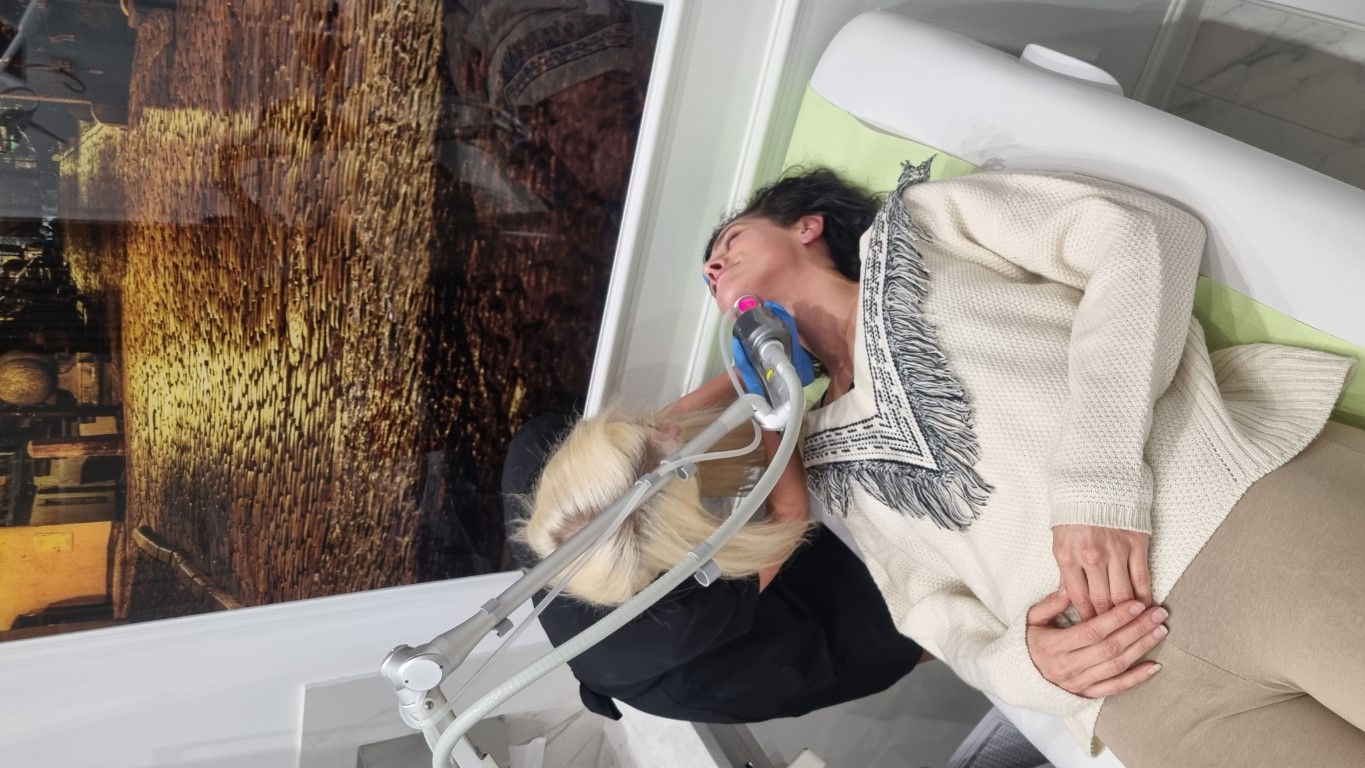
After preparing the skin and selecting appropriate anaesthesia, the doctor treats the scar with the laser. Stinging, redness, swelling, oozing and subsequent peeling can occur. Healing depends on treatment depth and location; redness may last longer than the initial surface injury.
- Follow the cleansing and skin care instructions provided.
- Do not pick scabs or peeling skin.
- Avoid tanning, saunas and swimming until your doctor advises otherwise.
- Use sun protection appropriate to the stage of healing.
How many sessions are needed?
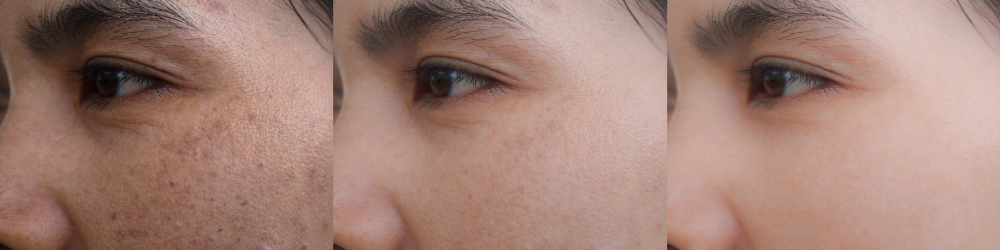
The number and spacing of sessions are individual. Tissue remodelling takes months, so results are assessed beyond the initial healing period. Improvement depends on the scar's structure and other factors; complete disappearance cannot be promised.
Complications include infection, cold sore reactivation, persistent redness, darker or lighter pigmentation, delayed healing and further scarring. Increasing pain, pus or fever requires medical advice.


Consultation and treatment in Gdańsk
At Tartaczna 2 Medical Centre, consultations and treatments are provided by Dr Natalia Spychalska and Dr Sara Strugała.
Book using the appointment calendar below or contact our reception team: +48 58 719 10 25, kontakt@tartaczna2.pl. Your treatment plan and cost are agreed after assessment.