Tartaczna 2


 back
back
Menopause Management
Questions and answers
Hot flushes, night sweats, sleep problems and vaginal dryness can make everyday life more difficult during the menopausal transition. You do not need to wait until your periods stop to discuss your symptoms and options for relief.
At Tartaczna 2 Medical Centre in Gdańsk, menopause consultations are provided by Dr Marek Korożan and Dr Volha Khitrun. We tailor care to your symptoms, health and preferences, considering both hormonal and non-hormonal treatments.
What are menopause and perimenopause?
Menopause is the final menstrual period resulting from the decline in ovarian function. It is identified retrospectively after 12 months without a period, provided there is no other explanation for the absence of bleeding. Hormonal treatments and certain procedures can make this assessment more difficult.
Menopause most commonly occurs between the ages of 45 and 55. It is preceded by a transition known as perimenopause, during which ovarian function changes, periods may become irregular and symptoms associated with fluctuating hormone levels can develop.
This does not mean that the body suddenly stops producing all hormones. Menopause is a natural stage of life, and the severity of symptoms varies from person to person.
Menopause symptoms – what changes might you notice?
Common symptoms include:
- hot flushes and night sweats,
- difficulty falling asleep or frequent waking,
- irregular periods during the transition,
- irritability, mood changes or low mood,
- difficulty concentrating and a feeling of “brain fog”,
- vaginal dryness, burning and pain during sex,
- changes in sexual desire,
- urinary symptoms.
Not everyone experiences all these symptoms. For some, they are mild; for others, they affect sleep, work and relationships. Similar symptoms can also have other causes, so they should not automatically be attributed to menopause.
What causes hot flushes and night sweats?
Hormonal changes affect the brain's temperature-regulating centre. This can trigger a sudden sensation of heat, skin flushing and sweating. Symptoms at night often interrupt sleep and contribute to daytime tiredness.
During your consultation, explain how often hot flushes occur, whether they wake you at night and how they affect your daily life. This helps guide treatment and assess its effectiveness over time.
How is menopause diagnosed – are hormone tests needed?
In otherwise healthy women over 45 with typical symptoms, diagnosis is usually based on medical history and changes in menstrual patterns. A routine, extensive hormone panel is not necessary for every patient.
Tests may be appropriate when symptoms develop earlier, the presentation is unusual or another condition is suspected. The doctor will select investigations individually, for example to assess thyroid function or investigate anaemia.
Symptoms before the age of 45 warrant assessment for early menopause, while symptoms before 40 require consideration of premature ovarian insufficiency.
Menopausal hormone therapy – MHT
Menopausal hormone therapy is an effective treatment for hot flushes and night sweats. In appropriately selected patients, it may also improve sleep disrupted by these symptoms and help reduce bone loss.
Systemic treatment can be given as tablets, patches, gel or a skin spray. The choice of preparation, route and schedule depends on factors including your symptoms, menstrual pattern, medical history and previous operations.
- If you have a womb, systemic oestrogen usually needs to be combined with a progestogen to protect the endometrium, the lining of the womb.
- After a total hysterectomy, oestrogen alone can usually be prescribed, although some circumstances require a different approach.
Treatment relieves symptoms associated with hormonal changes but does not restore ovarian function or fertility.
Is menopausal hormone therapy safe?
The benefits and risks depend on your age, time since menopause, type of treatment and individual medical history. Relevant factors include blood clots, hormone-dependent cancers, liver disease and unexplained vaginal bleeding.
Oral hormone therapy can increase the risk of blood clots; transdermal treatment has a more favourable profile in this respect. Combined oestrogen–progestogen therapy may increase breast cancer risk, with the level of risk influenced by factors including the duration of treatment.
Possible side effects include breast tenderness, spotting and headaches. At follow-up appointments, we assess effectiveness, tolerability and whether continuing treatment remains appropriate. The dose and duration are individualised.
Newer non-hormonal treatments for hot flushes and night sweats
Non-hormonal medicines that act on the brain's temperature-regulating mechanisms are also available. Newer treatments target neurokinin signalling and can reduce the frequency and severity of moderate to severe hot flushes and night sweats associated with menopause.
These treatments may be considered for selected patients who prefer not to use hormone therapy or cannot take it. They do not replace treatment for every menopausal symptom, such as vaginal dryness, or measures to prevent osteoporosis.
Non-hormonal does not mean free from contraindications or side effects. Before prescribing, the doctor assesses existing health conditions and potential interactions with other medicines. Depending on the treatment selected, liver function tests are required before starting and at regular intervals during treatment.
For patients with cancer or a history of cancer treatment, the choice of therapy requires particular care and sometimes discussion with an oncologist. A non-hormonal medicine is not automatically suitable for everyone who cannot use MHT.
Vaginal dryness and pain during sex after menopause
Lower oestrogen levels can cause dryness, burning, irritation and pain during sex. These symptoms are part of the genitourinary syndrome of menopause and may persist after hot flushes have settled.
Treatment may include vaginal moisturisers, lubricants and local hormonal treatment following assessment. Low-dose vaginal oestrogen acts mainly locally and is considered separately from systemic hormone therapy.
It is important to establish the cause before treatment, as infections and vulval skin conditions can produce similar symptoms.
Sleep, mood and everyday habits
Regular physical activity, strength training, a balanced diet and avoiding smoking support health during menopause. A cooler bedroom and reducing individual symptom triggers may help with night sweats.
Menopause-specific cognitive behavioural therapy can help with managing hot flushes, sleep difficulties and their emotional impact. Persistent low mood or symptoms of depression need separate assessment.
Supplements and herbal products are not equivalent to medicines with established effectiveness. They can also cause side effects and interactions. Tell your doctor about all the products you use.
Do I still need contraception during perimenopause?
Ovulation can still occur during perimenopause, even when periods are irregular. Menopausal hormone therapy is not contraception. If you do not want to become pregnant, discuss a suitable contraceptive method and when it can be stopped with your doctor.
Bleeding after menopause – when should you see a doctor?
Any vaginal bleeding after 12 months without a natural period requires gynaecological assessment, even if it is light or happens only once. It does not necessarily mean a serious condition, but it should not be ignored.
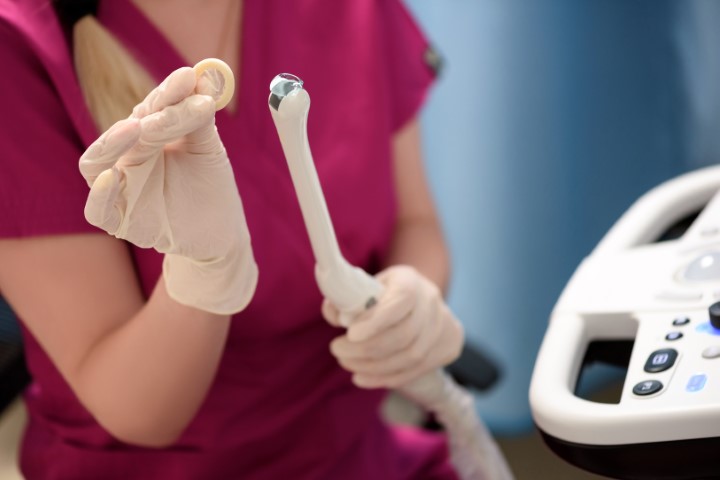
Bleeding patterns during hormone therapy depend on the treatment schedule. New, persistent or heavy bleeding should be reported to your doctor. Depending on the circumstances, assessment may include a transvaginal ultrasound and further investigations, such as an endometrial biopsy.
How should I prepare for a menopause consultation?
- Note the date of your last period and any changes in your menstrual pattern.
- List your symptoms and how they affect sleep and everyday life.
- Bring details of medicines, supplements and treatments you have tried.
- Bring any available results from gynaecological examinations and breast investigations.
- Tell the doctor about previous operations, blood clots, liver disease and your personal and family history of cancer.
You do not need to arrange an extensive set of tests yourself before the first appointment. We will recommend any investigations based on your medical history and examination.
Menopause treatment in Gdańsk – book a consultation
At Tartaczna 2 Medical Centre, Dr Marek Korożan and Dr Volha Khitrun provide consultations covering menopause, menopausal hormone therapy and non-hormonal treatment options.
Our clinic is located at 2 Tartaczna Street in Gdańsk city centre, in the Śródmieście district. During your appointment, we will discuss the available options and agree a care plan with you.
Book using the appointment calendar below or contact our reception team: +48 58 719 10 25, kontakt@tartaczna2.pl.

Gynecological appointment and consultation
Gynecology and Obstetrics