Tartaczna 2


 back
back
Tropocollagen treatment in aesthetic gynaecology in Gdańsk
Tropocollagen injections – consultation and individual treatment planning
Tropocollagen treatment in aesthetic gynaecology involves local injections of a collagen preparation into selected tissues. It may be considered for some women experiencing dryness, intimate discomfort or symptoms associated with scars. A gynaecological examination, assessment of the cause of symptoms and discussion of available treatment options are required first.
At Tartaczna 2 Medical Centre in Gdańsk, consultations and tropocollagen procedures are provided by gynaecologist Dr Volha Khitrun.
What is tropocollagen?
Tropocollagen is a collagen molecule made up of three protein chains arranged in a triple helix. These molecules can assemble into larger structures that form part of connective tissue. Collagen contributes to the mechanical strength of the skin and supporting tissues.
Injectable collagen preparations differ in their composition and intended use. Your doctor selects the product and method of administration according to the problem being assessed and the product's instructions for use. Some preparations contain animal-derived collagen, which is relevant when assessing allergies.
When might tropocollagen be considered in gynaecology?
During a consultation, you can discuss whether a collagen preparation may be appropriate for:
- dryness and discomfort affecting the vulva or vagina, particularly around menopause,
- reduced elasticity of intimate tissues,
- selected symptoms associated with an episiotomy scar or a skin scar following a caesarean section.
These symptoms do not automatically mean that injections are appropriate. Pain during intercourse, burning or itching may also be caused by infection, vulval skin conditions or excessive pelvic floor muscle tension. The cause of your symptoms needs to be identified first.
For menopause-related dryness, your doctor will also discuss treatments with stronger evidence, including vaginal moisturisers, lubricants and, when suitable, local oestrogen therapy. Scar-related symptoms may benefit from physiotherapy or surgical revision.

Can tropocollagen help with urinary incontinence?
Preliminary reports describe tropocollagen injections in women with urinary incontinence. However, these involve small patient groups and do not establish the method as a standard treatment or demonstrate that it strengthens the pelvic floor muscles.
Urine leakage when coughing, sneezing or exercising calls for a gynaecological or urogynaecological assessment. Treatment depends on the type and severity of incontinence. Supervised pelvic floor muscle training is an important part of managing stress urinary incontinence; other options, including surgery, may be considered in selected cases.
Tropocollagen – possible benefits and number of treatments
Small clinical studies suggest that collagen injections may reduce some menopause-related symptoms, such as dryness and pain during intercourse. These findings are preliminary and need confirmation in larger studies. Improvement cannot be guaranteed for every patient, and the duration of any benefit remains uncertain.
The number of injections and the intervals between them depend on the preparation, treatment site, goals and your response. There is no single schedule suitable for all gynaecological conditions. Your doctor will discuss the plan and how its effects will be assessed.
If improvement occurs, it may develop gradually. Swelling immediately after an injection does not indicate a lasting treatment effect. A lack of benefit or worsening symptoms should prompt reassessment before treatment continues.
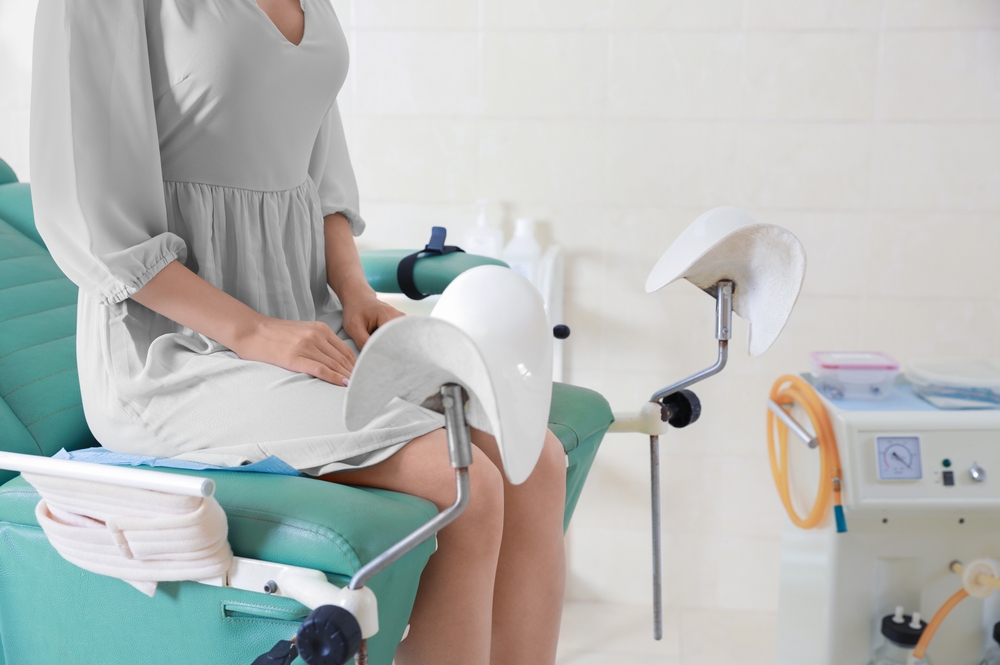
What happens during a tropocollagen procedure?
After assessing your suitability, the doctor identifies the treatment area, cleans it and administers a series of small injections. The injection sites and depth depend on the preparation and the agreed treatment goal.
The procedure usually takes around 30 minutes, depending on its extent. Local anaesthesia may be used, for example a topical anaesthetic applied to the treatment area. Brief stinging, burning or discomfort may still occur during the injections.
How should you prepare for treatment?
Bring information about your medical conditions, medicines, allergies and any previous procedures in the proposed treatment area. Tell your doctor if you are pregnant, breastfeeding or taking anticoagulant or antiplatelet medicines. Do not stop these medicines on your own.
Report any unusual discharge, itching, pain, bleeding or suspected infection before the procedure. Your doctor will decide whether investigations or treatment are needed first. You will receive specific preparation instructions during your consultation.
Contraindications and reasons to postpone treatment
The procedure should not be performed if you have a known allergy to an ingredient in the selected preparation or an active infection at the treatment site. Unexplained bleeding or concerning changes in the proposed treatment area also require assessment before injections are considered.
Elective aesthetic procedures are generally postponed during pregnancy and breastfeeding because safety data are limited. Autoimmune conditions, bleeding disorders and immunosuppressive treatment require an individual assessment. An autoimmune diagnosis alone does not determine suitability.
Aftercare and possible side effects
Tenderness, redness, swelling, minor bruising or pinpoint bleeding may occur after injections. Infection and allergic reactions are also possible. The risks depend partly on the preparation, injection site and your health.
- Keep the treated area clean according to the instructions you receive.
- Avoid rubbing or pressing on injection sites.
- Resume intercourse, strenuous exercise, swimming and sauna use when advised by your doctor and once local discomfort has settled.
- Attend your follow-up appointment to discuss your response and whether further treatment is appropriate.
Contact your doctor if you develop increasing pain, a fever, pus or worsening swelling.
Tropocollagen in Gdańsk – consultations with Dr Volha Khitrun
Tropocollagen procedures at Tartaczna 2 Medical Centre are performed by Dr Volha Khitrun. During your consultation, she assesses your symptoms, explains the potential benefits and limitations and discusses an appropriate care plan.
Book using the appointment calendar below or contact our reception team: +48 58 719 10 25, kontakt@tartaczna2.pl.

Labiaplasty in Gdansk – Labia Reduction Surgery

Postpartum scar treatment and revision in Gdańsk