Tartaczna 2


 back
back
Postpartum scar treatment and revision in Gdańsk
Care for episiotomy, perineal tear and C-section scars
A scar following an episiotomy, a perineal tear or a caesarean section may cause pain, a pulling sensation or discomfort during everyday activities or sexual intercourse. Postpartum scar treatment is tailored to the cause of your symptoms, the scar's location and how it has healed. At Tartaczna 2 Medical Centre in Gdańsk, consultations and postpartum scar revision procedures are provided by gynaecologists Dr Volha Khitrun and Dr Marek Korożan.
What is a scar, and how does it form?
A scar is connective tissue that forms as the body repairs an injury, such as a surgical incision or a tear during childbirth. Collagen, a protein produced by cells involved in wound healing, plays an important role in this process.
At first, a scar may be red, firm and sensitive to touch. Over time, its collagen fibres are remodelled, and the scar usually becomes paler and softer. Scar maturation takes many months, sometimes up to around two years. Not every scar needs a procedure.
When should you seek advice about a postpartum scar?
Consider a gynaecological consultation if the following symptoms persist after the wound has healed:
- pain, burning or sensitivity around the scar,
- a pulling sensation or restricted tissue movement,
- pain during intercourse, particularly at the site of a perineal scar,
- discomfort when sitting, exercising or wearing underwear,
- noticeable thickening, indentation or distortion of the scar,
- concerns about the scar's appearance that affect your wellbeing.
Pain may also be associated with excessive pelvic floor muscle tension, tissue dryness, granulation tissue or inflammation. An examination helps establish whether the scar itself needs treatment or whether other conditions are contributing.
Increasing pain, a fever, pus or a wound that reopens needs prompt medical assessment. Do not wait for a routine appointment about the scar's appearance if you develop these symptoms.
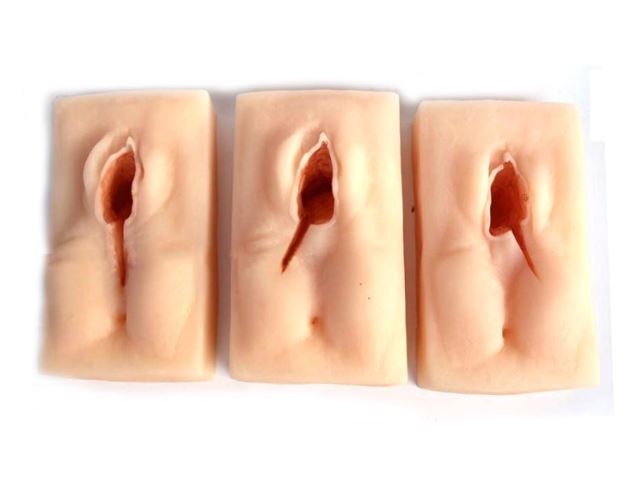
Scars after an episiotomy or perineal tear
A perineal scar may be tender, less flexible or cause local pulling around the vaginal opening. During your consultation, the doctor assesses the scar, any painful areas and the surrounding tissue.
Treatment may include pelvic health physiotherapy, appropriate care and treatment of associated problems. If there is persistent distortion or a painful scar contracture, your doctor may suggest surgical scar revision. Pain during intercourse alone does not automatically mean that surgery is needed.
Caesarean section scars
An abdominal scar following a caesarean section may become thickened, indented or sensitive. Assessment includes its appearance, tenderness and movement in relation to the surrounding tissue. Depending on the findings, non-surgical treatment or surgical revision may be considered.
Treatment of the skin scar addresses the abdominal wall. A scar in the wall of the uterus, including a possible caesarean scar defect, requires a separate gynaecological assessment and appropriate investigations.
Non-surgical treatment for postpartum scars
Conservative management may include:
- Pelvic health physiotherapy – assessment of muscle tension, manual therapy and individually selected exercises.
- Scar mobilisation – gentle manual techniques once the wound has healed completely, following guidance from a doctor or physiotherapist.
- Skin scar care – silicone gels or sheets may be suitable for selected C-section scars once the wound has closed. Do not apply products intended for skin scars inside the vagina without medical advice.
- Treatment of other causes of discomfort – such as dryness, inflammation or excess granulation tissue.
For selected skin scars, a doctor may consider laser treatment to improve their texture and appearance. The suitability of laser treatment in the perineal area requires a separate assessment.
Evidence supporting hyaluronic acid injections, platelet-rich plasma (PRP) and mesotherapy specifically for postpartum scars is limited. Their potential use requires a discussion of the treatment aims, risks and alternatives. Platelet-rich plasma is not a scar filler.
What does postpartum scar revision involve?
Scar revision involves surgically correcting tissue that has healed in an unsatisfactory way. It may include removing part of the scar, releasing a contracture and closing the tissue with stitches. The aim is to improve comfort, tissue mobility or the appearance of the treated area.
Your doctor determines the extent of the procedure and the type of anaesthesia. Minor corrections may be performed under local anaesthesia. Surgery creates a new scar, which also needs to heal and mature. Complete pain relief or an invisible scar cannot be guaranteed.
When can postpartum scar treatment begin?
The timing depends on wound healing, the severity of your symptoms and the proposed treatment. Scar care and physiotherapy are adapted to your stage of recovery. Elective surgical revision is considered after assessing scar maturation and the response to previous treatment. Persistent pain or healing problems are reasons to seek advice earlier.
Bring your birth or operation records and a list of your medicines to the consultation. Tell your doctor if you are breastfeeding, planning another pregnancy or have previously had problems with wound healing. Do not stop anticoagulant or antiplatelet medicines on your own.

Recovery after scar revision
Temporary tenderness, swelling or bruising may occur after the procedure. Possible complications include bleeding, infection, delayed healing, changes in sensation, persistent pain or further abnormal scarring.
You will receive instructions on hygiene, dressings and follow-up appointments. Returning to intercourse, sport and activities that cause friction or stretching around the treated area depends on wound healing and your doctor's assessment. The final result is assessed after the new scar has matured, which takes several months.
Postpartum scar treatment in Gdańsk – doctors and appointments
At Tartaczna 2 Medical Centre, consultations and postpartum scar revision procedures are provided by gynaecologists:
Book using the appointment calendar below or contact our reception team: +48 58 719 10 25, kontakt@tartaczna2.pl. When booking, please specify whether you would like advice about a perineal scar or a C-section scar.

Rejuvenation of intimate areas - Desirial

Labiaplasty in Gdansk – Labia Reduction Surgery