Tartaczna 2


 back
back
Thyroid Biopsy
Fine-Needle Aspiration Biopsy (FNA) of the Thyroid – Gdańsk
A thyroid fine-needle aspiration biopsy (FNA) involves collecting cells from a selected thyroid nodule for cytological examination. Ultrasound guidance helps the doctor position the needle accurately within the nodule. At Tartaczna 2 Medical Centre in Gdańsk, thyroid biopsies are performed by Dr Artur Antolak and Dr Kamil Drucis.
Not every thyroid nodule needs a biopsy. The decision is based on a medical assessment and ultrasound findings, together with relevant blood tests and previous records. Most thyroid nodules are benign.
When is a thyroid biopsy recommended?
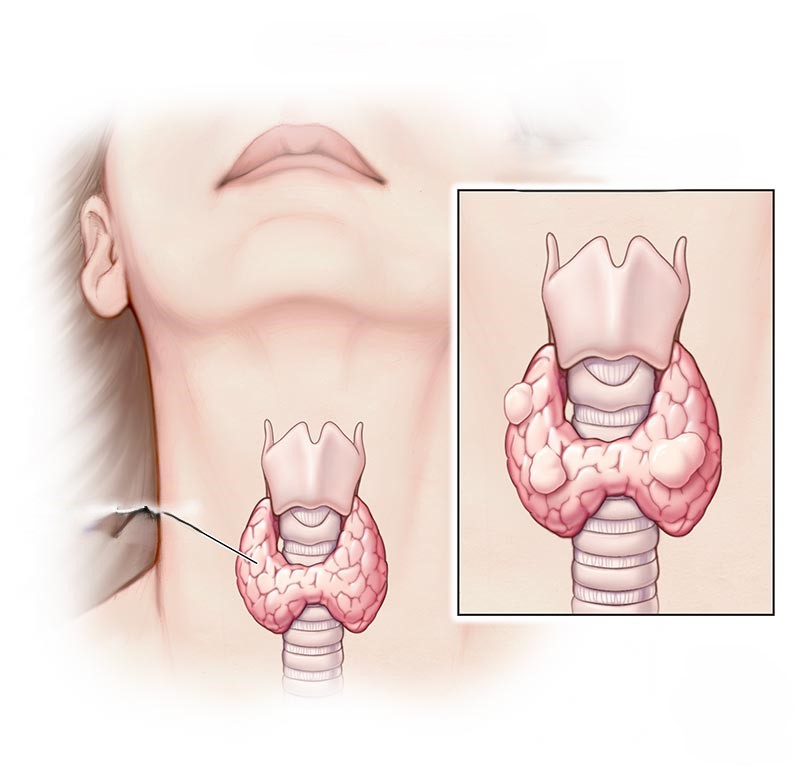
The doctor considers the nodule's size, ultrasound features, risk category, such as EU-TIRADS, and your clinical circumstances. Suspicious lymph nodes, previous radiation treatment to the neck or a family history of certain thyroid cancers may also be relevant.
A biopsy may also be considered when a previous sample was non-diagnostic or the result does not match the ultrasound findings. An enlarged thyroid or a diagnosis of Hashimoto's thyroiditis alone does not mean a biopsy is necessary. Hashimoto's thyroiditis is usually diagnosed through clinical assessment, blood tests and, when needed, ultrasound.
How to prepare for a thyroid biopsy
You do not usually need to fast before a fine-needle aspiration biopsy. Bring your latest thyroid ultrasound report and any available images, previous biopsy results and a list of your medicines. Follow any individual instructions you have received before the procedure.
- Tell the doctor about anticoagulant and antiplatelet medicines, bleeding disorders and any previous problems with bleeding.
- Do not stop or change medicines on your own. Any changes must be agreed with your doctor.
- Mention allergies, a skin infection at the planned needle insertion site and other relevant medical conditions.
A bleeding disorder or an infection at the needle insertion site may require further assessment or postponement. Taking anticoagulant medicines does not automatically mean that a biopsy cannot be performed.

What happens during a thyroid FNA biopsy?
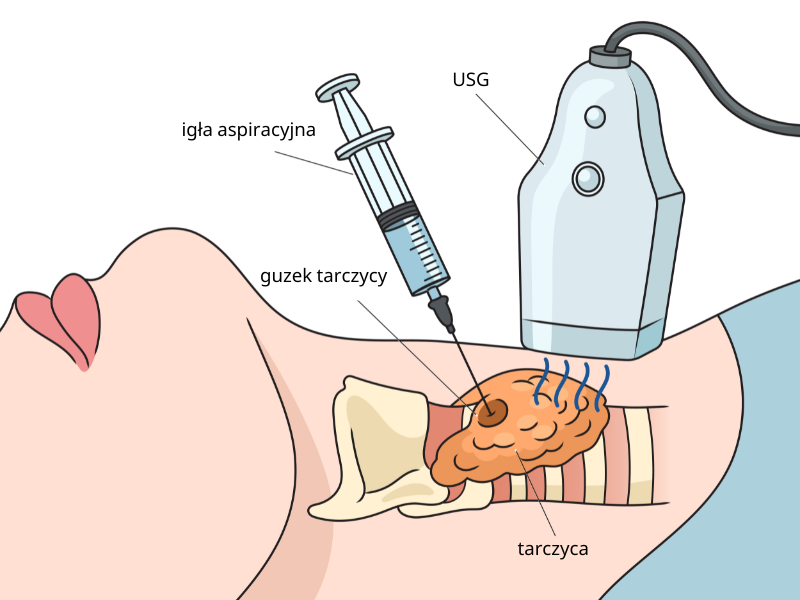
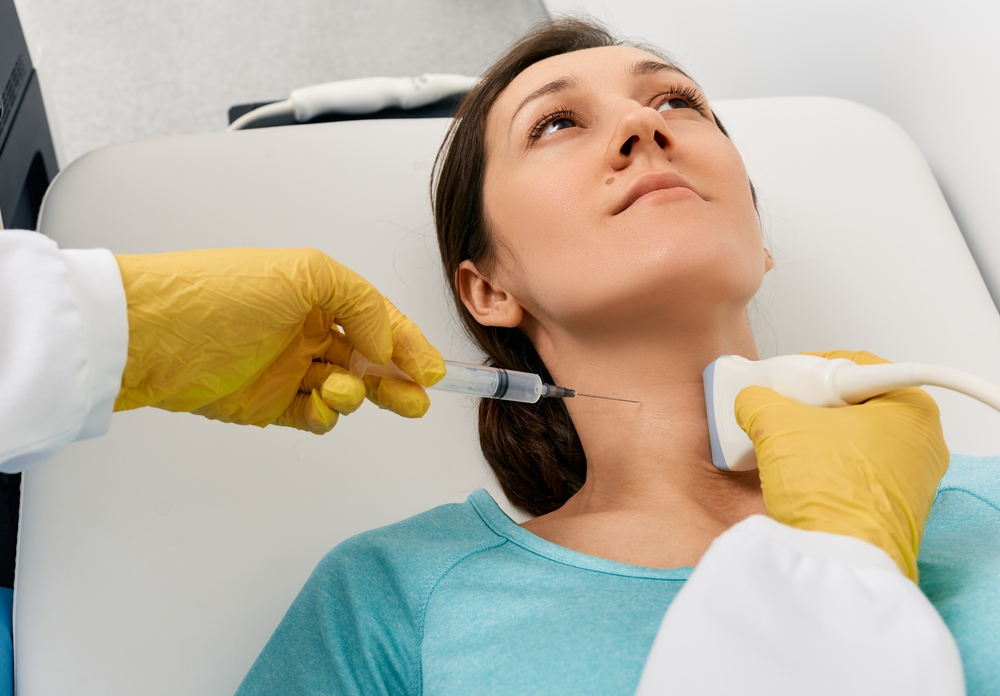
You lie on your back with your head positioned appropriately. The doctor examines your thyroid with ultrasound, cleans the skin and inserts a fine needle into the selected nodule. Several needle passes may be needed. While the needle is in place, remain still and avoid talking or swallowing as instructed by the doctor.
After the sample is collected, pressure is applied to the needle insertion site and a dressing is used if needed. The procedure is performed on an outpatient basis, without a hospital stay. The appointment length depends partly on the number of nodules being assessed.
Does a thyroid biopsy hurt?
You may feel a brief sting, pressure or discomfort when the needle is inserted. The procedure is usually well tolerated, but pain varies between individuals. The doctor will decide whether local anaesthesia is needed and which method to use. Mild tenderness and bruising may occur afterwards.
Aftercare following a thyroid biopsy
After a short period of observation, you can usually return to everyday activities. Follow the instructions you receive about pressure at the insertion site, dressings and avoiding strenuous activity immediately after the procedure.
Possible complications include bleeding or a haematoma, and less commonly infection. Increasing neck swelling, difficulty breathing or a sudden deterioration in how you feel requires immediate medical attention. Contact your doctor if you experience persistent bleeding, worsening pain or a fever.
Thyroid biopsy results – cytological examination
A pathologist examines the cells collected during FNA under a microscope. This is a cytological examination. Histopathological examination involves a tissue sample or a lesion removed during surgery and also allows assessment of its structure.
A biopsy helps determine the nature of a nodule and plan further care, but it does not always provide a definite answer. The sample may be insufficient, and some conditions cannot be conclusively distinguished by examining cells alone. The result must be interpreted alongside the ultrasound findings and your clinical circumstances.
What do the Bethesda categories mean?
Thyroid FNA results are commonly reported using the six categories of the Bethesda System:
- Bethesda I – non-diagnostic. The sample does not allow a reliable assessment. Another ultrasound-guided biopsy is usually needed.
- Bethesda II – benign. Monitoring is usually recommended. The timing of follow-up and any repeat biopsy depends on the nodule's features and changes over time.
- Bethesda III – atypia of undetermined significance. This is not a diagnosis of cancer. The doctor may recommend another biopsy, monitoring or further assessment; molecular testing or surgery may be considered in selected cases.
- Bethesda IV – follicular neoplasm. Older reports may use the term “suspicious for a follicular neoplasm”. This category does not establish malignancy. Distinguishing a follicular adenoma from a follicular carcinoma often requires histopathological examination after surgery.
- Bethesda V – suspicious for malignancy. This requires timely specialist assessment and a plan for further management, most often surgery.
- Bethesda VI – malignant. The result indicates a malignant tumour. The next steps depend on its type, size and stage, as well as your overall health.
For selected very small, low-risk papillary thyroid cancers, a specialist centre may offer active surveillance instead of immediate surgery. This decision requires an individual, comprehensive assessment. The Bethesda category alone does not replace a medical consultation.
How long does it take to receive thyroid biopsy results?
The estimated waiting time for cytology results at our centre is approximately 30 days. Additional tests or a specialist review of the sample may extend this timeframe. Once you receive your result, arrange to discuss it with the doctor managing your assessment.
If you need an oncology consultation about further treatment, Dr Magdalena Korożan, a specialist in clinical oncology and radiation oncology, also sees patients at our centre.

Thyroid biopsy in Gdańsk – doctor and appointments
Ultrasound-guided thyroid fine-needle aspiration biopsies at Tartaczna 2 Medical Centre are performed by Dr Artur Antolak, a specialist in pathology, and Dr Kamil Drucis, a specialist in surgical oncology.
Book an appointment using the calendar below or contact our reception team. Call +48 58 719 10 25 or email kontakt@tartaczna2.pl. When booking, please specify that you need a thyroid biopsy.